
The Foundation: Shifting Mindset and Strategic Planning for a Harmonious Home
The journey to a cleaner home with kids doesn’t begin with a mop and bucket; it starts with a fundamental shift in mindset and a commitment to strategic planning. For many mothers, the pursuit of a perfectly pristine home can become an additional source of stress, leading to burnout and frustration. At Veralyn Media, we understand that your well-being is paramount. Embracing a realistic perspective is the first step towards sustainable cleanliness.
Embrace Progress, Not Perfection: It’s crucial to acknowledge that a home with children will rarely, if ever, be spotless. Toys will spill, crumbs will appear, and creative endeavors will inevitably leave their mark. Instead of striving for an unattainable ideal, aim for a consistently tidy and functional space. This mental shift can dramatically reduce stress, allowing you to appreciate the vibrant life unfolding around you rather than constantly lamenting the mess.
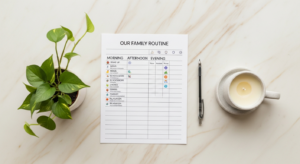
Develop a Family Cleaning Schedule: Structure is your best friend when it comes to managing household chores. A visual, easy-to-understand schedule can empower every family member to contribute, fostering a sense of shared responsibility. For younger children, pictures work wonderfully. For older kids and adults, a simple checklist or calendar can be effective. Consider daily, weekly, and monthly tasks:
- Daily Quick Tidy: Focus on high-traffic areas like the kitchen and living room. This might involve wiping down counters, a quick sweep, and a 10-minute “power pick-up” before bedtime.
- Weekly Deep Clean: Dedicate a specific block of time each week for more thorough cleaning, such as vacuuming all floors, cleaning bathrooms, and doing laundry.
- Monthly Maintenance: These are less frequent tasks like cleaning baseboards, washing windows, or decluttering a specific zone.
Involving your children in the creation of this schedule can increase their buy-in and motivation. When discussing your family’s well-being and the importance of a calm environment, remember that this directly ties into broader Womens Health Tips Every Woman Should Know. A serene home environment significantly reduces mental load and stress, which are critical factors in maintaining overall physical and psychological health.
Decluttering as a Continuous Process: Clutter is the enemy of a clean home. It not only makes cleaning harder but also contributes to mental overwhelm. Instead of viewing decluttering as a massive, infrequent overhaul, integrate it as a continuous, manageable habit. Implement the “one in, one out” rule for toys, clothes, and other items. Regularly go through drawers and closets with your children, donating or discarding items they no longer use or have outgrown. This teaches them valuable lessons about minimalism and generosity.
Designate specific homes for everything. When every item has a place, putting things away becomes a much simpler task. This consistent decluttering habit prevents accumulation and ensures that when it’s time to clean, you’re not wading through mountains of forgotten items. By establishing these foundational principles – a realistic mindset, a structured schedule, and a continuous decluttering practice – you lay the groundwork for a cleaner, more harmonious home environment that supports the well-being of your entire family, well into 2026 and beyond.
Involving the Little Helpers: Cultivating Responsibility and Teamwork
One of the most effective, yet often underutilized, strategies for maintaining a clean home with kids is to involve them directly in the cleaning process. This isn’t just about sharing the workload; it’s about fostering responsibility, teaching valuable life skills, and instilling a sense of contribution and teamwork within the family unit. The benefits extend far beyond a tidy house, impacting a child’s development and their understanding of shared community responsibilities.
Why Involve Children in Chores?
- Life Skills Development: Learning to clean and organize are fundamental life skills that children will carry into adulthood.
- Sense of Contribution: Children feel valued and important when they contribute to the family’s well-being.
- Responsibility and Accountability: Chores teach children about duty and the consequences of their actions (e.g., if you don’t put away toys, the room stays messy).
- Teamwork: Working together on household tasks strengthens family bonds and teaches cooperation.
- Reduced Parental Load: Even small contributions from children can significantly lighten the burden on parents, especially mothers who often carry the majority of household management. This reduction in mental and physical load is a crucial component of Fertility Health Tips Women Trying Conceive, as chronic stress can impact reproductive health.
Age-Appropriate Chores: Tailoring Tasks to Developmental Stages:
- Toddlers (1-3 years):
- Put toys in a basket or bin.
- Help put dirty clothes in the hamper.
- Wipe up small spills with a cloth.
- Help carry lightweight items.
- Preschoolers (3-5 years):
- Make their bed (even if imperfectly).
- Put away clean clothes in drawers.
- Help set and clear the table.
- Water plants.
- Wipe down low surfaces.
- Sort laundry by color.
- School-Aged Children (6-12 years):
- Vacuum or sweep designated areas.
- Clean their own rooms.
- Help with meal prep (washing vegetables).
- Load and unload the dishwasher.
- Take out the trash.
- Clean bathroom sinks and mirrors.
- Teenagers (13+ years):
- Do their own laundry.
- Prepare simple meals.
- Clean the bathroom or kitchen thoroughly.
- Perform yard work.
- Help with grocery shopping.
- Assist younger siblings with their chores.
Tips for Making Chores Fun and Engaging:
- Gamification: Turn cleaning into a game. Set a timer to see who can put away the most toys, or play music and have a “dance while you tidy” party.
- Positive Reinforcement: Acknowledge and praise effort, not just perfection. A simple “Thank you for helping!” or “I appreciate your hard work” goes a long way. Avoid monetary rewards for basic household contributions, as this can undermine intrinsic motivation, but occasional treats or privileges for extra effort can be effective.
- Lead by Example: Children are keen observers. When they see you actively participating in household chores with a positive attitude, they are more likely to emulate that behavior.
- Provide the Right Tools: Give children their own kid-sized cleaning tools, such as a small broom, dustpan, or spray bottle (filled with water or a safe, diluted cleaner). This makes them feel like capable contributors.
- Be Patient and Consistent: It takes time for children to learn and adopt routines. There will be resistance and imperfect results. Consistency and gentle guidance are key. Avoid re-doing their work immediately, as this can be discouraging. Instead, offer constructive feedback or demonstrate for next time.
By involving your children in the upkeep of your home, you’re not just getting an extra pair of hands; you’re investing in their development and creating a more harmonious, collaborative family environment. This shared responsibility can significantly reduce the mental load on parents, allowing more time and energy for personal well-being, which is a core tenet of Womens Health Tips Every Woman Should Know, helping you thrive in every aspect of your life by 2026.
Strategic Zone Cleaning: Conquering High-Traffic Hotspots
The Kitchen: The Heart (and Messiest Spot) of the Home:
The kitchen is often the busiest room, serving as a hub for meals, homework, and family gatherings. To keep it under control:
- Daily Wipes and Resets: After every meal, wipe down countertops, the stovetop, and the sink. Teach children to rinse their plates and place them in the dishwasher immediately. A quick sweep or vacuum of the floor to catch crumbs can make a huge difference.
- Dishwasher Duty: Run the dishwasher nightly and empty it first thing in the morning. An empty dishwasher is a welcoming sight for incoming dirty dishes, preventing sink pile-ups.
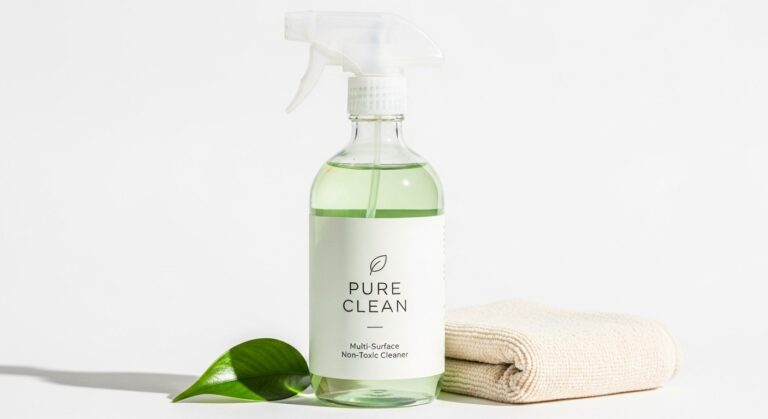
- Spot Cleaning: Keep a spray bottle with an all-purpose cleaner and a microfiber cloth handy for immediate spill clean-up. Addressing messes as they happen prevents them from becoming dried-on, stubborn stains.
- Deep Clean Focus (Weekly): Once a week, dedicate time to cleaning the microwave, scrubbing the sink, and wiping down cabinet fronts. Consider using eco-friendly cleaning products, aligning with holistic Womens Health Tips Every Woman Should Know for a chemical-free home environment.
Bathrooms: Prioritizing Hygiene and Quick Tidies:
Bathrooms are another high-use area that requires consistent attention to maintain hygiene and freshness.
- Daily Wipe-Downs: Encourage everyone to wipe down the sink and counter after use. Keep a small cloth and a gentle cleaner (or even just water) readily available.
- Toilet Maintenance: A quick swish with a toilet brush daily or every other day can prevent ring buildup.
- Floor Focus: With little ones, bathroom floors can quickly accumulate dust, hair, and splashes. A quick sweep or vacuum followed by a spot mop can keep things fresh.
- Weekly Deep Clean: Scrub toilets, showers/tubs, and floors. Replace towels. Enlist older children to help with age-appropriate tasks like wiping mirrors or emptying trash bins.
Living Areas: The Constant Battle Against Toy Explosions and General Clutter:
The living room is where families gather, play, and relax, making it a magnet for clutter.
- The Evening Reset: This is perhaps the most crucial strategy. Before bedtime, spend 10-15 minutes as a family putting away all toys, blankets, and miscellaneous items that have accumulated throughout the day. This ensures you wake up to a tidy space, setting a positive tone for the next day.
- Designated Play Zones: If possible, create specific areas for toys and activities. Use rugs or furniture arrangement to define these zones. This helps contain the mess.
- Storage Solutions: Baskets, bins, and shelves are your best friends here. Make sure they are easily accessible for children to put their own toys away.
- Vacuuming/Sweeping: Regular floor care, especially in carpeted areas, is essential to pick up crumbs, dust, and small toy pieces.
By focusing your energy on these high-traffic zones with a combination of daily maintenance and weekly deeper cleans, you can keep the most visible and used parts of your home consistently clean. This targeted approach prevents overwhelming messes, saves time, and creates a more peaceful environment for your family, supporting a holistic approach to well-being that Veralyn Media champions for every woman in 2026.
Optimizing Your Space: Smart Storage and Organization Solutions
A truly clean home with kids isn’t just about wiping surfaces; it’s fundamentally about organization. When everything has a designated place, putting things away becomes second nature, and the battle against clutter becomes significantly easier. Smart storage and organization solutions are crucial for creating a functional, aesthetically pleasing, and stress-reducing environment. This is especially true for parents who might also be juggling work from home, where an organized space directly impacts productivity and mental clarity, a key consideration for families looking into How To Set Up Family Home Office effectively.
The Golden Rule: Every Item Has a Home:
This principle is the cornerstone of effective organization. If an item doesn’t have a specific place where it belongs, it’s more likely to end up as clutter. Go through each room and assign a “home” for every category of item – toys, books, art supplies, clothes, paperwork, etc.
Utilizing Vertical Space:
In homes with children, floor space is often at a premium. Look up! Vertical storage solutions are incredibly effective:
- Shelving Units: Install sturdy shelves in playrooms, bedrooms, or even hallways. Use them for books, storage bins, and display items.
- Wall-Mounted Organizers: Pegboards, wall pockets, and wall-mounted bins can hold art supplies, small toys, or even hats and bags.
- Tall Bookcases: These are excellent for storing books and displaying decorative items out of reach of little hands, while providing easy access for older children.
Clear Bins and Baskets: The Visual Advantage:
While aesthetically pleasing baskets are lovely, clear bins offer a significant advantage: you can see what’s inside. This makes it easier for children to find what they’re looking for and, more importantly, to know where to put things back.
- Label Everything: Whether using clear or opaque bins, labels are non-negotiable. Use pictures for younger children and words for older kids. Labels eliminate guesswork and empower children to be self-sufficient in tidying.
- Categorize: Group similar items together. All building blocks in one bin, all art supplies in another, all dress-up clothes in a third.
- Accessibility: Store frequently used items at a child’s height. Items used less often can go on higher shelves.
Furniture with Built-in Storage: Multi-functional Marvels:
Invest in furniture that serves a dual purpose:
- Storage Ottomans: Perfect for blankets, pillows, or even a quick toy stash before unexpected guests arrive.
- Benches with Bins: Ideal for entryways to store shoes, backpacks, and outerwear.
- Trundle Beds or Beds with Drawers: Excellent for storing extra bedding, seasonal clothes, or toys.
Implementing a “Landing Strip” or Drop Zone:
Create a dedicated area near the main entrance for coats, shoes, backpacks, and mail. This prevents clutter from migrating further into the home. Hooks, cubbies, and shoe racks are essential here. Teaching children to immediately put their belongings in this zone upon entering the house is a game-changer for maintaining order.
The Daily “Put Away” Routine:
Organization is only effective if it’s maintained. Integrate a daily “put away” routine, perhaps before dinner or bedtime. This is where the “every item has a home” rule shines. With designated spots and clear bins, a 10-15 minute family tidy-up can reset the home. This consistent habit is not just about cleanliness; it fosters discipline and respect for the shared living space.
An organized home provides a sense of calm and control, which is vital for busy parents. For those working remotely, a well-ordered home is foundational to productivity. As detailed in resources like How To Set Up Family Home Office, a clean and clutter-free environment directly impacts focus and reduces mental distractions, making the juggle of work and family life significantly more manageable and less stressful in 2026.
The Power of Routine: Daily, Weekly, and Monthly Maintenance Schedules
For parents striving to maintain a clean home with kids, the secret sauce isn’t superhuman effort; it’s the consistent application of routines. Routines break down the seemingly monumental task of home maintenance into manageable, predictable chunks, reducing overwhelm and ensuring that no area is neglected for too long. By establishing clear daily, weekly, and monthly cleaning rhythms, you create a sustainable system that works with your family’s flow, rather than against it. This structured approach also benefits mental well-being, providing a sense of control and predictability which is a cornerstone of Womens Health Tips Every Woman Should Know.
Daily Routines: The Cornerstones of a Tidy Home:
Daily habits are the most impactful in preventing major messes. These are quick tasks that take only a few minutes but collectively keep your home from spiraling into disarray.
- Morning Reset (15 minutes):
- Make beds (even if just pulling up the covers).
- Put away pajamas.
- Quick tidy of bedrooms.
- Wipe down bathroom sinks after getting ready.
- Empty the dishwasher from the night before.
- Quick sweep of the kitchen floor.
- After-Meal Tidies (5-10 minutes per meal):
- Wipe down kitchen counters and stovetop.
- Rinse dishes and load the dishwasher.
- Wipe down the dining table.
- Spot clean the floor around the eating area.
- Evening Power Pick-Up (10-15 minutes):
- As a family, put away all toys and items that have accumulated in common areas.
- Fluff pillows and fold blankets in the living room.
- Take out the kitchen trash if full.
- Prep coffee maker/lunch boxes for the next day.
- A quick walk-through to ensure everything is generally in its place before bed.
Weekly Deep Dives: Tackling Bigger Tasks:
Designate a specific day or a few hours over the weekend for tasks that require more time and effort. Involve the whole family in these weekly chores.
- Kitchen:
- Wipe down appliance exteriors (fridge, oven, microwave).
- Clean out the inside of the microwave.
- Mop the kitchen floor.
- Wipe down cabinet fronts.
- Bathrooms:
- Thoroughly clean toilets, showers, and sinks.
- Mop bathroom floors.
- Clean mirrors.
- Empty trash cans and replace liners.
- Change towels.
- Floors:
- Vacuum/sweep all hard floors and carpets throughout the house.
- Mop hard floors.
- Laundry:
- Wash and fold all family laundry.
- Change bed linens.
- General Living Areas:
- Dust all surfaces (furniture, shelves, electronics).
- Clean glass surfaces (coffee tables, TV screens).
- Quick declutter of paperwork and mail.
Monthly Maintenance: The Less Frequent but Essential Tasks:
These tasks can be rotated throughout the month, perhaps one per weekend, or dedicated to a specific “monthly clean” day.
- Dust light fixtures and ceiling fans.
- Wipe down baseboards and door frames.
- Clean windows and mirrors throughout the house.
- Deep clean the refrigerator (tossing expired food, wiping shelves).
- Vacuum upholstery and under furniture.
- Clean out pantry and organize.
- Wash shower curtains or clean blinds.
- Review and declutter one specific area (e.g., a closet, a drawer, a toy bin).
By implementing these layered routines, you create a structured approach to home cleanliness that feels manageable rather than overwhelming. The predictability of these routines can significantly reduce the mental load on parents, allowing for more energy to focus on personal well-being and family connection. This consistent effort ensures a healthier and happier home environment for everyone, a crucial element in nurturing overall family health and especially important for mothers navigating the demands of family life in 2026.
Battling the Buildup: Effective Strategies for Specific Messes
Even with the most rigorous routines and the best intentions, life with kids inevitably brings specific, sometimes challenging, messes. From sticky food spills to vibrant art project mishaps and the inevitable toy explosion, knowing how to tackle these common occurrences efficiently can save time, frustration, and your home’s pristine appearance. The key is often immediate action and having the right tools on hand. This proactive approach helps prevent minor incidents from becoming major cleaning projects, safeguarding your home and your sanity.
Food Spills and Sticky Situations:
The kitchen and dining areas are prime zones for food-related messes. Speed is your ally here.
- Immediate Action: For liquid spills (juice, milk), blot immediately with a clean cloth or paper towel to absorb as much as possible before it soaks in or spreads. For solid food spills (crumbs, dropped food), sweep or pick up quickly.
- Sticky Residue: For jam, honey, or other sticky substances, use warm water and a little dish soap on a cloth. For tougher sticky spots on hard surfaces, a spray of white vinegar can often work wonders.
- Carpet & Upholstery Stains: For fresh stains, gently blot (don’t rub!) with a clean cloth. A mixture of water and a small amount of mild dish soap can be applied sparingly, then blotted. Always test any cleaner in an inconspicuous area first. For persistent stains, consider a specialized carpet cleaner or a steam cleaner.
Art Project Aftermath: Paint, Crayons, and Markers:
Creative play is wonderful, but it often leaves colorful evidence behind.
- Crayon Marks: For crayon on walls, a magic eraser or a damp cloth with a little baking soda paste can be effective. For crayon on wood, a non-gel toothpaste or a small amount of mayonnaise can sometimes work.
- Washable Markers: These are designed to come off easily. Warm water and soap are usually sufficient for skin and most surfaces. For tougher spots, a bit of rubbing alcohol or hairspray can help on non-porous surfaces (test first).
- Paint: For water-based paint, warm soapy water on a cloth should clean up fresh spills. For dried paint, you might need to gently scrape with a plastic scraper (on hard surfaces) or use a specialized paint remover for specific surfaces (always follow instructions and ensure ventilation).
- Designated Art Zone: To minimize widespread messes, create a specific art zone with a washable mat, old newspapers, or a large plastic tablecloth to protect surfaces.
Toy Explosions and Playroom Chaos:
The sudden eruption of toys from bins and shelves is a daily occurrence in many homes.
- The “Containment” Strategy: As discussed, clear, labeled bins and baskets are essential. Teach children to put away one toy set before taking out another.
- The Evening Pick-Up: This routine is non-negotiable for toy management. Involve children in a 10-15 minute “power tidy” before bedtime. Play music to make it more fun.
- Regular Decluttering: Overabundance of toys is a primary cause of toy explosions. Regularly go through toys with your children, donating or discarding what is no longer played with or broken.
Pet Messes (if applicable):
If you have furry family members, their messes can add another layer of cleaning.
- Accidents: For pet urine, blot immediately. Use an enzymatic cleaner specifically designed for pet odors to break down the proteins and prevent repeat marking.
- Pet Hair: Regular vacuuming with a pet hair attachment is key. Rubber gloves or a squeegee can also be effective at gathering hair from upholstery and carpets before vacuuming.
Essential Cleaning Tools and Products:
Having the right arsenal ready makes tackling messes much quicker.
- Microfiber Cloths: Excellent for dusting, wiping, and polishing.
- All-Purpose Cleaner: A good quality, preferably eco-friendly, cleaner for general surfaces.
- White Vinegar: A natural disinfectant and deodorizer.
- Baking Soda: Great for deodorizing and gentle scrubbing.
- Magic Erasers: Wonderful for scuffs and marks on walls.
- Handheld Vacuum: Perfect for quick crumb clean-ups.
- Stain Remover: Specific products for carpet and upholstery stains.
By adopting these proactive strategies and having your cleaning toolkit ready, you can effectively battle the buildup of specific messes, keeping your home cleaner and more enjoyable. This efficiency frees up more time for personal well-being and family connection, aligning perfectly with the holistic approach to life that Veralyn Media promotes for women in 2026.
Maintaining Sanity: Prioritizing Self-Care Amidst the Chaos
While the previous sections have focused on tangible strategies for maintaining a clean home with kids, it’s equally, if not more, important to address the mental and emotional toll this effort can take on parents, particularly mothers. At Veralyn Media, we firmly believe that your well-being is the foundation upon which a thriving home is built. Trying to achieve a perfectly clean home at the expense of your mental and physical health is counterproductive and unsustainable. Prioritizing self-care isn’t a luxury; it’s a necessity for maintaining sanity and effectiveness as a parent and homemaker.
Acknowledge Imperfection and Let Go of Guilt:
The biggest hurdle for many mothers is the relentless pursuit of perfection and the accompanying guilt when it’s not achieved. Understand that a home with children is a living, breathing space, and messes are an inevitable part of life and growth. There will be days when the floor is sticky, the laundry piles up, and toys are everywhere. That’s okay. Release the pressure to have a show-home ready space at all times. Focus on cleanliness for health and functionality, not for an unattainable ideal. This mental liberation is a vital component of Womens Health Tips Every Woman Should Know, as chronic stress and guilt can severely impact overall health and happiness.
Schedule & Protect Your Self-Care Time:
Just as you schedule chores, schedule time for yourself. This might look different for everyone: 15 minutes of quiet reading, a warm bath, a walk outdoors, listening to a podcast, or engaging in a hobby. The key is to treat this time as non-negotiable. Even small pockets of self-care can replenish your energy reserves and help you approach household tasks with a refreshed perspective. For women embarking on or considering a fertility journey, as discussed in Fertility Health Tips Women Trying Conceive, managing stress through dedicated self-care is particularly crucial for supporting reproductive health and overall well-being.
Know When to Ask for Help:
Recommended Resources
Related reading: Benefits Of Walking Daily (Rock Salt Plum).
Explore Celebrity Self Care Sunday Routine for additional insights.