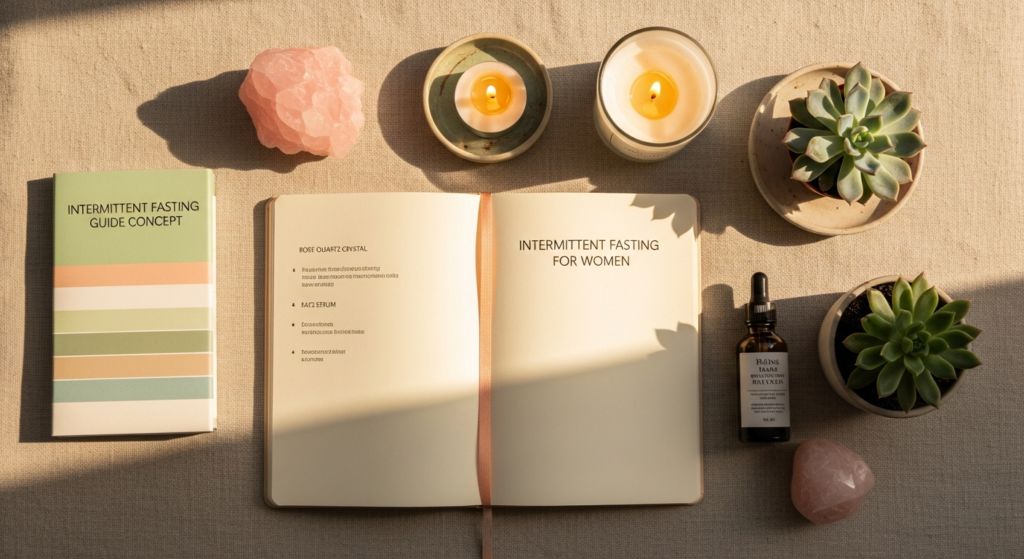
Understanding Intermittent Fasting: A Primer for Women
Intermittent fasting isn’t a diet in the traditional sense; rather, it’s an eating pattern that cycles between periods of eating and voluntary fasting. Unlike conventional diets that focus on what you eat, IF primarily dictates when you eat. This distinction is vital, as the benefits of IF are thought to stem not just from caloric restriction but from the metabolic shifts that occur during the fasted state.
For many, the appeal of IF lies in its simplicity and flexibility. There are no specific foods to count or strict meal plans to follow, though the quality of food consumed during eating windows remains paramount. The core idea is to give your body a break from constantly digesting food, allowing it to tap into stored energy reserves (like fat) and initiate cellular repair processes. While the general principles of IF apply to everyone, acknowledging the unique physiological makeup of women is paramount. Hormonal fluctuations throughout the menstrual cycle, during perimenopause, and beyond mean that a “one-size-fits-all” approach to fasting can be counterproductive, or even harmful, for women.
The historical context of fasting is also worth noting; humans have fasted throughout history, often out of necessity or for spiritual reasons. Our bodies are inherently equipped to handle periods without food. However, modern lifestyles, characterized by constant access to highly palatable foods and often chronic stress, can make adapting to fasting more challenging. This guide will help you navigate these challenges with a focus on female physiology.
The Science Behind Intermittent Fasting and the Female Body
The intricate dance of female hormones—estrogen, progesterone, cortisol, and thyroid hormones—plays a pivotal role in how a woman’s body responds to stress, including the stress of fasting. Research suggests that women might be more sensitive to caloric restriction and metabolic stress than men, potentially due to evolutionary programming designed to protect reproductive capacity.
When a woman fasts, especially for extended periods or with high frequency, her body may perceive this as a signal of scarcity. This can trigger a cascade of hormonal responses. For instance, the hypothalamus, a key brain region, can interpret prolonged fasting as a threat to energy availability. This can, in turn, affect the pulsatile release of GnRH (Gonadotropin-Releasing Hormone), which is crucial for the production of LH (Luteinizing Hormone) and FSH (Follicle-Stimulating Hormone). Disruptions to these hormones can lead to irregular menstrual cycles, amenorrhea (absence of menstruation), and even impact ovulation.
Cortisol, our primary stress hormone, is another significant player. While short, moderate fasts can help improve stress resilience, excessive or poorly managed fasting can elevate cortisol levels. Chronically high cortisol can lead to increased anxiety, sleep disturbances, impaired immunity, and even contribute to weight gain, particularly around the midsection. Thyroid function can also be impacted, as the body may downregulate metabolism to conserve energy, leading to symptoms of hypothyroidism like fatigue and weight gain.
Metabolically, women tend to have a higher percentage of body fat and different fat storage patterns compared to men. This isn’t inherently negative; fat stores are crucial for hormone production and reproductive health. However, it means that the body’s response to fat mobilization during fasting can differ. Women may also experience different glucose sensitivities and insulin responses, making it even more vital to approach IF thoughtfully. The benefits of autophagy (cellular clean-up) and improved insulin sensitivity are appealing, but achieving them without disrupting delicate hormonal balance requires careful consideration of fasting duration and frequency, especially for women with pre-existing conditions or those in specific life stages.
Tailored Benefits: Why Women Might Consider Intermittent Fasting
Weight Management and Body Composition
One of the most widely recognized benefits of IF is its potential for sustainable weight management. By naturally reducing the eating window, many women find themselves consuming fewer calories overall. Beyond simple calorie restriction, IF can enhance fat burning by lowering insulin levels, which signals the body to tap into stored fat for energy. This metabolic shift, known as ketosis, can be particularly effective for women looking to reduce body fat while preserving lean muscle mass. Studies suggest that time-restricted eating, a popular IF protocol, can be an effective strategy for modest weight loss and improvements in body composition without the rigid restrictions of traditional diets. For women seeking comprehensive Womens Health Tips Every Woman Should Know, integrating IF could be a powerful tool for achieving a healthy weight and improving overall vitality, provided it’s done safely and sustainably.
Metabolic Health and Disease Prevention
Intermittent fasting has shown significant promise in improving various markers of metabolic health. For women, this can translate to better blood sugar control and enhanced insulin sensitivity, which is crucial for preventing and managing Type 2 Diabetes. By giving the pancreas a break from constant insulin production, IF can help cells become more responsive to insulin, leading to more stable blood glucose levels. Furthermore, IF may contribute to reducing chronic inflammation, a known driver of many chronic diseases, including heart disease and certain cancers. Improvements in cholesterol profiles and blood pressure have also been observed, positioning IF as a valuable strategy for long-term cardiovascular health.
Brain Health and Longevity
The benefits of intermittent fasting extend beyond physical health to cognitive function and longevity. During fasting, the body initiates cellular repair processes, including autophagy, where old and damaged cells are cleared out, making way for new, healthy cells. This cellular rejuvenation is thought to contribute to anti-aging effects. For the brain, IF can promote neuroplasticity, enhance cognitive performance, and protect against neurodegenerative diseases by boosting the production of Brain-Derived Neurotrophic Factor (BDNF). BDNF is a protein that supports the growth and survival of neurons, improving memory and learning. Many women report increased mental clarity, focus, and improved mood when consistently practicing IF, suggesting a profound impact on overall brain health and resilience.
Inflammation Reduction
Gut Health Enhancement
Emerging research suggests that intermittent fasting can positively influence the gut microbiome, the complex community of bacteria residing in our digestive tract. By providing periods of rest for the digestive system, IF may help rebalance gut flora, reduce gut inflammation, and improve gut barrier function. A healthy gut is intrinsically linked to overall immunity, mental health, and nutrient absorption. For women, optimizing gut health can have far-reaching benefits, impacting everything from hormone balance to skin health and energy levels. While more research is needed, the potential for IF to foster a healthier gut ecosystem is an exciting area of study.
Navigating Potential Risks and Important Considerations for Women
While the benefits of intermittent fasting for women are compelling, it is crucial to approach this eating pattern with caution and a deep understanding of its potential risks. A woman’s physiology is exquisitely sensitive, and aggressive or poorly managed fasting can disrupt delicate hormonal balances, leading to adverse health outcomes. Prioritizing safety and listening to your body are paramount.
Hormonal Imbalance and Reproductive Health
The most significant concern for women undertaking intermittent fasting is its potential impact on hormonal balance. Prolonged or frequent fasting can signal to the body that food is scarce, leading to a stress response. This can elevate cortisol levels and disrupt the HPA (hypothalamic-pituitary-adrenal) axis, which regulates many essential bodily functions, including the menstrual cycle. Irregular periods, amenorrhea (absence of periods), or even anovulation (lack of ovulation) are potential consequences, as the body may temporarily shut down reproductive functions to conserve energy. This is particularly relevant for younger women and those in their reproductive years. Thyroid function can also be affected, potentially leading to symptoms of an underactive thyroid such as fatigue, weight gain, and hair loss. Women must pay close attention to their menstrual cycle as a barometer of their body’s response to IF.
Fertility Concerns
For women who are trying to conceive, intermittent fasting is generally not recommended without explicit medical guidance. As detailed above, IF can disrupt the delicate hormonal symphony required for ovulation and a healthy menstrual cycle. Any practice that signals energy scarcity to the body can potentially impede fertility. If you are actively attempting to get pregnant, or experiencing fertility challenges, your focus should be on consistent, nutrient-dense eating patterns that support robust reproductive health. We strongly advise against experimenting with IF during this critical time. For comprehensive Fertility Health Tips Women Trying Conceive, always consult with a reproductive endocrinologist or a healthcare provider specializing in fertility to ensure your body is in optimal condition for conception.
Bone Density
While not a direct immediate risk, long-term, extreme caloric restriction or inadequate nutrient intake during eating windows could theoretically impact bone density over time. Women are already at a higher risk for osteoporosis, especially post-menopause. Ensuring sufficient intake of calcium, Vitamin D, and other bone-supporting nutrients during your eating windows is crucial if you choose to fast. Regular weight-bearing exercise is also vital for maintaining bone health.
Risk of Disordered Eating Patterns
For individuals with a history of disordered eating or those prone to restrictive behaviors, intermittent fasting can be a dangerous trigger. The emphasis on restricting food intake and specific eating windows can inadvertently reinforce unhealthy patterns, leading to orthorexia, binge eating, or other forms of disordered eating. If you find yourself obsessing over food, feeling guilty after eating, or experiencing extreme hunger followed by overeating, IF may not be a healthy choice for you. Prioritizing a healthy relationship with food is always more important than adhering to a fasting protocol.
Stress and Cortisol Response
While some women adapt well to IF, others may experience increased stress. Fasting, especially prolonged fasting, can be a physiological stressor. If a woman is already under significant life stress (e.g., demanding job, family responsibilities, chronic sleep deprivation), adding the stress of fasting can exacerbate cortisol levels. Chronically elevated cortisol can lead to anxiety, fatigue, weight gain, particularly around the abdomen, and blood sugar dysregulation. It is essential to monitor your stress levels and consider if IF is adding undue burden to your body.
Who Should AVOID Intermittent Fasting?
Certain groups of women should generally avoid intermittent fasting. These include:
- Pregnant or breastfeeding women: Nutrient needs are significantly higher during these periods.
- Women who are underweight or have a history of eating disorders.
- Women with active medical conditions: Especially Type 1 Diabetes, adrenal disorders, or thyroid conditions, without strict medical supervision.
- Women experiencing significant stress, sleep deprivation, or chronic fatigue.
- Adolescent girls: Due to critical growth and development.
Always consult with a healthcare professional before starting any new dietary regimen, especially if you have underlying health conditions or are taking medications.
Types of Intermittent Fasting: Choosing the Right Protocol for You
The beauty of intermittent fasting lies in its flexibility, offering several protocols that can be adapted to individual lifestyles and preferences. However, for women, choosing the right method is paramount, with an emphasis on gentler approaches to minimize potential hormonal disruptions.
Time-Restricted Eating (TRE)
This is by far the most popular and generally recommended method for women, especially when starting out. TRE involves consuming all your meals within a specific window each day, typically 8-12 hours, and fasting for the remaining 12-16 hours.
- 12/12 Protocol: This involves fasting for 12 hours and having a 12-hour eating window. For example, finishing dinner by 7 PM and not eating again until 7 AM. This is often an excellent starting point, as many people naturally fast for this duration overnight, making it easy to integrate. It offers a gentle introduction to fasting benefits without significant stress.
- 14/10 Protocol: Fast for 14 hours, eat within a 10-hour window. This might mean skipping breakfast or pushing back your first meal a bit later. It offers more pronounced benefits than 12/12 but is still relatively mild.
- 16/8 Protocol: This is arguably the most common TRE method, involving a 16-hour fast and an 8-hour eating window. For example, eating between 12 PM and 8 PM. While effective, women should approach 16/8 cautiously and assess their body’s response, as some may find it too restrictive initially.
Why TRE is often best for women: It’s less extreme than other methods, making it easier to maintain nutrient intake and less likely to trigger a significant stress response or hormonal disruption. It allows for consistent meal timing, which can be beneficial for circadian rhythm and stable blood sugar.
The 5:2 Method
This protocol involves eating normally for five days of the week and restricting calorie intake to 500-600 calories on two non-consecutive days. On “fasting” days, women would typically aim for the lower end of this calorie range (around 500 calories).
Considerations for women: While potentially effective for weight loss, the 5:2 method can be challenging due to significant calorie restriction on fast days. Some women may find this too stressful, leading to fatigue, irritability, and potential hormonal fluctuations. It requires careful planning to ensure adequate nutrient intake on regular eating days.
Eat-Stop-Eat
This involves a 24-hour fast, once or twice a week. For example, eating dinner on Monday and then not eating again until dinner on Tuesday.
Considerations for women: This protocol is generally considered more aggressive and should be approached with extreme caution by women. A full 24-hour fast can be a significant stressor for the female body, potentially leading to greater hormonal disruption, especially if done frequently. It is not recommended as a starting point for women, and many women may find it unsustainable or detrimental to their well-being.
Alternate Day Fasting (ADF)
ADF involves alternating between days of normal eating and “fasting” days where calorie intake is restricted to around 500 calories, or no calories at all.
Considerations for women: Similar to Eat-Stop-Eat, ADF is a more intense form of fasting and carries a higher risk of adverse effects for women, including hormonal imbalance, fatigue, and potential nutrient deficiencies if not managed meticulously. It is generally not recommended for most women, particularly those new to IF or with any underlying health concerns.
Personalizing Your Approach
The key to successful intermittent fasting for women is personalization. Start with the most gentle protocol (e.g., 12/12 or 14/10 TRE) and gradually extend your fasting window only if your body responds positively. Pay close attention to:
- Energy levels: Do you feel energized or excessively fatigued?
- Mood: Are you stable or irritable and anxious?
- Sleep quality: Is it improving or worsening?
- Menstrual cycle: Is it regular and healthy, or are you noticing disruptions?
- Hunger cues: Are you managing hunger well, or is it overwhelming?
It’s perfectly acceptable to adjust your fasting schedule week by week, or even day by day, based on your energy levels, stress, and menstrual cycle phase. Some women find it beneficial to fast less strictly during the luteal phase (the week before their period) when progesterone levels are higher and the body may crave more energy. The goal is to find a rhythm that supports your health, not one that adds stress.
A Step-by-Step Guide to Safely Starting Intermittent Fasting for Women
Embarking on an intermittent fasting journey requires a thoughtful, measured approach, especially for women. Rushing into extreme protocols can be counterproductive and potentially harmful. Here’s a step-by-step guide designed to help women safely integrate IF into their lives:
1. Consult Your Healthcare Provider
This is the non-negotiable first step. Before making any significant changes to your eating patterns, especially if you have existing health conditions (diabetes, thyroid issues, adrenal fatigue, PCOS, etc.), are taking medications, or are trying to conceive, speak with your doctor. They can assess your individual health status, discuss potential interactions, and offer personalized advice. This professional guidance ensures that IF is a safe and appropriate choice for you.
2. Start Gradually with Time-Restricted Eating
Do not jump into aggressive fasting protocols like 24-hour fasts or alternate-day fasting. Begin with the most gentle form of time-restricted eating (TRE):
- 12/12 Protocol: Aim for a 12-hour eating window and a 12-hour fast. This often means simply extending your overnight fast by avoiding late-night snacks and having breakfast a bit later. For example, if you finish dinner by 7 PM, don’t eat again until 7 AM.
- Listen to Your Body: Stay at 12/12 for a few weeks until it feels comfortable and natural. If you feel good, you can slowly extend your fasting window to 13 or 14 hours (e.g., 14/10 protocol), still prioritizing your comfort and energy levels.
3. Prioritize Nutrient-Dense Meals During Your Eating Window
Intermittent fasting is not an excuse to eat unhealthy foods. The quality of your food during your eating window is critical, perhaps even more so for women who need to ensure robust nutrient intake to support hormone health. Focus on:
- Lean Proteins: Chicken, fish, eggs, tofu, legumes. Essential for satiety, muscle maintenance, and hormone production.
- Healthy Fats: Avocados, nuts, seeds, olive oil, fatty fish. Crucial for hormone synthesis, brain health, and nutrient absorption.
- Complex Carbohydrates: Whole grains, sweet potatoes, fruits, vegetables. Provide sustained energy and fiber.
- Plenty of Fiber: From fruits, vegetables, and whole grains to support gut health and satiety.
- Avoid Processed Foods: Limit refined sugars, unhealthy fats, and highly processed items that can negate IF benefits.
4. Stay Hydrated During Your Fasting Window
Hydration is paramount. During your fasting window, you can consume:
- Water: Plain, sparkling, or infused with lemon/cucumber.
- Black Coffee: Without sugar, milk, or cream.
- Plain Tea: Herbal teas (peppermint, ginger, green tea) without sweeteners.
- Electrolytes: Consider adding a pinch of sea salt to water, especially if you experience headaches or fatigue, to replenish electrolytes.
5. Listen Intently to Your Body and Adapt
This is arguably the most crucial step for women. Your body will provide cues:
- Energy Levels: If you feel consistently drained, irritable, or lethargic, your fasting window might be too long or too frequent.
- Sleep Quality: IF should ideally improve sleep. If you’re experiencing insomnia or restless sleep, re-evaluate.
- Menstrual Cycle: Track your cycle. Any irregularities (skipped periods, longer/shorter cycles, increased PMS) are significant red flags that IF might be too much for your body.
- Stress Levels: If you feel more anxious or stressed, consider shortening your fasting windows or taking a break.
Be flexible. It’s okay to adjust your fasting schedule based on your cycle, stress levels, or social events. Some women find it helpful to lighten fasting during the luteal phase (pre-period) and ovulatory phase, when the body’s energy demands might be higher.
6. Integrate Stress Management and Quality Sleep
Fasting is a stressor, and if your body is already overwhelmed by other stressors (lack of sleep, emotional stress, intense exercise), IF can push you over the edge. Prioritize:
- Adequate Sleep: Aim for 7-9 hours of quality sleep per night.
- Stress Reduction Techniques: Incorporate practices like meditation, yoga, deep breathing exercises, or spending time in nature.
7. Mindful Exercise Integration
Exercise is important, but how you schedule it around IF matters. Many women find it best to do moderate exercise (walking, yoga, light strength training) during their fasted state. High-intensity interval training (HIIT) or very strenuous long-duration workouts might be better performed closer to your eating window or after your first meal, especially if you’re prone to fatigue or hormonal issues. Pay attention to how your body recovers and adjusts your exercise routine accordingly.
By following these steps, women can embark on an intermittent fasting journey that is both effective and supportive of their unique physiological needs, leading to sustainable health benefits in 2026 and beyond.
Integrating Intermittent Fasting into a Busy Woman’s Lifestyle
For the modern woman juggling careers, family, social commitments, and personal well-being, the idea of adding another “rule” to her daily routine might seem daunting. However, with thoughtful planning and flexibility, intermittent fasting can seamlessly integrate into a busy lifestyle, becoming a tool for enhanced energy and focus rather than an added stressor. The key is to make IF work for you, not the other way around.
Meal Planning and Preparation
One of the most effective strategies for successful IF is proactive meal planning and preparation. When your eating window arrives, you want to ensure you have nutrient-dense, satisfying meals readily available to avoid impulsive, unhealthy choices. This means:
- Batch Cooking: Dedicate a few hours on a weekend to prepare components like cooked grains, roasted vegetables, grilled chicken, or hard-boiled eggs.
- Smart Snacking: If you choose to include snacks, have healthy options like nuts, seeds, fruit, or yogurt prepared.
- Pre-portioned Meals: Pack your lunches and snacks for work days, reducing decision fatigue and ensuring you stick to your nutritional goals.
- Prioritize Protein and Fiber: These macronutrients are crucial for satiety, helping you feel full and satisfied throughout your eating window and into your fast.
Scheduling Fasts Around Life’s Demands
Your fasting window doesn’t have to be rigid every single day. Life happens, and flexibility is your ally. Consider:
- Work Schedule: If you have an early start, a later eating window might mean skipping breakfast, or if you work late, an earlier dinner and earlier fast might be more manageable.
- Family Meals: If family dinners are non-negotiable, adjust your fast so your eating window accommodates this. Perhaps you simply skip breakfast and have an earlier lunch, ensuring you’re done eating by a certain time in the evening.
- Social Events: Don’t let IF isolate you. If you have a social lunch or dinner, simply adjust your fasting window for that day. A single day of flexible eating won’t derail your progress. Return to your routine the next day.
- Menstrual Cycle Syncing: As mentioned, some women find it beneficial to ease up on fasting or not fast at all during certain phases of their menstrual cycle, particularly the week before their period when energy needs might be higher. Listen to your body and adjust accordingly.
Managing Hunger and Cravings
Initial hunger pangs are common, but they often subside as your body adapts. Here’s how to manage them:
- Hydration: Drink plenty of water, black coffee, or herbal tea during your fasting window. Sometimes, what feels like hunger is actually thirst.
- Distraction: Engage in activities that take your mind off food – work, a hobby, exercise, or spending time with loved ones.
- Electrolytes: A pinch of sea salt in water can help with headaches or fatigue that can sometimes be mistaken for hunger.
- Mindfulness: Practice observing hunger without immediately reacting to it. Often, hunger comes in waves and passes.
Creating a Supportive Environment
Your environment plays a significant role in supporting your health goals. Whether you’re at home or in a professional setting, setting up your surroundings for success is key. For many women, this includes creating a structured and conducive workspace, especially if working remotely. Just as you would learn How To Set Up Family Home Office to optimize productivity and minimize distractions, consider how your kitchen and pantry are organized to support your IF goals. Having healthy foods easily accessible and tempting unhealthy snacks out of sight can make a huge difference during your eating window. Similarly, designing your workspace to include regular movement breaks or a dedicated “no-snack” zone can reinforce mindful eating habits.
Ultimately, integrating IF into a busy woman’s life is about finding balance. It’s about leveraging its potential benefits to enhance your energy and focus, rather than letting it become another source of stress. Be patient with yourself, celebrate small victories, and always prioritize your overall well-being above strict adherence to any protocol.
Conclusion: Empowering Your IF Journey with Knowledge
Intermittent fasting, when approached with careful consideration for female physiology, offers a compelling pathway to enhanced health and well-being for many women. From sustainable weight management and improved metabolic health to heightened brain function and reduced inflammation, the potential benefits are vast. However, the journey is not one-size-fits-
Recommended Resources
You might also enjoy How To Set Healthy Boundaries In Relationships And At Work from Sometimes Daily.
For more on intermittent fasting for, see Celebrity Nail Trends 2025 on Celebrity Exchange.