
Understanding the Female Gut: Why Women’s Gut Health is Unique
The female body is a symphony of delicate balances, and the gut microbiome plays a significant role in orchestrating this complex harmony. While many aspects of gut health are universal, women experience unique physiological factors that profoundly impact their digestive system and microbiome composition. These distinctions highlight why a tailored approach to improving gut health for women is essential.
Hormonal Fluctuations and the Gut
Perhaps the most significant differentiator is the constant interplay between hormones and the gut. Estrogen, progesterone, and other sex hormones fluctuate throughout a woman’s life – during the menstrual cycle, pregnancy, postpartum, and menopause. These hormonal shifts directly influence the gut microbiome, leading to changes in gut motility, permeability, and the diversity of beneficial bacteria. For instance, the ‘estrobolome’ – a collection of gut bacteria that metabolize and regulate estrogen levels – is crucial. An imbalance in the estrobolome can lead to estrogen dominance or deficiency, contributing to conditions like PCOS, endometriosis, fibroids, and even increasing the risk of certain cancers. Understanding this connection is a vital part of Womens Health Tips Every Woman Should Know, as gut health underpins so many other systemic functions.
Pregnancy and Postpartum Changes
Pregnancy brings about a dramatic remodeling of the gut microbiome, essential for supporting both maternal and fetal health. These changes can influence nutrient absorption, immune modulation, and even mood. Postpartum, the gut undergoes another significant shift as the body recovers and hormones rebalance. Many new mothers experience digestive issues, fatigue, and mood swings, which can be exacerbated by an unhealthy gut. Addressing gut health is an integral component of any Postpartum Recovery Guide New Moms can utilize to regain their vitality and cope with the demands of motherhood.
Increased Susceptibility to Certain Conditions
Women are disproportionately affected by certain gut-related conditions. Irritable Bowel Syndrome (IBS), for example, is twice as common in women as in men, with symptoms often worsening during menstruation. Autoimmune diseases, many of which have strong links to gut permeability (leaky gut), also show a higher prevalence in women. Factors like slower gut transit time, pelvic anatomy, and differing pain perception may contribute to these disparities. Recognizing these unique vulnerabilities empowers women to take proactive steps in managing their gut health.
The Gut-Brain Axis and Mood
The gut-brain axis, a bidirectional communication highway, is particularly relevant for women, who are more prone to anxiety and depression. A significant portion of neurotransmitters, including serotonin, are produced in the gut. An imbalanced gut microbiome can impair this production, affecting mood, stress response, and cognitive function. This connection underscores why nurturing your gut is a powerful strategy for mental well-being.
By appreciating these unique aspects of the female gut, women can adopt more targeted and effective strategies to foster a robust and balanced microbiome, paving the way for improved health and vitality.
The Pillars of Gut Health: Diet and Nutrition Strategies
When it comes to how to improve gut health for women, diet is unequivocally the most powerful tool in your arsenal. The food you consume directly influences the composition and function of your gut microbiome, acting as either nourishment or detriment to your microscopic inhabitants. A focus on whole, unprocessed foods, rich in diverse nutrients, is fundamental.
Embrace Fiber-Rich Foods
Fiber is the cornerstone of a healthy gut. It acts as a prebiotic, feeding the beneficial bacteria in your colon, which then produce short-chain fatty acids (SCFAs) like butyrate. SCFAs are vital for gut barrier integrity, immune function, and reducing inflammation. Aim for a diverse range of both soluble and insoluble fibers:
- Soluble Fiber: Found in oats, barley, nuts, seeds, beans, lentils, and many fruits and vegetables. It dissolves in water to form a gel-like substance, helping to slow digestion and stabilize blood sugar.
- Insoluble Fiber: Found in whole grains, wheat bran, and the skins of fruits and vegetables. It adds bulk to stool, aiding in regular bowel movements and preventing constipation.
Incorporate a rainbow of plant-based foods daily: leafy greens, colorful berries, root vegetables, legumes, and whole grains like quinoa and brown rice. Variety is key to fostering a diverse microbiome.
Prioritize Prebiotic Foods
Prebiotics are specific types of fiber that selectively feed beneficial gut bacteria. Think of them as fertilizer for your gut garden. Excellent sources include:
- Garlic and Onions
- Leeks and Asparagus
- Bananas (especially slightly green ones)
- Apples
- Oats
- Flaxseeds
- Chicory root
Integrating these into your daily meals can significantly enhance the growth of beneficial microbes like Bifidobacterium.
Savor Probiotic-Rich Fermented Foods
While prebiotics feed existing good bacteria, probiotics introduce new beneficial strains into your gut. Fermented foods are natural sources of live, active cultures. Regularly consuming these can help replenish and diversify your microbiome:
- Yogurt and Kefir: Opt for plain, unsweetened varieties with live active cultures.
- Sauerkraut and Kimchi: Fermented cabbage dishes that are rich in probiotics. Ensure they are unpasteurized to retain live cultures.
- Kombucha: A fermented tea drink. Choose low-sugar varieties.
- Miso and Tempeh: Fermented soy products that can be incorporated into various dishes.
Start with small portions and gradually increase to allow your gut to adjust.
Stay Hydrated
Water is often overlooked but crucial for gut health. Adequate hydration is essential for maintaining the mucosal lining of the intestines, facilitating nutrient absorption, and ensuring smooth bowel movements. Aim for at least 8 glasses of water daily, more if you’re active or in a warm climate.
Limit Gut-Damaging Foods
Just as important as what you include is what you exclude or limit. Certain foods can disrupt the delicate balance of your gut microbiome and promote inflammation:
- Processed Foods: Often high in unhealthy fats, sugar, and artificial ingredients that can feed harmful bacteria.
- Added Sugars: Contribute to inflammation and can promote the growth of yeast and pathogenic bacteria.
- Artificial Sweeteners: Emerging research suggests they can negatively impact the gut microbiome.
- Unhealthy Fats: Trans fats and excessive amounts of omega-6 fatty acids (found in many processed oils) can promote inflammation.
- Excessive Alcohol: Can irritate the gut lining and disrupt the microbiome.
By making conscious dietary choices, women can actively cultivate a thriving internal environment, leading to better digestion, improved immunity, balanced hormones, and enhanced overall vitality.
Beyond Food: Lifestyle Factors for a Thriving Gut
Manage Stress Effectively
The gut and brain are in constant communication via the gut-brain axis. Chronic stress can profoundly impact gut function, leading to increased gut permeability (leaky gut), altered gut motility, and changes in microbiome composition. For women, who often experience higher levels of stress due to societal pressures and hormonal fluctuations, effective stress management is paramount. Incorporate practices like:
- Mindfulness and Meditation: Even 10-15 minutes daily can calm the nervous system.
- Yoga and Deep Breathing Exercises: Promote relaxation and activate the parasympathetic “rest and digest” system.
- Spending Time in Nature: Reduces cortisol levels and enhances mood.
- Adequate Downtime: Prioritize hobbies and activities that bring joy and relaxation.
Reducing stress directly contributes to a healthier, more resilient gut.
Prioritize Quality Sleep
Sleep is a fundamental biological need, and its impact on gut health is increasingly recognized. Sleep deprivation can disrupt the circadian rhythm of gut bacteria, alter gut permeability, and increase inflammation. Aim for 7-9 hours of quality sleep per night. Establish a consistent sleep schedule, create a dark and cool sleep environment, and avoid screens before bedtime. For new mothers, whose sleep is often fragmented, even short periods of restorative rest, when possible, are crucial for both physical and mental recovery, deeply intertwined with gut well-being as highlighted in any comprehensive Postpartum Recovery Guide New Moms.
Engage in Regular Physical Activity
Moderate, regular exercise has a beneficial impact on gut health. It can increase the diversity of the gut microbiome, improve gut motility, and reduce inflammation. However, extreme or prolonged high-intensity exercise can sometimes have the opposite effect, so finding a balanced routine is key. Aim for at least 150 minutes of moderate-intensity activity per week, such as brisk walking, swimming, cycling, or dancing. Listen to your body and choose activities you enjoy to ensure consistency.
Be Mindful of Medications and Environmental Toxins
Certain medications, particularly antibiotics, can significantly disrupt the gut microbiome by indiscriminately killing both beneficial and harmful bacteria. While sometimes necessary, it’s important to use antibiotics judiciously and focus on gut replenishment strategies afterward. Other medications, like NSAIDs and proton pump inhibitors, can also affect gut integrity and function. Similarly, exposure to environmental toxins (pesticides, heavy metals, plastics) can negatively impact gut health. Opt for organic foods when possible, use natural cleaning products, and store food in glass containers to minimize exposure.
Stay Hydrated
Reiterating this crucial point: water is essential for every bodily function, including digestion. It helps to move food through the digestive tract, keeps the intestinal lining healthy, and supports the balance of the gut microbiome. Make plain water your primary beverage choice.
By integrating these lifestyle factors into your daily routine, you create a supportive environment for your gut to flourish, enhancing not just digestion but overall physical and mental well-being. A holistic approach is truly how to improve gut health for women in a sustainable and impactful way.
Targeting Specific Female Concerns: Hormones, Stress, and Gut Health
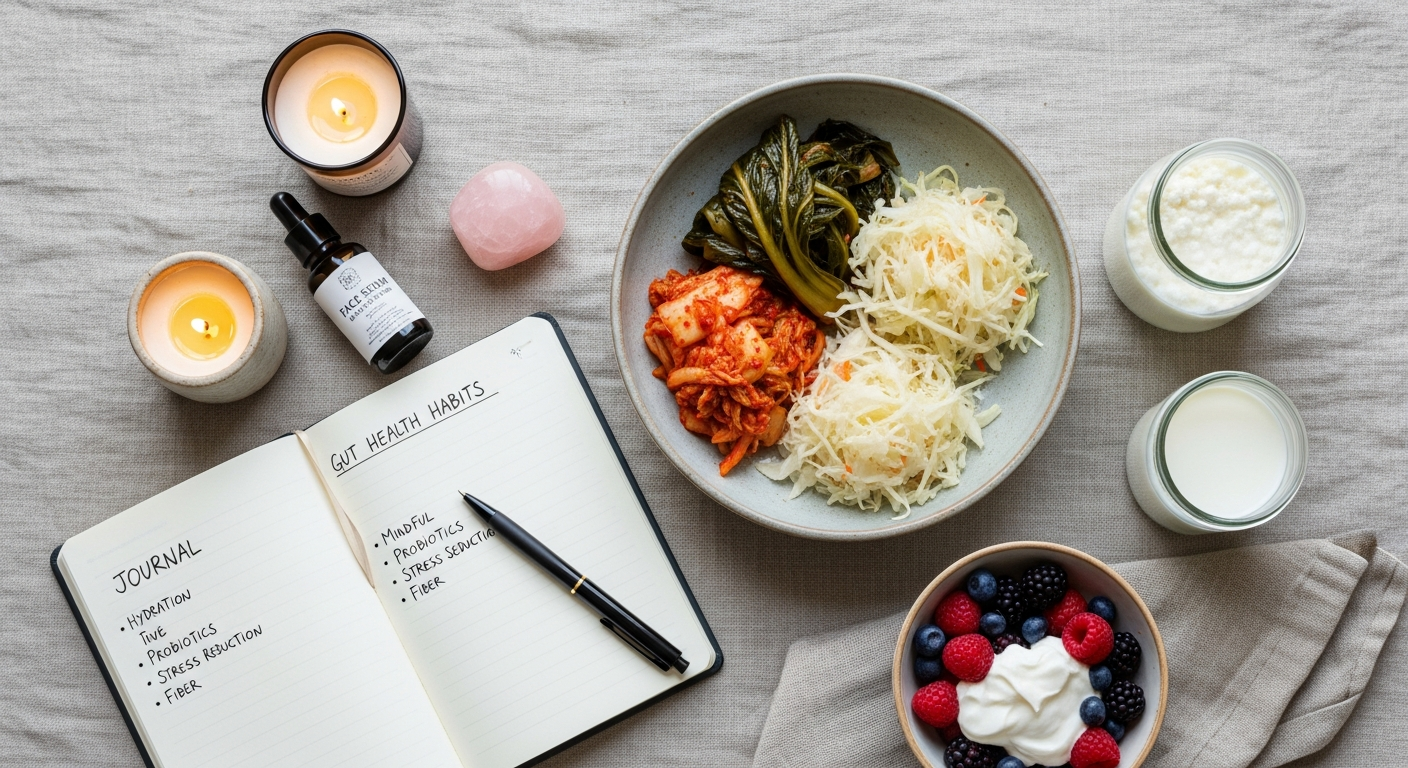
The intricate relationship between gut health, hormones, and stress is particularly pronounced in women. Understanding these connections is crucial for addressing common female health concerns and optimizing overall well-being. When we talk about how to improve gut health for women, we must specifically consider these unique interactions.
The Estrobolome and Hormonal Balance
As mentioned earlier, the estrobolome – a collection of gut bacteria – plays a critical role in metabolizing and regulating circulating estrogen levels. When the estrobolome is healthy, it helps maintain optimal estrogen balance. However, an imbalanced estrobolome can lead to either excessive reabsorption of estrogen (contributing to estrogen dominance) or insufficient processing, impacting levels throughout the body. Estrogen dominance can exacerbate symptoms of conditions like:
- PCOS (Polycystic Ovary Syndrome): Often involves hormonal imbalances, and gut dysbiosis can worsen insulin resistance and inflammation associated with PCOS.
- Endometriosis: Characterized by chronic inflammation and hormonal imbalances, both of which can be influenced by gut health.
- Fibroids and Breast Tenderness: Symptoms often linked to estrogen dominance.
- Menopausal Symptoms: As estrogen levels naturally decline, a healthy gut can help manage symptoms by supporting overall hormonal regulation and reducing inflammation.
Supporting your estrobolome through a fiber-rich diet, prebiotics, and probiotics is a powerful strategy for hormonal harmony. This is a key insight for any woman looking for Womens Health Tips Every Woman Should Know, as hormone balance is central to so many aspects of female health.
Stress, Cortisol, and Gut Permeability
Women often experience stress differently and are more susceptible to its physiological impacts. Chronic stress leads to elevated cortisol levels, which can have a detrimental effect on the gut. High cortisol can:
- Increase Gut Permeability (“Leaky Gut”): Making the gut lining more porous, allowing undigested food particles, toxins, and bacteria to leak into the bloodstream, triggering inflammation and immune responses.
- Alter Gut Microbiome Composition: Favoring the growth of less beneficial bacteria.
- Slow Digestion: Contributing to constipation and discomfort.
- Impact Neurotransmitter Production: Affecting mood and increasing anxiety or depression.
Given these effects, stress management isn’t just about feeling better mentally; it’s a direct intervention for gut health. Techniques like meditation, gentle exercise, sufficient sleep, and even creating a calming home environment (which complements thoughtful design, much like Kid Friendly Home Decor Ideas can create a nurturing space) all play a role in mitigating stress’s impact on your gut.
Gut Health During Pregnancy and Postpartum
The gut microbiome undergoes significant changes during pregnancy, influencing nutrient absorption, immune system development, and even the baby’s future health. A healthy maternal gut is crucial for passing beneficial bacteria to the infant during birth and breastfeeding. Postpartum, as a new mom navigates sleep deprivation, hormonal shifts, and the demands of caring for a newborn, her gut health can be particularly vulnerable. Digestive issues, fatigue, and “baby blues” can all be exacerbated by gut dysbiosis. Supporting gut health during this critical period is a cornerstone of a successful Postpartum Recovery Guide New Moms, helping to restore energy, stabilize mood, and support overall healing.
Immune System and Autoimmune Conditions
Women are disproportionately affected by autoimmune diseases, many of which are strongly linked to gut health. A compromised gut barrier can lead to chronic inflammation and an overactive immune system, potentially triggering autoimmune responses. By healing the gut, women can often see improvements in autoimmune symptoms and reduce inflammatory markers.
Addressing these specific female concerns through targeted gut health strategies empowers women to take control of their health, managing symptoms, improving hormonal balance, and building resilience against stress and illness.
Supplements and Probiotics: What Women Need to Know
While a whole-food diet and healthy lifestyle are the primary drivers of gut health, sometimes supplements can offer targeted support, especially when addressing specific deficiencies or imbalances. For women looking for how to improve gut health, understanding the role of probiotics and other supplements is key, but always with an emphasis on informed choices and professional guidance.
Probiotic Supplements: A Targeted Approach
Probiotics are live microorganisms, typically bacteria, that, when administered in adequate amounts, confer a health benefit on the host. For women, specific strains or combinations can be particularly beneficial:
- General Gut Health: Look for multi-strain formulas containing Lactobacillus and Bifidobacterium species. A CFU (colony-forming unit) count of 10-50 billion is generally a good starting point.
- Vaginal Health: Certain Lactobacillus strains (e.g., L. rhamnosus, L. reuteri) have been shown to support a healthy vaginal microbiome, helping to prevent UTIs and yeast infections, which are common concerns for women.
- Mood and Stress: Emerging research suggests “psychobiotics” (probiotics that influence the gut-brain axis) like Lactobacillus helveticus R0052 and Bifidobacterium longum R0175 may help with anxiety and depression.
- Post-Antibiotic Use: A high-dose, multi-strain probiotic taken after a course of antibiotics can help repopulate the gut with beneficial bacteria.
Important Considerations:
- Strain Specificity: Not all probiotics are created equal. Research specific strains for your particular concern.
- CFU Count: Higher isn’t always better, but ensure the dose is therapeutic.
- Storage: Some probiotics require refrigeration to maintain viability.
- Quality: Choose reputable brands that conduct third-party testing.
- Consult a Professional: Always discuss with a healthcare provider, especially if you have underlying health conditions or are pregnant/breastfeeding.
Prebiotic Supplements
If dietary intake of prebiotic foods is insufficient, supplements like inulin, FOS (fructooligosaccharides), or GOS (galactooligosaccharides) can be considered. These non-digestible fibers selectively feed beneficial gut bacteria. Start with a low dose to avoid digestive discomfort like bloating or gas.
Digestive Enzymes
For women experiencing bloating, gas, and indigestion, digestive enzyme supplements can help break down food more efficiently, reducing the burden on the digestive system. They can be particularly helpful for those with conditions like IBS or insufficient stomach acid.
Omega-3 Fatty Acids
Found in fish oil or algal oil, omega-3s (EPA and DHA) are potent anti-inflammatory agents. Given that gut dysbiosis often involves inflammation, supplementing with omega-3s can support gut healing and overall systemic health. They are also crucial for brain health and hormonal balance.
Vitamin D
Many women are deficient in Vitamin D, which plays a critical role in immune function, bone health, and gut barrier integrity. Research suggests a link between Vitamin D deficiency and increased gut inflammation. Supplementation, guided by blood tests, can be beneficial.
L-Glutamine
This amino acid is a primary fuel source for gut cells and is crucial for maintaining the integrity of the gut lining. It can be particularly helpful for individuals with “leaky gut” or inflammatory bowel conditions.
While supplements can be a powerful adjunct, they are not a magic bullet. They work best when combined with a nutrient-dense diet and a healthy lifestyle. Always consult a healthcare professional, ideally one experienced in functional medicine, before starting any new supplement regimen to ensure it’s appropriate for your individual needs and to avoid potential interactions.
Practical Steps for a Healthier Gut: A Daily Action Plan
Improving gut health for women doesn’t require an overnight overhaul. It’s about implementing consistent, sustainable changes that gradually nourish your internal ecosystem. Here’s a practical, daily action plan to guide you on your journey to a thriving gut:
Morning Rituals for Gut Health
- Hydrate First: Start your day with a large glass of filtered water, perhaps with a squeeze of lemon. This rehydrates your body after sleep and kickstarts your digestive system.
- Movement: Engage in gentle exercise. A brisk walk, some yoga stretches, or even a few minutes of jumping jacks can stimulate gut motility and reduce stress.
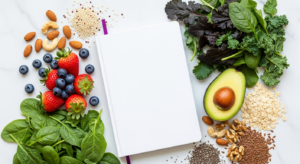
- Mindful Breakfast: Opt for a fiber-rich breakfast. Think oatmeal with berries and flaxseeds, a smoothie packed with greens and a probiotic boost (like kefir), or eggs with a side of avocado and spinach.
Mid-Day & Afternoon Habits
- Prebiotic Power Lunch: Incorporate prebiotic-rich foods into your lunch. A salad with asparagus and onions, a lentil soup, or a whole-grain wrap with hummus and diverse veggies.
- Stay Hydrated: Keep a water bottle handy and sip throughout the day. Herbal teas (ginger, peppermint, chamomile) can also be soothing for the gut.
- Mindful Snacking: If you need a snack, choose gut-friendly options like an apple with almond butter, a handful of nuts, or a small serving of fermented vegetables.
- Stress Breaks: Take short breaks to de-stress. A few deep breaths, a quick walk outside, or a moment of quiet reflection can significantly benefit your gut-brain axis.
Evening Routine for Gut Restoration
- Diverse Dinner: Aim for a balanced dinner with lean protein, plenty of non-starchy vegetables, and a healthy fat. Experiment with different colors and types of vegetables to maximize microbial diversity.
- Fermented Food Inclusion: Add a serving of fermented food to your dinner, such as a side of sauerkraut or kimchi, or a small glass of kombucha.
- Limit Late-Night Eating: Give your digestive system a break before bedtime. Aim to finish eating at least 2-3 hours before you go to sleep.
- Wind Down: Prioritize sleep. Create a relaxing bedtime routine: dim lights, read a book, take a warm bath, or practice gentle stretching. Avoid screens for at least an hour before bed. A well-rested body supports a healthy gut, which in turn fuels your energy for all aspects of life, including creating a pleasant home environment, perhaps inspired by Kid Friendly Home Decor Ideas for a harmonious family space.
Weekly & Ongoing Practices
- Meal Planning: Plan your meals to ensure a consistent intake of fiber, prebiotics, and probiotics. This helps maintain consistency and prevents impulsive unhealthy choices.
- Experiment with New Foods: Regularly introduce new plant-based foods to broaden your gut microbiome’s diversity.
- Manage Antibiotic Use: If antibiotics are necessary, discuss gut support strategies with your doctor, including probiotics taken at a different time of day.
- Listen to Your Body: Pay attention to how different foods and activities make you feel. Keep a food and symptom journal if you’re trying to identify triggers.
- Seek Professional Guidance: If you have persistent gut issues, consult a healthcare provider, ideally a functional medicine practitioner or registered dietitian, to create a personalized plan.
By integrating these practical steps into your daily and weekly routines, you’re not just improving your gut health; you’re investing in a more energetic, balanced, and resilient you. Remember, consistency is more important than perfection. Every small, positive change contributes to a healthier gut and a happier life in 2026 and beyond.
Frequently Asked Questions
Recommended Resources
Check out Cozy Home Aesthetic Ideas on Rock Salt Plum for a deeper dive.
You might also enjoy Celebrity Morning Routine Habits For Success from Celebrity Exchange.
From Our Network
- how to practice mindfulness at work without meditating (en Thecontextuallife)
- self-care ideas at home (en Rocksaltplum)