
The Foundation of Family Meal Planning: Why It Matters More Than Ever
In the dynamic landscape of 2026, where demands on women’s time and energy continue to grow, the strategic act of meal planning for a family of 4 isn’t just a convenience; it’s a cornerstone of holistic well-being. For the primary caregiver, often a woman, the mental load of daily meal decisions can be immense. Constantly pondering what to cook, if you have the ingredients, and how to satisfy everyone’s preferences leads to decision fatigue, a significant drain on mental resources. This constant stress can have tangible impacts on overall health, making effective meal planning a crucial component of Womens Health Tips Every Woman Should Know.
Beyond the Plate: Unpacking the Benefits of Intentional Meal Planning
- Reduced Stress and Mental Load: Imagine knowing exactly what’s for dinner days in advance, with all ingredients ready to go. This eliminates the frantic last-minute scramble, decision paralysis, and the dreaded question, “What do you want to eat?” By front-loading the decision-making process, you free up mental bandwidth for other priorities, whether it’s focused work, quality time with your children, or simply enjoying a moment of peace.
- Improved Family Nutrition: When you plan meals, you naturally become more intentional about incorporating a variety of fruits, vegetables, whole grains, and lean proteins. This proactive approach ensures your family of four receives a balanced diet, supporting growth, energy, and overall health. It allows you to consciously address specific nutritional needs, such as ensuring adequate iron for growing children or incorporating nutrient-dense foods vital for women’s reproductive health.
- Significant Cost Savings: Impulse grocery purchases and frequent takeout or delivery meals can quickly decimate a family budget. Meal planning allows you to create a shopping list based on planned meals, reducing unnecessary buys and preventing food waste. You can strategically plan meals around sales, use ingredients efficiently, and avoid expensive last-minute solutions. For a family of four, these savings can be substantial over time.
- Time Efficiency: While the initial planning takes some time, it saves hours in the long run. Fewer trips to the grocery store, streamlined cooking processes (especially with batch cooking), and less time spent deliberating over meals mean more time for family activities, personal hobbies, or simply relaxing. This efficiency is invaluable for busy women striving to maintain a balanced life.
- Reduced Food Waste: When you know exactly what you’re cooking and when, you buy only what you need. This minimizes spoilage and contributes to a more sustainable household. It also encourages creative use of leftovers, transforming them into new meals rather than tossing them out.
- Empowering Healthy Habits: By consistently providing healthy, home-cooked meals, you model positive eating habits for your children. They learn about balanced nutrition, different food groups, and the joy of sharing meals together. This foundation can instill lifelong healthy eating patterns.
Embracing meal planning is an investment in your family’s health and happiness, and crucially, in your own well-being. It’s an act of taking control, creating order, and fostering a more harmonious home environment. As we delve deeper, remember that the goal is not perfection, but progress and sustainability in your kitchen.
Assessing Your Family’s Culinary Landscape: The First Step to a Successful Plan
Before you even think about recipes, the most crucial step in learning how to meal plan for a family of 4 is to thoroughly understand your family’s unique dietary environment. This involves taking an honest inventory of needs, preferences, limitations, and resources. Skipping this foundational assessment often leads to frustration and plans that quickly fall apart.
Understanding Your Family’s Unique Profile
- Dietary Needs and Restrictions:
- Allergies and Intolerances: This is non-negotiable. Clearly list any food allergies (e.g., peanuts, dairy, gluten) or intolerances within your family. These must be prioritized and carefully avoided.
- Health-Related Diets: Does anyone in your family have specific health conditions that require a particular diet (e.g., diabetic-friendly, low sodium, GERD-friendly)? Factor these in from the outset.
- Vegetarian, Vegan, or Other Lifestyle Choices: If a family member follows a specific eating pattern, your meal plan needs to accommodate it, either by planning entirely plant-based meals or incorporating options for both.
- Preferences and Aversions:
- Favorite Meals: What does everyone genuinely love to eat? Include these regularly to ensure enthusiasm and reduce resistance.
- Least Favorite Foods: While encouraging variety, it’s wise to limit or avoid ingredients that consistently lead to complaints, especially when starting out.
- Picky Eaters: For families with young children or particularly selective eaters, strategize how to incorporate familiar elements or “hide” vegetables. We’ll dive deeper into this later.
- Budget Considerations:
- Setting a Weekly/Monthly Food Budget: Determine a realistic amount you can comfortably spend on groceries. This will significantly influence your meal choices, encouraging you to prioritize affordable ingredients, seasonal produce, and home cooking over convenience foods.
- Tracking Expenses: For the first few weeks, track your spending to see if your plan aligns with your budget. Adjust as needed.
- Time Availability and Cooking Skill Level:
- Weeknight Realities: Be honest about how much time you genuinely have to cook on busy weeknights. Are you looking for 30-minute meals, or do you have an hour?
- Weekend Opportunities: Do you have more time on weekends for batch cooking or more elaborate recipes? Leverage these periods.
- Cooking Skills: Choose recipes that align with your current cooking abilities and comfort level. Don’t overcommit to complex dishes if you’re a beginner.
- Kitchen Equipment and Storage:
- Available Appliances: Do you have a slow cooker, instant pot, air fryer, food processor? These can be game-changers for efficiency.
- Pantry and Fridge Space: Consider how much storage you have for bulk purchases or meal prep components.
Involving the Family: A Collaborative Approach
Meal planning for a family of 4 shouldn’t be a solo mission. Involving everyone, even young children, fosters ownership and reduces resistance.
- Hold a Family Food Meeting: Once a week or month, gather your family to discuss meal ideas. Ask everyone for 1-2 meal suggestions. This gives everyone a voice and ensures variety.
- Delegate Age-Appropriate Tasks: Children can help with simple tasks like washing vegetables, setting the table, or even choosing a side dish. Teenagers can take on more complex cooking tasks or be responsible for one meal a week.
- Educate About Nutrition: Use meal planning as an opportunity to teach children about balanced eating, different food groups, and where food comes from.
By thoroughly assessing these factors, you create a realistic and sustainable foundation for your meal plan. This personalized approach is key to developing a system that truly works for your family of four, making the process enjoyable rather than a source of stress.
Crafting Your Meal Planning Strategy: Methods for Success
Once you understand your family’s culinary landscape, the next step in learning how to meal plan for a family of 4 is to select and implement strategies that align with your lifestyle. There’s no one-size-fits-all approach, and the best plan is one you can consistently stick to. The right strategy can significantly contribute to a woman’s overall well-being, reducing decision fatigue and ensuring consistent, nourishing meals, which are vital Womens Health Tips Every Woman Should Know.
Choosing Your Planning Method
- Weekly Planning: The Most Popular Choice
- How it works: Plan all meals (breakfast, lunch, dinner, snacks) for the upcoming week.
- Pros: Offers good flexibility, allows for fresh ingredients, and is easy to adjust if schedules change. Great for beginners.
- Cons: Requires weekly dedication to planning and shopping.
- Bi-Weekly Planning: For Slightly More Efficiency
- How it works: Plan meals for two weeks at a time, often with a larger grocery shop every two weeks.
- Pros: Reduces planning and shopping frequency. Can save time if you have good storage.
- Cons: Requires more foresight and larger storage space for groceries. Less flexibility for last-minute changes.
- Monthly Planning: For the Highly Organized
- How it works: Plan an entire month’s worth of meals, often rotating through a set repertoire.
- Pros: Maximizes efficiency, significantly reduces decision fatigue, great for bulk purchasing.
- Cons: Least flexible, requires excellent pantry management, and a larger freezer. Best for experienced meal planners.
- “Theme Night” Planning: Fun and Simple
- How it works: Assign a theme to each night of the week (e.g., Meatless Monday, Taco Tuesday, Pasta Wednesday, Stir-fry Thursday, Pizza Friday, Soup Saturday, Roast Sunday).
- Pros: Simplifies decision-making, adds fun and variety, easy for kids to anticipate.
- Cons: Can become monotonous if themes aren’t varied enough.
Key Strategies to Supercharge Your Plan
- Batch Cooking & Freezer Meals: Your Time-Saving Allies
- The Concept: Dedicate a block of time (e.g., a Sunday afternoon) to prepare large quantities of certain components or entire meals that can be used throughout the week or frozen for later.
- Examples:
- Cook a large batch of grains (quinoa, brown rice) for multiple meals.
- Chop all vegetables for the week’s stir-fries, salads, and snacks.
- Prepare a double batch of chili, soup, or lasagna; eat one, freeze one.
- Marinate meats or prepare smoothie packs.
- Benefits: Drastically reduces active cooking time on busy weeknights, ensures healthy options are always available, and helps manage food waste.
- Leveraging Leftovers: Smart Eating and Budgeting
- Planned Leftovers: Deliberately cook extra portions of dinner to serve as lunch the next day, or even as a base for a different meal. For a family of 4, this is an excellent way to ensure everyone has a healthy lunch without extra effort.
- Transformative Leftovers: Don’t just reheat! Turn leftover roasted chicken into chicken salad, stir-fry, or tacos. Leftover rice can become fried rice. Cooked vegetables can be added to omelets or frittatas.
- Benefits: Reduces food waste, saves money, provides quick and easy meals.
- Building a Recipe Repertoire: Your Go-To List
- Create a Master List: Compile a list of 20-30 tried-and-true, family-favorite recipes that you know how to make and everyone enjoys. Categorize them (e.g., quick weeknight, slow cooker, vegetarian, comfort food).
- Rotate and Refresh: Regularly rotate through this list to keep things interesting. Periodically add one new recipe to try, but don’t overwhelm yourself.
- Benefits: Eliminates the constant search for new ideas, builds confidence in the kitchen, and ensures reliable meal successes.
- Pantry and Freezer Staples: Your Emergency Backup
- Maintain a Well-Stocked Pantry: Keep essential non-perishable items on hand (pasta, rice, canned goods, spices, oils) to form the base of quick meals.
- Utilize Your Freezer: Stock frozen vegetables, fruits, proteins (chicken breasts, ground meat), and pre-made freezer meals. These are lifesavers when plans go awry or you’re short on time.
- Benefits: Provides flexibility, enables quick meal assembly, and reduces reliance on takeout when you’re low on fresh ingredients.
By thoughtfully choosing and combining these strategies, you can develop a meal planning system that not only feeds your family of four but also enhances your peace of mind and overall health. Remember, consistency beats perfection. Start simple, find what works, and gradually build upon your successes.
Building a Balanced & Nutritious Menu: Fueling Your Family of 4
Meal planning for a family of 4 isn’t just about efficiency and saving money; it’s fundamentally about nourishing your loved ones. A well-constructed meal plan provides balanced nutrition, supports energy levels, and promotes long-term health. For women, especially those considering or actively working on Fertility Health Tips Women Trying Conceive, the emphasis on nutrient-dense foods, whole grains, and healthy fats becomes even more critical.
The Pillars of a Healthy Family Diet
When designing your menu, aim for a plate that reflects variety and balance across the major food groups:
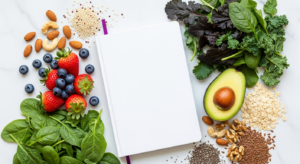
- Fruits and Vegetables: The Micronutrient Powerhouses
- Aim for Color and Variety: Encourage your family to “eat the rainbow.” Different colors indicate different antioxidants and nutrients.
- Incorporation Strategies:
- Add spinach to smoothies or scrambled eggs.
- Offer fruit as snacks and dessert.
- Serve two different vegetables with dinner.
- Roast vegetables to bring out their natural sweetness, making them more appealing.
- Significance: Rich in vitamins, minerals, fiber, and antioxidants, essential for immune function, digestion, and disease prevention. For fertility, specific nutrients like folate (found in leafy greens) and Vitamin C (berries, citrus) are crucial.
- Whole Grains: Sustained Energy and Fiber
- Choose Whole Over Refined: Opt for brown rice, quinoa, whole wheat pasta, whole grain bread, and oats instead of white varieties.
- Benefits: Provide complex carbohydrates for sustained energy, fiber for digestive health, and B vitamins. The slow release of energy helps prevent sugar spikes and crashes, which is beneficial for overall hormonal balance and energy levels in women.
- Lean Proteins: Building Blocks for Growth and Repair
- Sources: Chicken, turkey, fish, lean beef, pork, eggs, legumes (beans, lentils), tofu, tempeh, nuts, and seeds.
- Importance: Essential for muscle growth and repair, hormone production, and satiety. For women trying to conceive, adequate protein intake is vital for egg quality and overall reproductive health.
- Variety is Key: Rotate protein sources to ensure a wide spectrum of amino acids and other nutrients.
- Healthy Fats: Essential for Brain and Body
- Sources: Avocados, nuts, seeds (chia, flax, hemp), olive oil, fatty fish (salmon, mackerel), and eggs.
- Role: Crucial for brain development, hormone production, nutrient absorption (especially fat-soluble vitamins A, D, E, K), and reducing inflammation. Omega-3 fatty acids, abundant in fatty fish, are particularly important for women’s health, including fertility and mood regulation.
- Moderation: While healthy, fats are calorie-dense, so portion control is important.
- Dairy or Dairy Alternatives: Calcium and Vitamin D
- Sources: Milk, yogurt, cheese, or fortified plant-based alternatives (almond, soy, oat milk).
- Benefits: Provide calcium for strong bones and teeth, and often fortified with Vitamin D, which is important for bone health and immune function.
Beyond the Main Meal: Snacks and Hydration
- Smart Snacking: Plan for 1-2 healthy snacks daily to bridge the gap between meals and prevent overeating. Examples include fruit with nut butter, yogurt with berries, vegetable sticks with hummus, or a handful of nuts. Avoid highly processed, sugary snacks.
- Hydration is Paramount: Encourage water as the primary beverage for everyone in the family. Limit sugary drinks, juices, and sodas. Keep water bottles accessible and offer water with every meal. Proper hydration is fundamental for all bodily functions and often overlooked in daily meal planning.
Integrating Specific Nutritional Goals
When meal planning for a family of 4, you can subtly integrate specific health goals:
- For General Women’s Health: Focus on iron-rich foods (lean meats, leafy greens, fortified cereals) to prevent anemia, and calcium/Vitamin D for bone density. Incorporate foods rich in antioxidants to support cellular health.
- For Fertility Health: Emphasize whole, unprocessed foods, healthy fats (avocado, olive oil, nuts), lean proteins, and a wide array of fruits and vegetables. Reduce trans fats, excessive sugar, and highly processed items. Look for foods rich in folate, zinc, iron, and Omega-3s. A diet rich in plant-based proteins, whole grains, and monounsaturated fats has been linked to improved fertility outcomes.
By consciously building a balanced and nutritious menu, you create a powerful foundation for your family’s health, ensuring everyone from the youngest child to the adults receives the vital nutrients needed to thrive in 2026 and beyond.
Streamlining the Process: Shopping, Prep, and Execution
Once your meal plan is crafted and your menu is set, the efficiency of your grocery shopping, meal preparation, and cooking execution becomes paramount. This is where the theoretical plan truly translates into practical time and stress savings for a family of 4. Think of your kitchen and meal planning strategy as a well-organized family home office – a functional space where efficiency and foresight lead to productive outcomes.
1. Creating a Smart Shopping List
Your shopping list is your roadmap to the grocery store. A well-organized list saves time, prevents impulse buys, and ensures you don’t forget anything crucial.
- Categorize Your List: Group items by store section (produce, dairy, meat, pantry, frozen). This allows you to navigate the store efficiently and avoid backtracking.
- Check Your Inventory First: Before writing anything down, do a quick audit of your pantry, fridge, and freezer. Cross off items you already have. This prevents unnecessary purchases and food waste.
- Be Specific: Instead of “chicken,” write “2 lbs boneless, skinless chicken breasts.” Instead of “milk,” write “1 gallon 2% milk.”
- Digital Tools: Consider using a digital shopping list app (e.g., AnyList, Cozi, Google Keep). These often allow for shared lists, automatic categorization, and easy reordering of staples.
- Add Non-Food Essentials: Don’t forget household items, toiletries, or pet food if you’re doing a big shop.
2. Effective Grocery Shopping Tips
With your smart list in hand, you’re ready to tackle the grocery store.
- Stick to Your List: This is the golden rule. Avoid browsing aisles not on your list, as this often leads to impulse purchases that derail your budget and meal plan.
- Shop During Off-Peak Hours: If possible, shop when the store is less crowded. This makes for a more pleasant and quicker experience.
- Utilize Sales and Coupons: Plan your meals around what’s on sale. Check store flyers and digital coupons before you go.
- Buy in Bulk (Strategically): For non-perishables or freezable items that you use frequently (e.g., rice, pasta, frozen vegetables, ground meat), buying in larger quantities can save money, but only if you have the storage space and will genuinely use it before it spoils.
- Consider Online Grocery Shopping/Curbside Pickup: For many busy parents, this is a game-changer. It saves significant time, reduces impulse buys, and allows for precise budget control.
- Check Unit Prices: Compare the cost per unit (e.g., per ounce, per pound) to determine the best value, especially for staples.
3. Meal Prep Techniques: The Art of Ahead-of-Time Efficiency
Meal prepping is the secret weapon for making weeknight cooking a breeze. Dedicate 1-2 hours on a less busy day (e.g., Sunday afternoon) to get a head start.
- Wash and Chop Produce: Wash all fruits and vegetables. Chop onions, bell peppers, carrots, and other common ingredients for the week’s meals. Store them in airtight containers.
- Pre-Cook Grains: Cook a large batch of quinoa, brown rice, or farro. These can be used as sides, in salads, or as a base for bowls throughout the week.
- Cook Proteins: Grill, bake, or shred chicken breasts. Cook ground meat. Hard-boil eggs. These versatile proteins can be added to salads, sandwiches, wraps, or quick dinners.
- Prepare Dressings and Sauces: Whisk together salad dressings or prepare marinades in advance.
- Assemble Components: For certain meals, you can pre-assemble parts. For example, prepare smoothie packs with fruit and spinach, ready for blending. Layer ingredients for a lasagna that can be baked later.
- Portioning: Divide cooked components into individual portions for easy grab-and-go lunches or quick dinner assembly.
4. Kitchen Organization for Seamless Execution
An organized kitchen is an efficient kitchen, much like a well-structured family home office. When everything has its place, cooking becomes less chaotic and more enjoyable.
- Designated Zones: Create zones for different activities: a prep zone near the cutting board, a cooking zone around the stove, a baking zone for ingredients and tools.
- Pantry and Fridge Organization: Keep your pantry and fridge tidy. Store similar items together. Use clear containers for dry goods to easily see what you have. Label leftovers with dates.
- Tool Accessibility: Store frequently used cooking tools and utensils within easy reach.
- Clean as You Go: Practice cleaning up small messes as you cook. This prevents a daunting cleanup job at the end of the meal.
- Meal Planning “Command Center”: Designate a small area – perhaps a corner of your kitchen counter or a bulletin board – where you keep your meal plan, grocery list, and favorite recipes. This central hub functions much like a well-organized desk in a home office, ensuring all important information is readily accessible and contributing to a smooth workflow.
By investing a little time in these streamlining strategies, you’ll find that the actual act of cooking for your family of 4 becomes less of a chore and more of a natural, enjoyable part of your daily routine. This efficiency not only feeds your family but also frees up valuable time and mental energy, empowering you to thrive in all aspects of your life.
Overcoming Common Meal Planning Hurdles for a Family of 4
Even the most meticulously crafted meal plan can face challenges. Life with a family of 4 is inherently unpredictable, and encountering hurdles is part of the journey. The key to sustainable meal planning isn’t avoiding problems, but learning how to navigate them with flexibility and resilience.
1. Conquering the Picky Eater Predicament
This is arguably the most common and frustrating challenge when meal planning for families. Here’s how to approach it:
- One Meal, Deconstructed: Instead of making separate meals, offer components of the main meal separately. For example, if you’re having chicken stir-fry, serve the chicken, rice, and vegetables individually. The picky eater can choose what they’ll eat, while others enjoy the combined dish.
- “Exposure, Not Expectation”: Consistently offer new or disliked foods in small portions alongside familiar favorites. Don’t pressure them to eat it, but encourage them to touch, smell, or even take a tiny “no-thank-you bite.” Repeated, low-pressure exposure increases acceptance over time.
- Involve Them in the Process: Let picky eaters help choose a recipe (from a pre-approved list), shop for ingredients, or assist with simple prep tasks. Children are often more willing to eat what they’ve helped prepare.
- “Sneaky” Nutrition: Blend vegetables into sauces (e.g., pureed carrots or zucchini in pasta sauce), add spinach to smoothies, or use finely chopped mushrooms in ground meat dishes.
- The “One New Rule”: Introduce only one new food or unfamiliar dish per week. This prevents overwhelm and allows for gradual adaptation.
- Don’t Be a Short-Order Cook: While accommodating preferences is good, avoid becoming a restaurant that makes a different meal for every family member. Offer healthy choices, and let them decide how much of each to eat. They won’t starve.
2. Adapting to Unexpected Schedule Changes
Life happens! Sports practices get rescheduled, work meetings run late, or someone gets sick. Your meal plan needs to be flexible.
- The “Emergency Meal” Strategy: Have 2-3 super-fast, no-brainer meals always ready to go. These could be frozen pizzas (with added veggies), pasta with a pre-made sauce, or quesadillas.
- Swap Days: If a planned meal requires more time than you suddenly have, swap it with an easier meal later in the week, or one of your emergency meals.
- Leverage Your Freezer: This is where batch-cooked and frozen meals become invaluable. Pull out a pre-made lasagna or chili on a chaotic night.
- Quick Adjustments: If a recipe calls for fresh herbs you don’t have, use dried. If you’re out of one vegetable, swap it for another you have on hand. Don’t let small deviations derail the entire plan.
- Embrace Leftovers:
Recommended Resources
Related reading: How To Dress For Your Body Shape Complete Guide (The Contextual Life).
Check out Kitchen Organization Ideas on Rock Salt Plum for a deeper dive.