Understanding PMS: Decoding Your Monthly Rhythms
Before diving into natural management strategies, it’s crucial to understand what PMS is and why it occurs. PMS refers to a collection of physical and psychological symptoms linked to the menstrual cycle. These symptoms typically appear during the luteal phase (the time between ovulation and menstruation) and subside shortly after menstruation begins. While the exact cause of PMS is not fully understood, it is widely believed to be related to the fluctuating levels of hormones, particularly estrogen and progesterone, which occur after ovulation. These hormonal shifts can impact neurotransmitters in the brain, such as serotonin, which plays a key role in mood, sleep, and appetite. Other contributing factors may include nutritional deficiencies, stress, genetics, and even certain medical conditions.
The array of PMS symptoms is vast and can vary significantly from woman to woman, and even cycle to cycle. Common physical symptoms include breast tenderness, bloating, fluid retention, headaches, backaches, joint or muscle pain, fatigue, sleep disturbances, and changes in appetite (often cravings for specific foods). Emotionally and psychologically, women may experience irritability, mood swings, anxiety, depression, difficulty concentrating, feelings of being overwhelmed, increased sensitivity, and changes in libido. For some women, these symptoms are mild and manageable, while for others, they can be severe enough to disrupt work, school, and social activities. This more intense form is known as Premenstrual Dysphoric Disorder (PMDD), which requires more targeted intervention and often professional support. Recognizing your unique pattern of symptoms is the first step towards effective natural management, allowing you to tailor strategies that truly resonate with your body’s needs. Understanding your body’s signals and being proactive about addressing them is a fundamental aspect of overall wellness, much like the diligent self-care practices advocated in a comprehensive Postpartum Recovery Guide New Moms often rely on.
Nutritional Powerhouses: Fueling Your Body for PMS Relief
What you eat plays a profound role in how your body functions, and this is especially true when it comes to managing hormonal fluctuations and reducing PMS symptoms. A balanced, nutrient-rich diet can be one of your most powerful allies. Focusing on whole, unprocessed foods, and ensuring adequate intake of specific vitamins and minerals can make a significant difference in alleviating discomfort and stabilizing mood. Think of your plate as a prescription for wellness, designed to support your endocrine system and nervous system during the challenging premenstrual phase.
Complex Carbohydrates for Stable Mood and Energy
- Why they help: Complex carbohydrates, found in whole grains, vegetables, and legumes, help stabilize blood sugar levels and promote the production of serotonin, a “feel-good” neurotransmitter. Stable blood sugar can prevent energy crashes and mood swings often associated with PMS.
- Sources: Oats, brown rice, quinoa, whole-wheat bread and pasta, sweet potatoes, lentils, beans, and starchy vegetables.
Magnesium: The Muscle Relaxer and Mood Stabilizer
- Why it helps: Magnesium is a vital mineral involved in over 300 biochemical reactions in the body. It’s known for its ability to relax muscles, reduce anxiety, improve sleep, and alleviate headaches and bloating. Many women with PMS are found to be deficient in magnesium.
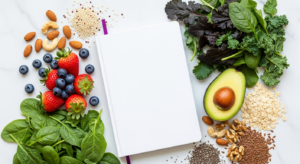
- Sources: Dark leafy greens (spinach, kale), nuts (almonds, cashews), seeds (pumpkin, chia), legumes, dark chocolate, avocados, and whole grains. Consider a high-quality magnesium supplement (e.g., magnesium glycinate or citrate) if dietary intake is insufficient, especially during the luteal phase.
Calcium and Vitamin D: Bone Health and Beyond
- Why they help: Research suggests that adequate calcium intake can significantly reduce the severity of many PMS symptoms, including mood swings, bloating, and cramps. Vitamin D, often called the “sunshine vitamin,” is crucial for calcium absorption and also plays a role in mood regulation and reducing inflammation.
- Sources: Dairy products (yogurt, milk, cheese – if tolerated), fortified plant milks, leafy greens (collard greens, spinach), fortified cereals, and salmon. For Vitamin D, safe sun exposure, fatty fish, and fortified foods are key. A supplement may be necessary, especially in regions with limited sunlight or for those with dietary restrictions.
Vitamin B6: The Hormone Helper
- Why it helps: Vitamin B6 (pyridoxine) is essential for the production of neurotransmitters like serotonin and dopamine, which regulate mood. It also plays a role in liver detoxification of excess hormones, potentially helping to balance estrogen levels. Studies have shown B6 to be effective in reducing breast tenderness, irritability, and depression associated with PMS.
- Sources: Chicken, fish, potatoes, bananas, chickpeas, fortified cereals, and avocados.
Omega-3 Fatty Acids: The Anti-Inflammatory Powerhouses
- Why they help: Omega-3s, particularly EPA and DHA, are potent anti-inflammatory agents. They can help reduce prostaglandin production, which is linked to menstrual cramps and breast pain. They also support brain health and mood stability.
- Sources: Fatty fish (salmon, mackerel, sardines), flaxseeds, chia seeds, walnuts, and omega-3 supplements (fish oil or algal oil for vegans).
Limiting the Culprits: Foods to Reduce or Avoid
- Caffeine: Can exacerbate anxiety, irritability, and breast tenderness.
- Alcohol: Disrupts sleep, dehydrates, and can worsen mood swings and fatigue.
- Refined Sugar and Processed Foods: Lead to blood sugar spikes and crashes, worsening mood and energy levels.
- Excess Salt: Contributes to bloating and fluid retention.
- Trans Fats and Saturated Fats: Can promote inflammation and interfere with hormone balance.
By consciously choosing foods that nourish and support your body, you lay a strong foundation for managing PMS symptoms naturally. This dietary approach is not just a temporary fix but a sustainable lifestyle change that promotes overall health and vitality, making it a cornerstone of comprehensive wellness.
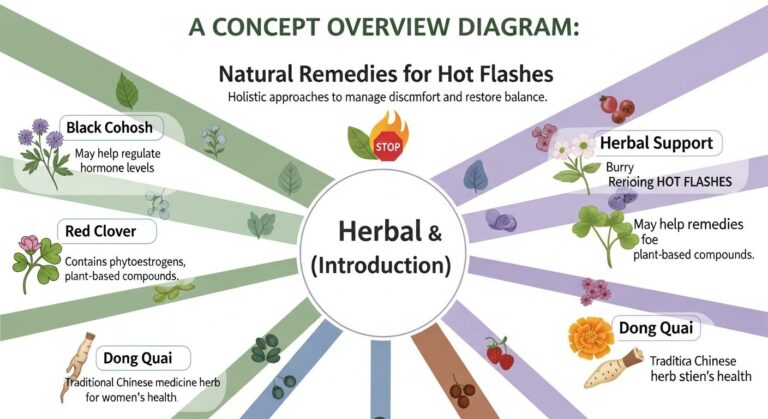
Herbal Allies: Nature’s Pharmacy for Hormonal Balance
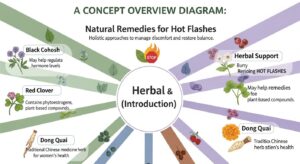
Chasteberry (Vitex agnus-castus): The Hormone Regulator
- Why it helps: Chasteberry is perhaps the most well-researched herb for PMS. It doesn’t contain hormones itself but acts on the pituitary gland, which helps regulate other hormones. Specifically, it’s believed to increase progesterone levels and reduce elevated prolactin, addressing a common hormonal imbalance associated with PMS and PMDD. It’s particularly effective for breast tenderness, mood swings, irritability, and headaches.
- How to use: Typically taken as a standardized extract or tincture daily, often in the morning. It can take 2-3 cycles to see significant improvements.
Evening Primrose Oil (EPO): For Breast Tenderness and Inflammation
- Why it helps: EPO is rich in gamma-linolenic acid (GLA), an omega-6 fatty acid that the body converts into prostaglandins, which have anti-inflammatory effects. It’s widely used to reduce breast tenderness, inflammation, and skin issues (like premenstrual acne).
- How to use: Available in capsule form. It may take a couple of months to notice full benefits.
St. John’s Wort (Hypericum perforatum): For Mood-Related Symptoms
- Why it helps: St. John’s Wort is a well-known herbal antidepressant that can be beneficial for women experiencing significant mood swings, anxiety, and depression during their luteal phase. It works by influencing neurotransmitters like serotonin.
- Important note: St. John’s Wort can interact with many medications, including birth control pills, antidepressants, and blood thinners. Always consult a healthcare provider before using it.
Dong Quai (Angelica sinensis): The “Female Ginseng”
- Why it helps: A staple in Traditional Chinese Medicine, Dong Quai is often used to help regulate the menstrual cycle, reduce cramps, and alleviate fatigue. It’s believed to have antispasmodic properties and to improve blood flow to the pelvic region.
- How to use: Available in various forms, including capsules and tinctures. Not recommended during pregnancy or if you have heavy bleeding.
Ginger (Zingiber officinale): The Anti-Inflammatory Root
- Why it helps: While primarily known for nausea relief, ginger is a powerful anti-inflammatory and analgesic (pain-relieving) herb. It can be highly effective for reducing menstrual cramps, bloating, and even headaches associated with PMS.
- How to use: Enjoy as a tea (fresh ginger steeped in hot water), add to meals, or take as a supplement.
Dandelion (Taraxacum officinale): Natural Diuretic
- Why it helps: Dandelion leaf is a natural diuretic, meaning it helps the body shed excess fluid. This can be beneficial for reducing bloating and fluid retention commonly experienced with PMS. It also supports liver health, which is important for hormone metabolism.
- How to use: Available as tea, tincture, or capsules.
When selecting herbal remedies, quality matters. Look for reputable brands that provide standardized extracts and third-party testing. Remember that consistency is key with herbal medicine; many herbs require several weeks or months of regular use to exert their full effects. Integrating these natural allies into your routine can provide profound relief and foster a deeper connection to your body’s innate healing capabilities.
Mind-Body Connection: Stress Reduction & Emotional Well-being
The link between our mental and emotional states and our physical health is undeniable, and this connection is particularly pronounced when it comes to PMS. Stress, anxiety, and unresolved emotional issues can exacerbate premenstrual symptoms, creating a vicious cycle of discomfort and distress. Cultivating practices that promote relaxation, emotional resilience, and a positive mindset is not just a luxury; it’s an essential component of natural PMS management. By nurturing your mind and spirit, you empower your body to find balance.
Mindfulness & Meditation: Cultivating Inner Calm
- Why they help: Mindfulness involves focusing on the present moment without judgment, while meditation is a practice of training the mind to achieve a state of relaxed awareness. Both can significantly reduce stress hormones (like cortisol), calm the nervous system, improve mood, and enhance your ability to cope with discomfort. Regular practice can lessen the intensity of emotional PMS symptoms like irritability, anxiety, and mood swings.
- How to practice: Even 5-10 minutes a day can make a difference. Use guided meditations (apps like Calm or Headspace are excellent resources), focus on your breath, or simply sit quietly and observe your thoughts and sensations without getting caught up in them.
Yoga & Gentle Exercise: Movement for Mood and Body
- Why they help: While intense exercise can sometimes be counterproductive during PMS (due to increased cortisol), gentle forms of movement are highly beneficial. Yoga, Pilates, walking, and swimming can improve circulation, reduce muscle tension, release endorphins (natural mood elevators), and promote relaxation. Specific yoga poses can even help relieve cramps and back pain.
- How to integrate: Aim for 30 minutes of moderate activity most days of the week. During your premenstrual phase, listen to your body and opt for restorative yoga, gentle stretching, or leisurely walks if you feel low on energy.
Adequate Sleep: The Foundation of Restoration
- Why it helps: Sleep deprivation can wreak havoc on hormones, mood, and energy levels, making PMS symptoms feel much worse. Quality sleep is crucial for cellular repair, hormone regulation, and cognitive function.
- Tips for better sleep: Establish a consistent sleep schedule, create a dark and cool bedroom environment, avoid screens an hour before bed, limit caffeine and heavy meals in the evening, and consider calming rituals like a warm bath or herbal tea before sleep.
Stress Management Techniques: Practical Approaches to Daily Pressure
- Deep Breathing Exercises: Simple yet powerful, deep diaphragmatic breathing can activate the parasympathetic nervous system, promoting relaxation and reducing acute stress.
- Journaling: Writing down your thoughts and feelings can be a therapeutic way to process emotions, identify triggers, and gain perspective on your PMS experience.
- Spending Time in Nature: Exposure to natural environments has been shown to reduce stress, improve mood, and enhance feelings of well-being.
- Creative Outlets: Engaging in hobbies like painting, music, crafting, or gardening can be a wonderful way to express emotions and de-stress.
By consciously integrating these mind-body practices into your routine, you create a buffer against the challenges of PMS. You learn to listen to your body’s signals, nurture your emotional landscape, and cultivate an inner calm that extends far beyond your menstrual cycle. These are not just strategies for managing PMS, but profound tools for lifelong emotional health and resilience.
Lifestyle Adjustments: Holistic Approaches to Symptom Management
Beyond diet, herbs, and mind-body practices, several fundamental lifestyle choices can significantly impact the severity and duration of your PMS symptoms. These adjustments focus on creating a supportive environment for your body and mind, fostering overall well-being that naturally mitigates premenstrual challenges. Embracing these holistic strategies is about more than just symptom relief; it’s about optimizing your health from the inside out.
Regular Exercise: A Powerful Mood and Pain Reliever
- Why it helps: Consistent physical activity is a cornerstone of good health and a potent antidote to PMS. Exercise releases endorphins, which are natural mood elevators and pain relievers. It can reduce bloating, improve circulation, alleviate cramps, and help manage stress. Regular movement also aids in better sleep and weight management, both of which can influence hormone balance.
- Recommendations: Aim for at least 30 minutes of moderate-intensity exercise most days of the week. This could include brisk walking, cycling, swimming, dancing, or group fitness classes. Listen to your body during your premenstrual phase; if you feel fatigued, opt for gentler activities like yoga or stretching. The key is consistency throughout your cycle, not just when symptoms hit.
Hydration: The Simple Yet Essential Remedy
- Why it helps: It might seem counterintuitive to drink more water when you’re experiencing bloating, but adequate hydration is crucial. Dehydration can actually worsen fluid retention, headaches, fatigue, and constipation – all common PMS symptoms. Water helps flush out excess sodium, supports kidney function, and keeps your digestive system moving smoothly.
- Recommendations: Drink plenty of filtered water throughout the day. Aim for at least 8 glasses (around 2 liters), and more if you’re exercising or in a hot climate. Herbal teas (like peppermint or chamomile) and water-rich fruits and vegetables can also contribute to your fluid intake.
Creating a Calming Home Environment: Your Sanctuary
- Why it helps: Your surroundings have a significant impact on your stress levels and overall well-being. A peaceful, organized, and comfortable home can serve as a sanctuary during your premenstrual phase, reducing external stressors and promoting relaxation. This is especially important when you’re trying to manage emotional symptoms like irritability or overwhelm.
- Tips for your space:
- Declutter and Organize: A tidy space can lead to a clearer mind.
- Incorporate Nature: Bring in plants or fresh flowers, or ensure you have access to natural light.
- Aromatherapy: Diffuse essential oils known for their calming properties, such as lavender, chamomile, or frankincense.
- Comfort and Aesthetics: Create a cozy reading nook or a comfortable spot for relaxation. Even if your home embraces vibrant Kid Friendly Home Decor Ideas, dedicating a small, serene corner for your self-care rituals can make a significant difference in your ability to unwind and de-stress.
- Minimize Noise and Disruptions: Use noise-canceling headphones or create quiet times for yourself.
Tracking Your Cycle: The Power of Knowledge
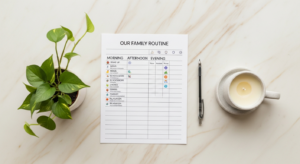
- Why it helps: Understanding your unique menstrual cycle patterns is one of the most empowering steps you can take. By tracking your symptoms (physical and emotional), cycle length, and ovulation, you can identify triggers, predict when symptoms are likely to occur, and plan your self-care strategies accordingly. This knowledge allows you to be proactive rather than reactive.
- How to track: Use a physical journal, a calendar, or one of the many available period tracking apps (e.g., Clue, Flo, Ovia). Note down symptom severity, mood changes, energy levels, sleep quality, and any dietary or lifestyle factors that seem to influence them. Over time, you’ll gain invaluable insights into your body’s rhythms and learn how to better support yourself. This proactive approach to self-monitoring is a critical part of the broader Womens Health Tips Every Woman Should Know, extending beyond just PMS management.
By thoughtfully integrating these lifestyle adjustments, you build a robust framework for managing PMS naturally. These are not quick fixes but sustainable practices that contribute to long-term health, resilience, and a greater sense of control over your body and well-being. The synergy of nutrition, herbs, mind-body work, and thoughtful lifestyle choices creates a powerful, personalized approach to living in harmony with your cycle.
Integrating Natural Strategies into Your Routine
Embarking on a journey to manage PMS naturally is a process of discovery and consistency. It’s not about finding a single magic bullet, but rather creating a synergistic approach that addresses the multifaceted nature of premenstrual symptoms. The key to success lies in mindful integration and patience, understanding that your body needs time to respond to these changes. Here at Veralyn Media, we encourage you to view this as an ongoing commitment to your well-being, rather than a temporary fix.
Start Small and Be Consistent
Overhauling your entire lifestyle overnight can feel overwhelming and unsustainable. Instead, choose one or two strategies to implement first. Perhaps start by increasing your magnesium intake and committing to a daily 15-minute walk. Once those feel natural, gradually add another element, like a nightly herbal tea or 10 minutes of meditation. Consistency is far more impactful than sporadic, intense efforts. Many of these principles of gradual, consistent self-care are echoed in a comprehensive Postpartum Recovery Guide New Moms might follow, emphasizing that sustained effort yields the best results for long-term health.
Listen to Your Body and Personalize Your Approach
Every woman’s experience of PMS is unique. What works wonders for one person might be less effective for another. Pay close attention to how your body responds to different remedies and lifestyle changes. Keep a detailed symptom journal, noting not just the severity of your symptoms but also the strategies you’re employing and their perceived effectiveness. This personalized data will be your most valuable guide in tailoring a plan that truly supports your individual needs. You might find, for example, that Chasteberry is a game-changer for your mood, while Evening Primrose Oil is particularly effective for your breast tenderness. Embrace this journey of self-discovery.
Plan Ahead for Your Luteal Phase
Once you’ve tracked your cycle and identified your premenstrual window, you can proactively plan for it. This might involve:
- Meal Prepping: Having nutrient-dense meals and snacks ready to go can prevent you from reaching for processed, sugary comfort foods when cravings hit.
- Scheduling Downtime: Block out time in your calendar for self-care activities like a warm bath, a gentle yoga session, or a quiet evening at home.
- Communicating Your Needs: Let your partner, family, or close friends know that you might need a little extra space or support during this time.
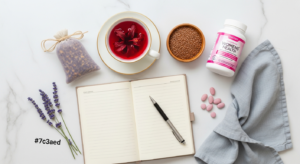
- Stocking Your “PMS Toolkit”: Have your preferred herbal teas, essential oils, magnesium supplements, and favorite comfort items readily available.
Embrace a Holistic Mindset
Remember that natural PMS management is not just about suppressing symptoms; it’s about nurturing your entire being. It’s about recognizing the interconnectedness of your physical, emotional, and mental health. When you adopt a holistic mindset, you begin to see these strategies not just as remedies for PMS, but as pillars for a vibrant, healthy life. This approach empowers you to understand your body’s wisdom and live in greater harmony with your natural rhythms. These are fundamental Womens Health Tips Every Woman Should Know, ensuring a comprehensive approach to lifelong wellness.
When to Seek Professional Guidance
While natural strategies can be incredibly effective for managing most PMS symptoms, it’s essential to recognize when professional medical advice is necessary. Self-care is powerful, but it’s not a substitute for clinical diagnosis and treatment when conditions warrant it. Veralyn Media always advocates for informed health decisions and encourages open communication with healthcare providers.
You should consider consulting a doctor or a qualified healthcare professional if:
- Your symptoms are severe and debilitating: If PMS symptoms significantly disrupt your work, relationships, or daily activities, or if you feel unable to cope. This includes severe depression, anxiety, or suicidal thoughts, which could indicate Premenstrual Dysphoric Disorder (PMDD) or an underlying mood disorder.
- Natural remedies aren’t providing sufficient relief: If, after consistently applying natural strategies for several months, you’re not experiencing a noticeable improvement in your symptoms.
- You experience symptoms that are unusual or worsening: Any new, persistent, or intensifying symptoms that concern you should be evaluated by a doctor to rule out other conditions.
- You have underlying health conditions: If you have a history of depression, anxiety, thyroid issues, endometriosis, PCOS, or other chronic health problems, it’s crucial to discuss PMS management with a doctor who can consider your full health profile.
- You are considering herbal supplements with prescription medications: As mentioned, some herbs can interact with pharmaceuticals. A healthcare provider can advise you on safe combinations.
- You are experiencing heavy or unusual bleeding: While PMS is related to hormonal fluctuations, extreme changes in bleeding patterns should always be investigated.
A doctor can help you differentiate between typical PMS and other conditions, offer additional diagnostic tests, and discuss pharmaceutical options if needed, such as hormonal birth control, antidepressants, or specific medications for pain relief. They can also refer you to specialists like endocrinologists, gynecologists, or mental health professionals. Remember, seeking professional help is a sign of strength and self-care, ensuring you receive the most appropriate and effective support for your health journey.
Managing PMS symptoms naturally is a journey of empowerment, self-discovery, and deep connection with your body’s innate wisdom. By integrating a holistic approach that encompasses nutrient-rich foods, supportive herbal allies, mindful stress reduction techniques, and conscious lifestyle choices, you can significantly reduce discomfort and reclaim your monthly well-being. At Veralyn Media, we believe that understanding and nurturing your body through its natural cycles is fundamental to living a vibrant, healthy life. Remember, consistency and patience are your greatest allies on this path, leading to lasting relief and a deeper sense of harmony. Embrace these strategies as part of your ongoing commitment to being the healthiest, happiest you, today in 2026 and for all the years to come.
Frequently Asked Questions
Recommended Resources
Check out How Celebrities Get Glowing Skin on Celebrity Exchange for a deeper dive.
Related reading: How To Style Jeans For Every Occasion (Fashion Goggled).