Understanding Your Hormonal Symphony: What Are Hormones and Why Do They Matter?
Hormones are powerful chemical substances produced by endocrine glands (such as the thyroid, adrenals, ovaries, and pancreas) that travel through the bloodstream to tissues and organs, controlling most of your body’s major systems. They regulate processes like growth and development, metabolism, reproduction, and mood. For women, key hormones include estrogen, progesterone, testosterone (yes, women have it too!), cortisol, thyroid hormones, and insulin, among others. A delicate balance is crucial, as even slight fluctuations can lead to significant health impacts.
The Intricate Dance of Estrogen and Progesterone
- Estrogen: Often considered the primary female hormone, estrogen is responsible for the development of female secondary sexual characteristics and plays a crucial role in the menstrual cycle, bone health, and cognitive function.
- Progesterone: This hormone works in tandem with estrogen, particularly important for regulating the menstrual cycle and supporting pregnancy. It also has calming effects on the brain.
When the levels of these hormones become imbalanced, symptoms like irregular periods, mood swings, weight gain, fatigue, and even fertility challenges can arise. Beyond the reproductive hormones, cortisol (the stress hormone), thyroid hormones (metabolism regulators), and insulin (blood sugar controller) also exert profound influence, and their dysregulation can mimic or exacerbate symptoms of estrogen and progesterone imbalance.
Understanding this intricate hormonal symphony is the first step towards empowering yourself with the knowledge to make informed health choices. It’s a foundational piece of the Womens Health Tips Every Woman Should Know puzzle, highlighting that internal balance is paramount for external well-being.
The Root Causes of Hormonal Imbalance in Women

Hormonal imbalances don’t typically appear overnight; they are often the cumulative result of various internal and external factors. Identifying these root causes is crucial for developing an effective, natural strategy to restore balance.
Chronic Stress: The Cortisol Culprit
In our fast-paced world, chronic stress has become an epidemic. When you’re under stress, your adrenal glands pump out cortisol, the body’s primary stress hormone. While essential for short-term “fight or flight” responses, persistently high cortisol levels can wreak havoc on your entire endocrine system. It can suppress thyroid function, disrupt ovulation, lead to insulin resistance, and even steal precursors needed to produce other vital hormones like progesterone, leading to what’s often termed “cortisol steal.”
Dietary Choices and Nutrient Deficiencies
What you eat (or don’t eat) directly impacts your hormonal health. A diet high in processed foods, refined sugars, unhealthy fats, and inflammatory ingredients can:
- Promote Inflammation: Chronic inflammation can disrupt hormone signaling and production.
- Impact Blood Sugar: Frequent spikes and crashes in blood sugar lead to insulin resistance, a common precursor to conditions like Polycystic Ovary Syndrome (PCOS).
- Deplete Nutrients: A lack of essential vitamins, minerals, and healthy fats can hinder the body’s ability to synthesize and metabolize hormones properly. For instance, magnesium, B vitamins, and zinc are critical cofactors for numerous hormonal pathways.
- Impair Gut Health: Your gut plays a crucial role in hormone detoxification and metabolism, particularly estrogen. An unhealthy gut microbiome can lead to estrogen recirculation and dominance.
Environmental Toxins and Xenoestrogens
We are constantly exposed to environmental toxins, many of which are endocrine disruptors. Xenoestrogens, found in plastics (BPA, phthalates), pesticides, conventional cosmetics, and cleaning products, mimic estrogen in the body. This can lead to a state of “estrogen dominance,” where estrogen levels are too high relative to progesterone, contributing to a host of symptoms like heavy periods, fibroids, and mood swings.
Sleep Deprivation and Circadian Rhythm Disruption
Quality sleep is non-negotiable for hormonal health. During sleep, your body repairs, detoxifies, and regulates hormones. Chronic sleep deprivation elevates cortisol, impairs insulin sensitivity, and disrupts the production of growth hormone and melatonin, the sleep hormone. Irregular sleep patterns, especially those caused by shift work or excessive screen time before bed, throw your circadian rhythm out of whack, further destabilizing your hormonal balance.
Lack of Physical Activity or Overtraining
Both extremes of exercise can negatively impact hormones. A sedentary lifestyle contributes to insulin resistance, weight gain, and poor circulation. Conversely, overtraining, especially high-intensity exercise without adequate recovery, can significantly increase cortisol levels, suppress reproductive hormones, and lead to fatigue and hormonal burnout.
Life Stages: Puberty, Pregnancy, Postpartum, Perimenopause, Menopause
Women’s bodies undergo significant hormonal shifts throughout their lives. While these are natural transitions, they can sometimes lead to imbalances. The Postpartum Recovery Guide New Moms often emphasizes the dramatic hormonal fluctuations after childbirth, where estrogen and progesterone drop precipitously, contributing to postpartum depression and fatigue. Similarly, perimenopause and menopause bring about a natural decline in reproductive hormones, which can manifest in hot flashes, sleep disturbances, and mood changes.
Nourish Your Body: Dietary Strategies for Hormonal Harmony
Embrace Whole, Unprocessed Foods
Focus on real, unprocessed foods that provide your body with the building blocks it needs. Think vibrant fruits, a rainbow of vegetables, lean proteins, and healthy fats. These foods are rich in vitamins, minerals, antioxidants, and fiber, all crucial for hormone production, metabolism, and detoxification.
Prioritize Healthy Fats
Fats are not the enemy; they are essential for hormone production. Cholesterol, a type of fat, is the precursor to all steroid hormones, including estrogen, progesterone, and cortisol. Incorporate healthy fats into your diet daily:
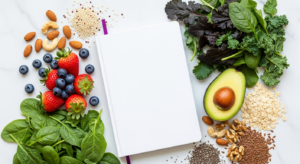
- Avocado: Rich in monounsaturated fats and fiber.
- Nuts and Seeds: Almonds, walnuts, chia seeds, flax seeds, and pumpkin seeds provide omega-3s, fiber, and lignans (which help modulate estrogen).
- Olive Oil: Extra virgin olive oil is a source of anti-inflammatory monounsaturated fats.
- Fatty Fish: Salmon, mackerel, and sardines are excellent sources of omega-3 fatty acids, which reduce inflammation and support cell membrane health.
Fiber for Detoxification and Gut Health
Fiber is paramount for hormonal balance, particularly estrogen detoxification. It binds to excess estrogen in the gut, preventing its reabsorption and promoting its elimination from the body. Adequate fiber also supports a healthy gut microbiome, which is vital for overall hormonal health. Aim for a variety of fiber sources:
- Fruits: Berries, apples, pears.
- Vegetables: Leafy greens, cruciferous vegetables (broccoli, cauliflower, Brussels sprouts), root vegetables.
- Legumes: Lentils, beans, chickpeas.
- Whole Grains: Oats, quinoa, brown rice (in moderation for some).
Quality Protein at Every Meal
Protein is essential for hormone synthesis, blood sugar regulation, and satiety. It helps stabilize blood glucose, preventing insulin spikes that can lead to hormonal imbalances. Aim for a palm-sized portion of high-quality protein at each meal:
- Lean Meats: Grass-fed beef, organic poultry.
- Wild-Caught Fish: Salmon, cod, tuna.
- Plant-Based Proteins: Lentils, chickpeas, tofu (organic, non-GMO), tempeh, quinoa.
- Eggs: A complete protein source.
Liver-Supporting Foods
Your liver is the primary organ responsible for detoxifying and metabolizing hormones. Support its function with foods like:
- Cruciferous Vegetables: Broccoli, cauliflower, cabbage, kale, Brussels sprouts contain compounds that aid in estrogen detoxification.
- Herbs and Spices: Turmeric, garlic, ginger.
- Leafy Greens: Spinach, collard greens.
Hydration is Key
Don’t underestimate the power of water. Staying well-hydrated supports all bodily functions, including hormone transport, detoxification, and cellular communication. Aim for at least 8 glasses of filtered water daily.
Foods to Limit or Avoid
- Refined Sugars and Processed Foods: These cause blood sugar spikes, inflammation, and nutrient depletion.
- Unhealthy Fats: Trans fats and excessive omega-6 rich vegetable oils (soybean, corn, sunflower) promote inflammation.
- Excessive Caffeine and Alcohol: Can disrupt sleep, stress hormones, and liver detoxification.
- Conventional Dairy and Meat: May contain hormones and antibiotics that can interfere with your own endocrine system. Opt for organic, grass-fed, or pasture-raised options.
Move Your Body, Balance Your Hormones: The Power of Exercise
Regular physical activity is a cornerstone of hormonal health, influencing everything from insulin sensitivity to stress hormone regulation. However, the type and intensity of exercise matter.
Strength Training for Metabolic Health
Building and maintaining muscle mass through strength training is incredibly beneficial for hormonal balance. Muscle tissue is metabolically active and improves insulin sensitivity, meaning your body uses glucose more efficiently. This helps prevent insulin resistance and supports healthy blood sugar levels, which is crucial for conditions like PCOS and for general energy stability. Aim for 2-3 sessions per week, focusing on compound movements that work multiple muscle groups.
Cardio for Stress Reduction and Circulation
Moderate cardiovascular exercise, such as brisk walking, cycling, or swimming, can be excellent for reducing stress hormones like cortisol and improving circulation, ensuring hormones reach their target cells efficiently. It also supports cardiovascular health and can aid in healthy weight management. Aim for 150 minutes of moderate-intensity cardio per week.
Mind-Body Practices: Yoga and Pilates
Activities like yoga, Pilates, and Tai Chi are not only good for flexibility and strength but are also powerful stress reducers. They promote mindfulness and deep breathing, which directly lowers cortisol levels and activates the parasympathetic nervous system (“rest and digest” mode). Incorporating these practices can significantly enhance your body’s ability to maintain hormonal equilibrium.
The Importance of Avoiding Overtraining
While exercise is beneficial, too much of a good thing can be detrimental. Overtraining, especially intense, prolonged cardio or HIIT without adequate recovery, can elevate cortisol levels, suppress reproductive hormones, and lead to fatigue and burnout. Listen to your body, prioritize rest days, and consider incorporating active recovery activities like gentle walks or stretching.
Finding a sustainable exercise routine that you enjoy and that supports your body, rather than depleting it, is key to leveraging movement for hormonal harmony.
Master Your Mind: Stress Management and Sleep for Hormonal Wellness
The mind-body connection is undeniable, especially when it comes to hormones. Chronic stress and poor sleep are two of the most potent disruptors of endocrine function.
Taming the Stress Response: The Cortisol Connection
As discussed, chronically elevated cortisol levels can cascade into imbalances across your entire endocrine system. Implementing effective stress management techniques is therefore critical:
- Mindfulness and Meditation: Even 10-15 minutes daily can significantly reduce stress and promote a sense of calm. Apps like Calm or Headspace can be great starting points.
- Deep Breathing Exercises: Techniques like diaphragmatic breathing can quickly activate the parasympathetic nervous system, lowering heart rate and cortisol.
- Spending Time in Nature: “Forest bathing” or simply a walk in a park has been shown to reduce stress hormones and improve mood.
- Journaling: Expressing your thoughts and feelings can be a powerful emotional release.
- Hobbies and Creative Outlets: Engaging in activities you enjoy, whether it’s painting, gardening, or playing music, can be incredibly therapeutic.
- Setting Boundaries: Learning to say no and protecting your time and energy is crucial for preventing burnout.
Prioritizing Restorative Sleep
Sleep is when your body repairs and rebalances. Chronic sleep deprivation elevates cortisol, impairs insulin sensitivity, and disrupts growth hormone and melatonin production. Aim for 7-9 hours of quality sleep per night. Here’s how to improve your sleep hygiene:
- Consistent Sleep Schedule: Go to bed and wake up at the same time every day, even on weekends.
- Create a Relaxing Bedtime Routine: A warm bath, reading a book, or gentle stretching can signal to your body that it’s time to wind down.
- Optimize Your Sleep Environment: Ensure your bedroom is dark, quiet, and cool. Blackout curtains, earplugs, and a comfortable mattress can make a big difference.
- Limit Screen Time Before Bed: The blue light emitted from phones, tablets, and computers can interfere with melatonin production. Aim to disconnect at least an hour before sleep.
- Avoid Caffeine and Heavy Meals Before Bed: These can disrupt sleep patterns.
Creating a Calming Home Environment
Your living space significantly impacts your stress levels. A cluttered, chaotic home can contribute to mental stress, while a well-organized, peaceful environment can promote calm. Designing a home environment that promotes calm, even amidst the joyful chaos of family life, can significantly contribute to stress reduction. Simple organizational strategies, perhaps inspired by Kid Friendly Home Decor Ideas, can create spaces that feel less overwhelming and more restorative for parents, indirectly supporting hormonal balance by reducing daily stressors.
Supporting Your System: Supplements and Lifestyle Habits
While diet, exercise, and stress management form the foundation of natural hormone balance, certain supplements and additional lifestyle habits can offer targeted support. Always consult with a healthcare professional before starting any new supplement regimen, especially if you have underlying health conditions or are on medication.
Key Supplements to Consider (Under Guidance)
- Magnesium: Involved in over 300 enzymatic reactions, magnesium is crucial for stress reduction, sleep quality, and blood sugar regulation. Many women are deficient.
- B Vitamins: Essential for energy production, stress response, and liver detoxification, particularly B6, B9 (folate), and B12.
- Vitamin D: More than just a vitamin, D acts like a hormone in the body, influencing mood, immunity, and reproductive health. Deficiency is widespread.
- Omega-3 Fatty Acids: Found in fish oil, these powerful anti-inflammatory fats support cell membrane health, reduce inflammation, and can positively impact mood and menstrual health.
- Adaptogenic Herbs: Herbs like Ashwagandha, Rhodiola, and Maca can help the body adapt to stress, modulating cortisol levels and supporting adrenal function. They should be used with caution and under professional supervision.
- DIM (Diindolylmethane): Derived from cruciferous vegetables, DIM supports healthy estrogen metabolism and can be beneficial for estrogen dominance.
- Probiotics: A healthy gut microbiome is crucial for hormone detoxification. Probiotic supplements can help replenish beneficial gut bacteria.
Environmental Detoxification and Lifestyle Choices
- Reduce Exposure to Endocrine Disruptors:
- Plastics: Use glass, stainless steel, or ceramic containers instead of plastic, especially for food and beverages. Avoid heating food in plastic.
- Personal Care Products: Opt for natural, organic cosmetics, shampoos, and lotions free from phthalates, parabens, and synthetic fragrances.
- Cleaning Products: Choose eco-friendly, non-toxic household cleaners or make your own with vinegar and baking soda.
- Pesticides: Choose organic produce whenever possible to minimize exposure to agricultural chemicals.
- Prioritize Self-Care: Regularly engage in activities that nourish your soul and reduce stress. This can be anything from a relaxing bath to spending time with loved ones or pursuing a creative hobby.
- Regular Health Check-ups: Schedule annual physicals and discuss any hormonal symptoms with your doctor. Regular blood tests can help identify imbalances and rule out underlying medical conditions.
- Listen to Your Body: Pay attention to your body’s signals. Symptoms like fatigue, mood swings, changes in menstrual cycle, or digestive issues are often your body’s way of telling you that something is out of balance.
By integrating these supportive habits and considering targeted supplementation under expert guidance, you can further enhance your body’s natural ability to achieve and maintain hormonal balance.
A Holistic Approach to Lasting Hormonal Balance in 2026 and Beyond
Achieving hormonal balance naturally is not about quick fixes or isolated solutions; it’s about embracing a holistic lifestyle that supports your body’s innate wisdom. It’s a journey of consistent, mindful choices that nourish your body, calm your mind, and protect you from environmental stressors. In 2026, as we continue to navigate a world full of demands, empowering ourselves with knowledge and actionable strategies for well-being becomes ever more critical.
Remember, every woman’s hormonal landscape is unique. What works for one person might need tweaking for another. The key is to be patient, listen to your body, and make gradual, sustainable changes. Don’t hesitate to seek guidance from healthcare professionals, including functional medicine doctors, naturopaths, or registered dietitians specializing in women’s health. They can provide personalized advice, conduct necessary tests, and help you navigate your path to optimal hormonal health.
By committing to these natural strategies – prioritizing nutrient-dense foods, engaging in balanced exercise, mastering stress, ensuring restorative sleep, and minimizing toxin exposure – you are not just addressing symptoms; you are building a resilient foundation for vibrant health and well-being, allowing your hormonal symphony to play in perfect harmony.
Frequently Asked Questions
Recommended Resources
For more on how to balance, see How To Create A Self Care Routine on Rock Salt Plum.
Check out How To Layer Skincare Products In The Right Order on The Contextual Life for a deeper dive.