Understanding Hormonal Imbalance: The Basics
Hormones are powerful chemical messengers produced by our endocrine glands, traveling through the bloodstream to tissues and organs, where they tell them what to do. From estrogen and progesterone, which govern the reproductive cycle, to cortisol, the stress hormone, and thyroid hormones, which regulate metabolism, each plays a vital and interconnected role. When there’s too much or too little of one or more hormones, or when their ratios are off, an imbalance occurs. This isn’t just a minor inconvenience; it can disrupt numerous bodily functions, leading to a wide spectrum of health issues.
The female body is particularly susceptible to hormonal fluctuations throughout its lifespan. Puberty, menstruation, pregnancy, postpartum, perimenopause, and menopause are all natural periods of significant hormonal shifts. However, lifestyle factors, environmental toxins, chronic stress, poor diet, and certain medical conditions can also throw these delicate systems out of whack, often earlier than expected or more severely than necessary. Recognizing that these imbalances are not inevitable but often addressable is the first step towards feeling better.
Common Hormonal Imbalance Symptoms in Women
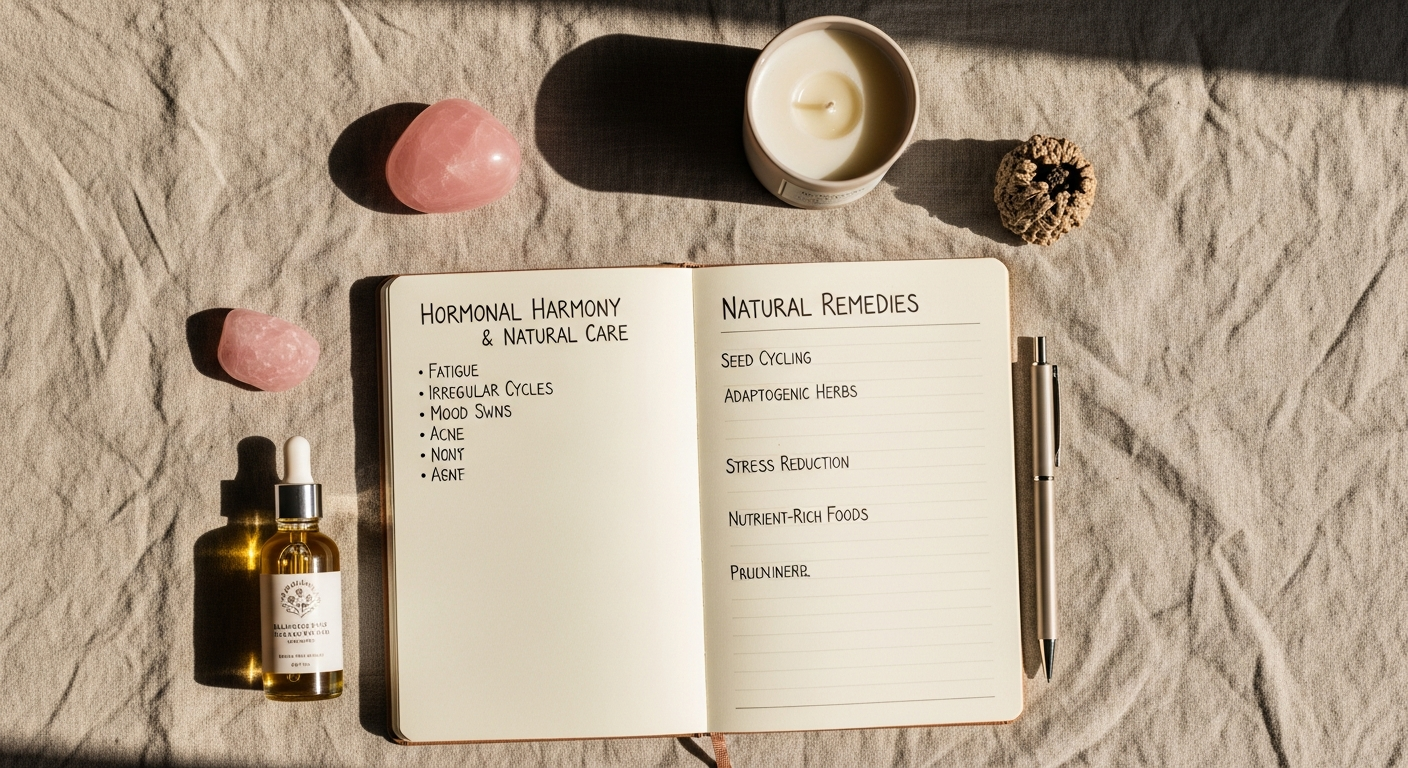
The symptoms of hormonal imbalance can be incredibly varied and often mimic other conditions, making diagnosis challenging. It’s crucial to pay attention to persistent changes in your body and mood. Here are some of the most common signs that your hormones might be out of balance:
1. Persistent Fatigue and Low Energy
- Description: This isn’t just feeling tired after a long day; it’s a deep, pervasive exhaustion that isn’t relieved by sleep. You might wake up feeling unrefreshed, struggle to concentrate, and find even simple tasks daunting.
- Hormonal Link: Often associated with low thyroid hormones (hypothyroidism), high cortisol (adrenal fatigue), or low progesterone/estrogen imbalances.
2. Unexplained Weight Gain or Difficulty Losing Weight
- Description: Despite maintaining a healthy diet and exercise routine, you may find yourself gaining weight, particularly around the abdomen, or struggling to shed pounds.
- Hormonal Link: Can be a sign of insulin resistance, low thyroid function, elevated cortisol levels (stress hormone), or estrogen dominance.
3. Mood Swings, Irritability, Anxiety, and Depression
- Description: Experiencing significant fluctuations in mood, feeling more irritable, anxious, or depressed than usual, or having difficulty managing stress.
- Hormonal Link: Fluctuations in estrogen and progesterone (especially premenstrually, postpartum, or during perimenopause), high cortisol, or imbalances in neurotransmitters influenced by hormones.
4. Irregular Periods, Heavy Bleeding, or PMS
- Description: This includes cycles that are too long or too short, missed periods, very heavy or painful bleeding, or severe premenstrual syndrome (PMS) symptoms like bloating, breast tenderness, and mood disturbances.
- Hormonal Link: Primarily linked to imbalances in estrogen and progesterone, often pointing to estrogen dominance or insufficient progesterone. Polycystic Ovary Syndrome (PCOS) is another common cause of irregular periods.
5. Skin Issues: Acne, Dryness, or Hair Loss
- Description: Adult acne, especially around the jawline, excessive facial or body hair (hirsutism), thinning hair on the scalp, or unusually dry skin can all be indicators.
- Hormonal Link: Often related to androgen excess (like testosterone in PCOS), or imbalances in thyroid hormones and estrogen.
6. Sleep Disturbances and Insomnia
- Description: Difficulty falling asleep, frequent waking during the night, or restless sleep that leaves you feeling groggy.
- Hormonal Link: Low progesterone (which has a calming effect), high cortisol at night, or declining estrogen levels during perimenopause can all disrupt sleep architecture.
7. Low Libido and Vaginal Dryness
- Description: A noticeable decrease in sex drive and discomfort during intercourse due to vaginal dryness.
- Hormonal Link: Typically associated with low estrogen and/or low testosterone levels, common during perimenopause and menopause, but can occur earlier due to other imbalances.
8. Digestive Issues
- Description: Chronic bloating, constipation, diarrhea, or increased food sensitivities.
- Hormonal Link: Hormones like thyroid, estrogen, and cortisol can significantly impact gut motility and the gut microbiome, leading to digestive discomfort.
If you recognize several of these symptoms, it’s a strong signal that your body is trying to tell you something. While these signs are common, they are not normal, nor are they something you simply have to live with.
Root Causes of Hormonal Imbalance
1. Chronic Stress
In our fast-paced lives, chronic stress is perhaps one of the most pervasive disruptors of hormonal harmony. When stressed, your adrenal glands pump out cortisol. While essential for fight-or-flight, chronically elevated cortisol can suppress thyroid function, interfere with reproductive hormones (estrogen, progesterone, testosterone), and lead to insulin resistance, contributing to weight gain and inflammation. For new mothers, the unique stresses of motherhood, as detailed in our Postpartum Recovery Guide for New Moms, can significantly impact hormonal equilibrium, making stress management even more critical.
2. Poor Nutrition
What you eat directly impacts your hormonal health. A diet high in processed foods, refined sugars, unhealthy fats, and low in essential nutrients can lead to inflammation, insulin resistance, and gut dysbiosis, all of which throw hormones off balance. Conversely, specific nutrients are vital for hormone production and detoxification.
3. Environmental Toxins (Xenoestrogens)
We are constantly exposed to chemicals in our environment that mimic estrogen, known as xenoestrogens. These are found in plastics (BPA, phthalates), pesticides, conventional cleaning products, and even some cosmetics. These endocrine disruptors can overload the body’s detoxification pathways and lead to estrogen dominance, causing a cascade of issues.
4. Lack of Sleep
Sleep is when your body repairs and regenerates. Chronic sleep deprivation elevates cortisol, impairs insulin sensitivity, and disrupts the production of growth hormone and melatonin, crucial for overall hormonal balance. Aiming for 7-9 hours of quality sleep is non-negotiable for hormonal health.
5. Sedentary Lifestyle
Insufficient physical activity can contribute to insulin resistance, poor circulation, and increased inflammation, all of which negatively impact hormonal regulation. Regular movement, even moderate exercise, is a powerful tool for balance.
6. Gut Health Issues
Your gut microbiome plays a significant role in hormone metabolism, particularly estrogen. An unhealthy gut can lead to increased estrogen reabsorption (contributing to estrogen dominance), nutrient deficiencies, and systemic inflammation, all of which contribute to hormonal imbalance.
7. Certain Medications and Medical Conditions
Some medications (like hormonal birth control, steroids) and medical conditions (PCOS, thyroid disorders, autoimmune diseases) directly impact hormone levels. It’s important to discuss these with your healthcare provider.
Natural Remedies for Hormonal Balance: A Holistic Approach
The good news is that many hormonal imbalances can be significantly improved, or even resolved, through a holistic approach that focuses on nourishing the body, mind, and spirit. While severe imbalances may require medical intervention, these natural strategies form a powerful foundation for overall well-being. Always consult with your healthcare provider before starting any new supplement regimen, especially if you have underlying health conditions or are taking medications.
1. Prioritize Nutrient-Dense Whole Foods
Your diet is a cornerstone of hormonal health. Focus on:
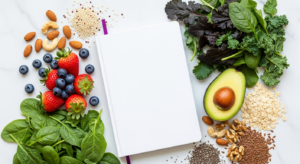
- Healthy Fats: Essential for hormone production. Include avocados, nuts, seeds (chia, flax, hemp), olive oil, and fatty fish (salmon, mackerel).
- Quality Protein: Provides amino acids, the building blocks for hormones and neurotransmitters. Opt for lean meats, poultry, fish, eggs, legumes, and plant-based protein sources.
- Fiber-Rich Foods: Aids in detoxification and healthy bowel movements, crucial for eliminating excess hormones. Load up on vegetables, fruits, whole grains, and legumes.
- Cruciferous Vegetables: Broccoli, cauliflower, Brussels sprouts, and kale contain compounds that support liver detoxification of hormones.
- Limit Sugar and Refined Carbs: These cause blood sugar spikes and insulin resistance, a major driver of hormonal imbalance.
- Hydration: Drink plenty of filtered water to support all bodily functions, including detoxification.
2. Manage Stress Effectively
Because chronic stress is such a major disruptor, effective stress management is paramount. Consider:
- Mindfulness and Meditation: Even 10-15 minutes a day can significantly lower cortisol levels.
- Deep Breathing Exercises: Simple yet powerful techniques to calm the nervous system.
- Yoga and Tai Chi: Combine physical movement with mindful breathing.
- Time in Nature: Spending time outdoors reduces stress and improves mood.
- Prioritize Self-Care: Make time for activities you enjoy – reading, hobbies, warm baths. Creating a serene home environment, even with our guide on Kid Friendly Home Decor Ideas, can contribute to a calmer mind and reduced stress, indirectly supporting hormonal health.
3. Optimize Sleep Hygiene
Make sleep a non-negotiable priority. To improve your sleep:
- Stick to a Schedule: Go to bed and wake up at the same time each day, even on weekends.
- Create a Relaxing Bedtime Routine: Wind down with a bath, reading, or gentle stretching.
- Optimize Your Bedroom: Keep it dark, cool, and quiet. Avoid screens for at least an hour before bed.
- Limit Caffeine and Alcohol: Especially in the afternoon and evening.
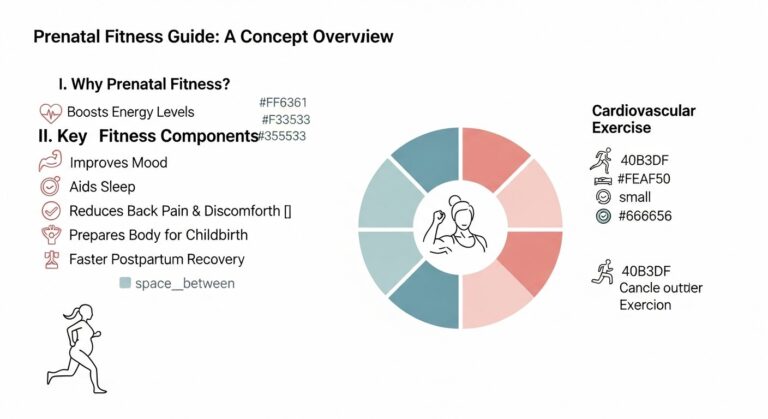
4. Incorporate Regular Movement
Exercise helps improve insulin sensitivity, reduce stress, and support detoxification. Aim for a mix of:
- Strength Training: Builds muscle, which improves metabolism and hormone sensitivity.
- Cardio: Supports cardiovascular health and stress reduction.
- Flexibility and Balance: Yoga, Pilates, stretching.
- Listen to Your Body: Overtraining can sometimes increase cortisol, so find a balance that feels good for you.
5. Support Gut Health
A healthy gut equals healthy hormones. Strategies include:
- Probiotic-Rich Foods: Fermented foods like yogurt, kefir, sauerkraut, kimchi.
- Prebiotic Foods: Garlic, onions, asparagus, bananas – these feed beneficial gut bacteria.
- Bone Broth: Rich in collagen and amino acids that help heal the gut lining.
- Avoid Gut Irritants: Processed foods, excessive sugar, alcohol, and consider eliminating common allergens if you suspect sensitivities.
6. Minimize Toxin Exposure
Reducing your toxic load can significantly impact hormonal balance:
- Filter Your Water: To remove chlorine, heavy metals, and other contaminants.
- Choose Organic: Reduce exposure to pesticides and herbicides.
- Use Non-Toxic Personal Care Products: Opt for brands free from parabens, phthalates, and synthetic fragrances.
- Switch to Natural Cleaning Products: Avoid harsh chemicals in your home.
- Store Food in Glass: Avoid plastic containers, especially when heating food.
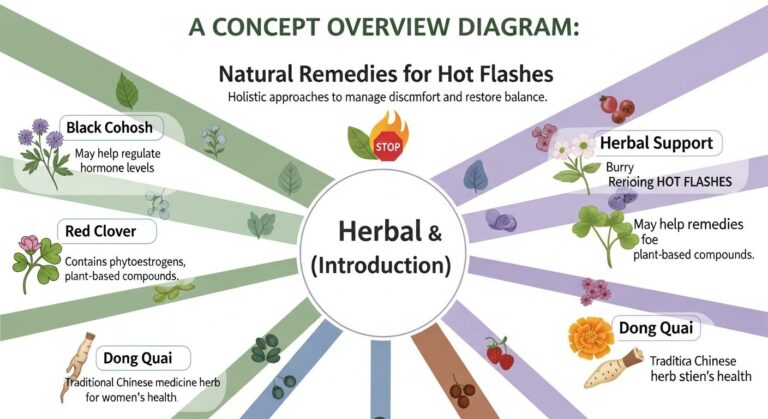
7. Explore Herbal Remedies and Supplements (with Caution)
Certain herbs and supplements can be powerful allies, but they should be used under the guidance of a qualified healthcare practitioner, as they can interact with medications or not be suitable for everyone.
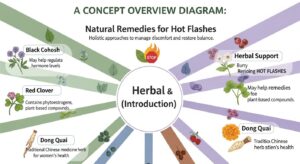
- Adaptogens: Herbs like Ashwagandha, Rhodiola, and Holy Basil help the body adapt to stress and balance cortisol.
- Vitex (Chasteberry): Often used to support progesterone levels and alleviate PMS symptoms.
- Maca Root: An adaptogen that can support overall endocrine function and libido.
- DIM (Diindolylmethane): Found in cruciferous vegetables, it supports healthy estrogen metabolism.
- Magnesium: Crucial for over 300 bodily processes, including stress reduction, sleep, and blood sugar regulation.
- Omega-3 Fatty Acids: Found in fish oil, they reduce inflammation and support cellular health, indirectly aiding hormone function.
- B Vitamins: Essential for energy production, stress response, and liver detoxification.
Integrating Hormonal Health into Your Daily Life
Achieving hormonal balance is not a one-time fix but an ongoing journey of mindful living. It requires consistent effort and a willingness to listen to your body’s signals. Think of it as adopting a sustainable lifestyle rather than following a restrictive diet or temporary protocol. Many of these practices align with broader Womens Health Tips Every Woman Should Know, underscoring their universal benefit.
Start small, choose one or two areas to focus on, and gradually build healthier habits. For example, begin by swapping processed snacks for whole foods, or committing to 15 minutes of mindful movement daily. Track your symptoms and energy levels to see what works best for you. Patience is key; it takes time for hormones to rebalance, so celebrate small victories along the way. Remember, your body is incredibly resilient, and with the right support, it has an amazing capacity to heal and restore balance.
When to Seek Professional Guidance
While natural remedies offer significant support, it’s vital to know when to seek professional medical advice. If your symptoms are severe, debilitating, persist despite lifestyle changes, or if you suspect a specific medical condition (like PCOS, thyroid disease, or endometriosis), please consult a doctor, endocrinologist, or a functional medicine practitioner. They can offer diagnostic testing, prescription medications, or personalized treatment plans that complement your natural approach. Natural remedies are powerful tools for support and prevention, but they are not always a substitute for medical care, especially in acute or complex cases. A collaborative approach, integrating the best of conventional and holistic medicine, often yields the most comprehensive and lasting results for your hormonal health.
Empowering yourself with knowledge about your body and its intricate hormonal system is the first step towards a healthier, more vibrant you. By embracing these natural strategies, you’re not just addressing symptoms; you’re nurturing your body’s inherent ability to thrive.
Frequently Asked Questions
Recommended Resources
Related reading: How To Build A Work Wardrobe Capsule (Fashion Goggled).
Related reading: How To Do A Digital Detox And Feel Better Fast (The Contextual Life).
From Our Network
- how to find your personal style as a woman (en Sometimesdaily)
- how to choose the right perfume for your personality (en Thecontextuallife)