
The Challenge: Why Home Cleaning Feels Impossible for Busy Moms
The modern mom wears many hats, and while each role is fulfilling, the sheer volume of responsibilities can be overwhelming. The expectation of a perfectly pristine home, often perpetuated by social media and idealized images, clashes sharply with the daily reality of raising children. Let’s delve into why maintaining a clean home often feels like an uphill battle for busy mothers.
-
The Relentless Cycle of Mess
Children, by their very nature, are generators of delightful chaos. Toys spread across the living room, crumbs migrating from the kitchen to the bedroom, and endless piles of laundry are not signs of a failing household, but rather a thriving, lived-in one. The moment one area is tidied, another seems to spontaneously combust with clutter. This constant battle against a never-ending influx of mess can lead to a feeling of futility, making any attempt at a comprehensive home cleaning routine for busy moms feel like pushing a boulder uphill.
-
Time Scarcity and Energy Depletion
Between school runs, meal prep, homework help, appointments, and potentially a career, a busy mom’s calendar is perpetually full. The precious few hours left in the day are often earmarked for quality time with family, personal errands, or simply collapsing onto the sofa for a moment of peace. Cleaning, while necessary, frequently falls to the bottom of the priority list, not out of neglect, but out of sheer exhaustion. The physical and mental energy required to tackle a significant cleaning project after a long day can feel insurmountable.
-
The Invisible Mental Load
Beyond the physical tasks, there’s the pervasive mental load that mothers carry. This includes remembering what needs cleaning, planning when to do it, organizing supplies, and coordinating family members. This constant background hum of domestic management can be more draining than the actual cleaning itself. It contributes to stress and can detract from overall well-being, making it harder to prioritize essential self-care practices that are fundamental Womens Health Tips Every Woman Should Know, such as adequate rest and mindfulness.
-
Perfectionism vs. Reality
Many moms grapple with an internal pressure to maintain an immaculate home, often a holdover from societal expectations or personal upbringing. However, striving for perfection in a busy family home is not only unrealistic but also detrimental to mental health. The gap between the desired level of cleanliness and the achievable reality can lead to feelings of guilt, inadequacy, and stress, further complicating the implementation of any sustainable home cleaning routine for busy moms.
Understanding these challenges is the first step towards building a cleaning routine that truly works. It’s about letting go of unrealistic expectations and embracing strategies that align with your actual life, rather than fighting against it. Our goal at Veralyn Media is to help you create a system that supports your lifestyle, not one that adds another layer of stress.
The Veralyn Method: Principles for a Sustainable Cleaning Routine
At Veralyn Media, we advocate for a cleaning philosophy that prioritizes peace of mind, health, and sustainability over rigid perfection. Our method for creating an effective home cleaning routine for busy moms is built on several foundational principles designed to make cleaning less of a chore and more of an integrated part of a healthy lifestyle.
-
Mindset Shift: From Chore to Self-Care and Family Well-being
Instead of viewing cleaning as a dreaded task, try reframing it as an act of self-care and an investment in your family’s health. A tidy, organized home reduces stress, improves focus, and creates a more harmonious environment for everyone. When you clean, you’re not just removing dirt; you’re cultivating a space that supports mental clarity, emotional calm, and physical health. This shift in perspective can make the effort feel more purposeful and less burdensome.
-
Declutter First, Clean Second
This is arguably the most critical principle. You cannot effectively clean clutter. Before you even pick up a broom or a cloth, dedicate time to decluttering. Less stuff means less to organize, less to move, and less to clean. Regularly letting go of items that no longer serve a purpose, are broken, or are simply taking up space will dramatically reduce your cleaning load. This is especially pertinent in common areas and children’s rooms, where applying Kid Friendly Home Decor Ideas often involves smart storage solutions to minimize visible clutter.
-
Consistency Over Intensity: The Power of “Little and Often”
Forget the idea of dedicating an entire weekend to a monumental cleaning marathon. For busy moms, sporadic deep cleans are often unsustainable. Instead, embrace the “little and often” approach. Small, consistent daily habits prevent mess from accumulating, making weekly tasks much quicker and less daunting. Think 15-20 minutes a day rather than 3-4 hours once a week. This steady pace is far more manageable and less taxing on your limited energy reserves.
-
Delegation and Family Involvement: It’s a Team Effort
Your home is a shared space, and therefore, cleaning should be a shared responsibility. Involving your spouse, partner, and children in age-appropriate chores not only lightens your load but also teaches valuable life skills and fosters a sense of collective ownership. Even toddlers can help put toys in a basket, and older children can take on more significant tasks. This principle is vital for preventing burnout and ensuring that the burden of home maintenance doesn’t fall solely on one person.
-
Prioritization: What Truly Matters?
Not everything needs to be perfectly spotless all the time. Identify your “non-negotiables” – the areas or tasks that, when clean, significantly impact your family’s comfort and well-being. For many, this includes clean kitchen counters, sanitary bathrooms, and tidy common areas. Other tasks, like dusting infrequently used shelves or cleaning baseboards, can be done less often. Learn to let go of the pressure to achieve an impossible standard of perfection and focus your energy where it yields the greatest benefit.
-
Eco-Conscious Choices for a Healthier Home
For the well-being of your family and the planet, consider incorporating non-toxic and environmentally friendly cleaning products. Harsh chemicals can impact indoor air quality and may have adverse effects on health, an important consideration for Womens Health Tips Every Woman Should Know, and particularly for Fertility Health Tips Women Trying Conceive. Opt for natural alternatives like vinegar, baking soda, and essential oils, or choose reputable eco-friendly brands. A clean home should also be a healthy home, free from unnecessary chemical exposure.
By integrating these principles into your approach, you can transform your cleaning routine from a source of stress into a practical, empowering system that supports a healthier, happier home life for 2026 and beyond.
Crafting Your Personalized Home Cleaning Schedule
-
Step 1: Assess Your Current Situation and Needs
Before you draft a schedule, take an honest look at your current home environment, your available time, and your family’s habits.
- What areas cause you the most stress when they’re messy? (e.g., kitchen, entryway).
- How much time can you realistically dedicate to cleaning each day/week? Be honest, not aspirational.
- What are your family’s peak activity times and quiet times? Schedule tasks around these.
- What is your current baseline of cleanliness? Don’t aim for a complete overhaul overnight.
-
Step 2: Establish Daily “Reset” Habits (15-20 Minutes)
These are the non-negotiable, quick tasks that prevent major accumulation. Integrate them into your morning or evening routine.
- Make beds: A made bed instantly makes a room look tidier.
- Wipe down kitchen counters: Prevents grime buildup and keeps the heart of the home clean.
- Quick tidy of main living areas: Put away toys, stack magazines, fluff pillows. This is where Kid Friendly Home Decor Ideas like accessible bins and shelves for toys really shine.
- Empty small trash cans: Especially in bathrooms and bedrooms.
- Do one load of laundry (start to finish): Keep the laundry mountain from growing.
-
Step 3: Define Weekly “Zone” Tasks (1-2 Hours)
These are more thorough tasks that can be broken down by room or type of chore, spread across the week or tackled in one dedicated session. Many busy moms find it easier to do one or two “zones” per day.
- Monday: Kitchen Deep Clean (floors, sink scrub, appliance exteriors)
- Tuesday: Bathroom Blitz (scrub toilet, shower, sink, wipe mirrors)
- Wednesday: Dusting & Vacuuming Main Areas
- Thursday: Bedroom Refresh (change sheets, vacuum/mop floors)
- Friday: Catch-all/Organization (deal with paperwork, organize a specific drawer)
- Weekend: Laundry catch-up, outdoor tasks if applicable.
-
Step 4: Schedule Monthly/Quarterly Deeper Cleans
These tasks don’t need frequent attention but are important for overall maintenance.
- Monthly: Dust blinds/ceiling fans, clean mirrors/windows, vacuum upholstery, wipe down baseboards.
- Quarterly: Clean oven, wash curtains/drapes, deep clean carpets, clean out fridge/pantry, wipe down interior doors.
- Annually (or Bi-annually): Clean gutters, wash exterior windows, power wash siding (if applicable).
-
Step 5: Embrace Flexibility and Visual Aids
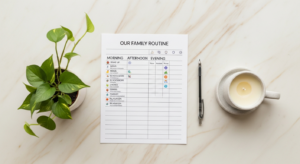
Life with kids is unpredictable. Your schedule needs to be a guide, not a dictator. If a day goes off track, simply pick up where you left off the next day. Don’t let one missed task derail your entire routine. Consider using a whiteboard, a digital calendar, or a printable checklist to visualize your schedule. This can be especially helpful for involving other family members and assigning chores.
By thoughtfully designing and consistently (but flexibly) following this type of structured yet adaptable home cleaning routine for busy moms, you’ll find that your home remains consistently tidier, and the stress associated with cleaning significantly diminishes.
Room-by-Room Breakdown: Targeted Strategies for Key Areas
To make your home cleaning routine for busy moms truly efficient, it’s helpful to have targeted strategies for each major area of your home. Each room presents unique challenges and requires specific attention.
-
The Kitchen: The Heartbeat of Home Life
The kitchen is often the busiest and most frequently used room, making it a hotspot for grime and clutter.
- Daily:
- Wipe down counters and stovetop after every meal.
- Load and run the dishwasher.
- Quick sweep or vacuum of the floor to catch crumbs.
- Wipe down the sink.
- Weekly:
- Clean microwave (inside and out).
- Wipe down exterior of appliances (refrigerator, oven, dishwasher).
- Mop floor thoroughly.
- Sanitize sink and cutting boards.
- Wipe cabinet fronts.
- Monthly/Quarterly:
- Clean out refrigerator and freezer.
- Deep clean oven.
- Wipe down pantry shelves.
- Clean backsplash and grout.
- Daily:
-
Bathrooms: Hygiene is Key
Bathrooms require consistent attention to maintain hygiene and prevent mildew.
- Daily:
- Wipe down sink and counter after use.
- Quick swish of the toilet bowl.
- Hang up towels to dry.
- Weekly:
- Scrub toilet, shower/tub, and sink.
- Clean mirrors.
- Wipe down all surfaces (cabinet fronts, light fixtures).
- Mop floor.
- Empty trash.
- Monthly/Quarterly:
- Deep clean grout.
- Wash shower curtain/liner.
- Clean showerhead.
- Organize medicine cabinet/drawers.
- Daily:
-
Living Room/Family Room: The Central Gathering Space
This area often accumulates clutter quickly due to its high traffic.
- Daily:
- Quick tidy: put away toys (integrating Kid Friendly Home Decor Ideas like accessible baskets is a game-changer), stack books/magazines, fluff pillows.
- Straighten throws and blankets.
- Weekly:
- Dust all surfaces (coffee table, TV stand, shelves).
- Vacuum/sweep/mop floor.
- Wipe down frequently touched surfaces (remote controls, light switches).
- Monthly/Quarterly:
- Vacuum upholstery.
- Clean windows/glass surfaces.
- Dust ceiling fans/light fixtures.
- Rotate and flip cushions.
- Daily:
-
Bedrooms: Your Sanctuary
Bedrooms should be places of rest and calm.
- Daily:
- Make the bed.
- Put away clothes.
- Weekly:
- Change bed linens.
- Dust surfaces.
- Vacuum/sweep/mop floor.
- Tidy nightstands.
- Monthly/Quarterly:
- Clean under the bed.
- Wash curtains/blinds.
- Declutter closet/drawers.
- Daily:
-
Entryway/Mudroom: The First Impression
Often overlooked, this area can quickly become a dumping ground.
- Daily:
- Put away shoes, bags, and coats.
- Quick sweep if needed.
- Weekly:
- Wipe down surfaces (console table, bench).
- Clean any mirrors.
- Mop/vacuum floor.
- Monthly/Quarterly:
- Organize coat closet/shoe rack.
- Clean door and doormat.
- Daily:
By breaking down your home into manageable zones and applying these targeted strategies, your home cleaning routine for busy moms becomes less overwhelming and far more effective. Remember, consistency is more important than perfection.
Integrating Health & Wellness into Your Cleaning Practice
Cleaning isn’t just about aesthetics; it’s a profound act of caring for your physical and mental health. For busy moms, integrating wellness principles into your home cleaning routine for busy moms can transform it from a dreaded chore into a supportive practice. This approach aligns perfectly with Veralyn Media’s mission to promote holistic well-being.
-
Prioritizing Non-Toxic Cleaning for a Healthier Home Environment
The products we use to clean our homes can significantly impact indoor air quality and our overall health. Many conventional cleaners contain volatile organic compounds (VOCs), phthalates, and synthetic fragrances that can be endocrine disruptors and respiratory irritants. For all women, and especially for those focusing on Fertility Health Tips Women Trying Conceive, reducing exposure to these chemicals is paramount.
- Opt for “Green” Products: Look for cleaners certified by organizations like EPA Safer Choice, EWG Verified, or Ecologo.
- DIY Cleaners: Simple ingredients like white vinegar, baking soda, lemon juice, and castile soap can clean nearly anything effectively and safely. For example, a mixture of vinegar and water is an excellent all-purpose cleaner, and baking soda can scour surfaces without harsh abrasives.
- Ventilation is Key: Even with natural cleaners, ensure good ventilation by opening windows while cleaning.
-
Mindful Cleaning: Turning Chores into Meditation
Instead of rushing through cleaning tasks, try to engage mindfully. Focus on the sensory experience: the scent of natural cleaners, the feel of the cloth, the visual transformation of a clean surface. This practice can be surprisingly meditative, helping to reduce stress and improve focus. It’s an excellent way to incorporate mindfulness, which is a core component of Womens Health Tips Every Woman Should Know for managing daily pressures and enhancing mental clarity.
-
Ergonomics and Body Awareness
Cleaning involves a lot of bending, lifting, and repetitive motions. Be mindful of your posture and use proper body mechanics to prevent strain and injury.
- Bend from your knees, not your back, when lifting heavy items or reaching low.
- Use tools with long handles to avoid excessive bending.
- Take breaks and stretch to prevent muscle fatigue.
- Alternate tasks to engage different muscle groups.
-
Creating a Sanctuary: The Link Between Home and Mental Well-being
A clutter-free, clean home has a direct positive impact on mental health. It reduces visual noise, which in turn reduces mental clutter and overwhelm. Coming home to an organized space can lower stress levels, improve sleep quality, and foster a sense of calm and control – all vital for comprehensive Womens Health Tips Every Woman Should Know.
- Designate “Calm Zones”: Even if your whole house isn’t perfect, ensure your bedroom or a quiet corner remains a clean, restorative space.
- Incorporate Aromatherapy: Use essential oil diffusers with calming scents like lavender or uplifting ones like citrus to enhance the atmosphere of your clean home.
- Let in Natural Light: A clean window allows more light, which boosts mood and energy.
-
Hydration and Nutrition During Cleaning
Treat cleaning like any other physical activity. Stay hydrated by keeping a water bottle nearby, and ensure you’ve had a nutritious meal or snack beforehand to maintain energy levels. This small act of self-care makes a big difference in preventing fatigue and making your cleaning efforts more enjoyable and sustainable.
By intentionally weaving these health and wellness considerations into your home cleaning routine for busy moms, you transform a necessary chore into an opportunity to nurture yourself and your family, creating a truly wholesome and supportive living environment for 2026.
Smart Tools & Kid-Friendly Solutions for an Efficient Home
Equipping yourself with the right tools and strategies can dramatically streamline your home cleaning routine for busy moms. When you have effective helpers and smart organizational systems, cleaning becomes less of a battle and more of a breeze. Furthermore, incorporating your children into the process not only lightens your load but also teaches them valuable life skills.
-
Essential Cleaning Tools That Make a Difference
Investing in quality tools can save you time and effort in the long run.
- Microfiber Cloths: These are incredibly versatile, absorbent, and effective for dusting and wiping surfaces without harsh chemicals. Use different colors for different zones (e.g., blue for bathrooms, green for kitchen) to prevent cross-contamination.
- High-Quality Vacuum Cleaner: A powerful vacuum with attachments for different surfaces (carpets, hard floors, upholstery) is a must. Consider a lightweight cordless stick vacuum for quick daily cleanups and a robot vacuum for hands-free maintenance, especially beneficial for busy families.
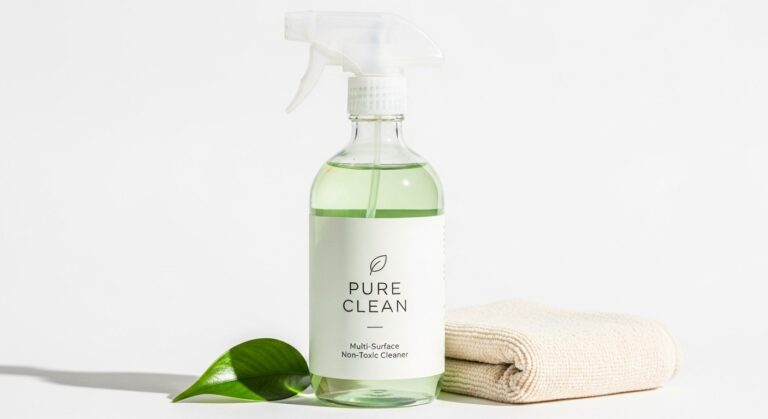
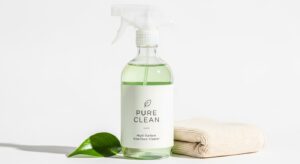
- All-Purpose Cleaner: Whether it’s a store-bought eco-friendly option or a DIY vinegar solution, having one go-to cleaner for most surfaces simplifies your routine.
- Scrub Brushes and Sponges: Stock a variety for different tasks – a stiff brush for grout, a softer one for delicate surfaces, and durable sponges for general cleaning.
- Mop or Steam Cleaner: For hard floors, a good mop (microfiber flat mops are often preferred for efficiency) or a steam cleaner for deeper sanitization can be invaluable.
- Caddy or Basket: Keep all your essential cleaning supplies in a portable caddy. This saves time searching for products and allows you to move efficiently from room to room.
-
Time-Saving Gadgets and Innovations
Technology can be a busy mom’s best friend when it comes to home maintenance.
- Robot Vacuums/Mops: Program these to clean floors daily or several times a week, freeing up your time for other tasks. They are excellent for maintaining a baseline of cleanliness.
- Dishwasher: If you have one, use it! Run it nightly and empty it in the morning.
- Smart Sprinkler System: While not a cleaning tool, automating outdoor tasks like watering can free up mental and physical energy for indoor chores.
- Cordless Handheld Vacuum: Perfect for quick clean-ups of spills, crumbs, or pet hair without dragging out the main vacuum.
-
Storage Solutions Inspired by Kid-Friendly Home Decor Ideas
Effective organization is the cornerstone of a clean home, especially with children. Applying principles from Kid Friendly Home Decor Ideas can transform chaotic spaces into functional, tidy ones.
- Accessible Bins and Baskets: Use open bins or baskets in play areas for easy toy retrieval and, more importantly, easy put-away. Labeling them with pictures (for younger children) or words helps guide kids.
- Vertical Storage: Shelves, wall-mounted organizers, and cubbies maximize space and keep items off the floor. This is great for books, art supplies, and small toys.
- Designated “Landing Zones”: Create specific spots near the entryway for shoes, backpacks, and coats. Hooks and shoe racks prevent clutter from spreading.
- Furniture with Storage: Ottomans with storage, beds with drawers, or benches with cubbies are brilliant ways to hide clutter in plain sight, aligning perfectly with practical Kid Friendly Home Decor Ideas.
- Declutter Regularly: Even with great storage, regular decluttering of toys, clothes, and papers is essential to prevent overwhelming your systems.
-
Involving Kids: Making Cleaning a Family Affair
Delegation is crucial, and teaching children to contribute to household chores is a life skill that benefits everyone.
- Age-Appropriate Chores:
- Toddlers (2-3 years): Put toys in a basket, put books on a shelf, wipe up small spills with a cloth.
- Preschoolers (4-5 years): Make their bed (with help), set the table, put away clean utensils, help sort laundry.
- Young School-Aged (6-8 years): Tidy their room, help clear the table, take out trash, help with dusting, simple vacuuming.
- Pre-Teens/Teens: Clean their bathroom, vacuum main areas, help with meal prep and cleanup, laundry folding.
- Make it Fun: Turn cleaning into a game, play music, or offer small incentives.
- Be Patient and Model Behavior: Show them how to do tasks, provide positive reinforcement, and remember that perfection isn’t the goal.
- Age-Appropriate Chores:
By thoughtfully selecting your tools, optimizing your storage with Kid Friendly Home Decor
Recommended Resources
Related reading: How To Style An Outfit For A Job Interview (Sometimes Daily).
You might also enjoy Yoga For Beginners At Home For Women from The Contextual Life.