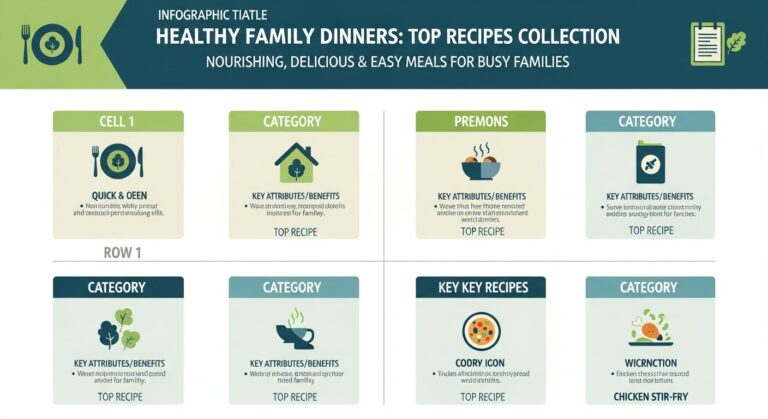
Why Healthy Family Dinners Matter for Every Woman and Family
The dinner table is more than just a place to eat; it’s the heart of the home, a nexus for connection, conversation, and the transmission of values. For women, the act of preparing and sharing a healthy meal extends far beyond basic sustenance, impacting personal well-being, energy levels, and even long-term health outcomes. Prioritizing nutritious family dinners is a powerful act of self-care and family care.
The Profound Impact on Women’s Health
- Sustained Energy & Mood Stability: A balanced diet, rich in whole grains, lean proteins, and healthy fats, provides steady energy release, preventing the dreaded afternoon slump and supporting mood regulation. Fluctuating blood sugar from processed foods can exacerbate stress and fatigue, which many women already grapple with daily.
- Hormonal Balance & Reproductive Health: Nutrient-dense meals are crucial for hormonal equilibrium. Foods rich in omega-3 fatty acids, B vitamins, and antioxidants can support everything from menstrual cycle regularity to managing symptoms of menopause. For women actively seeking Fertility Health Tips Women Trying Conceive, dietary choices are paramount. Adequate folate, iron, and lean protein intake are essential building blocks for reproductive health, laying a strong foundation for conception and a healthy pregnancy.
- Bone Health & Longevity: As women age, bone density becomes a significant concern. Dinners incorporating calcium-rich foods (dark leafy greens, fortified dairy/alternatives), vitamin D (fatty fish, fortified foods), and magnesium contribute to strong bones, reducing the risk of osteoporosis later in life.
- Stress Reduction: While cooking can sometimes feel stressful, the act of nourishing your family with wholesome food can be incredibly grounding. Furthermore, a well-fed body is better equipped to handle daily stressors, both physically and mentally. The consistency of healthy meals is a cornerstone of Womens Health Tips Every Woman Should Know, contributing to overall resilience and vitality.
Building a Foundation for the Entire Family
Beyond the individual benefits for women, healthy family dinners lay a critical foundation for children and partners alike:
- Modeling Healthy Habits: Children learn by example. Regular exposure to a variety of nutritious foods and the routine of shared meals instills positive eating habits that can last a lifetime, reducing the likelihood of childhood obesity and related health issues.
- Enhanced Cognitive Function & Academic Performance: A diet rich in essential nutrients supports brain development and function, leading to improved concentration, memory, and academic performance in children.
- Stronger Immune Systems: Vitamin and mineral-rich meals bolster the immune system, helping the entire family ward off illnesses and recover more quickly.
- Family Bonding & Communication: The dinner table offers a rare opportunity in busy schedules for families to connect, share their day, and strengthen their bonds. It’s a space for active listening, problem-solving, and celebrating small victories.
Understanding these profound benefits underscores why investing time in quick and easy healthy family dinners is not just a chore, but a crucial investment in the collective health and happiness of your household, particularly for the woman at its helm.
The Pillars of Quick & Easy Healthy Dinners for Busy Lives
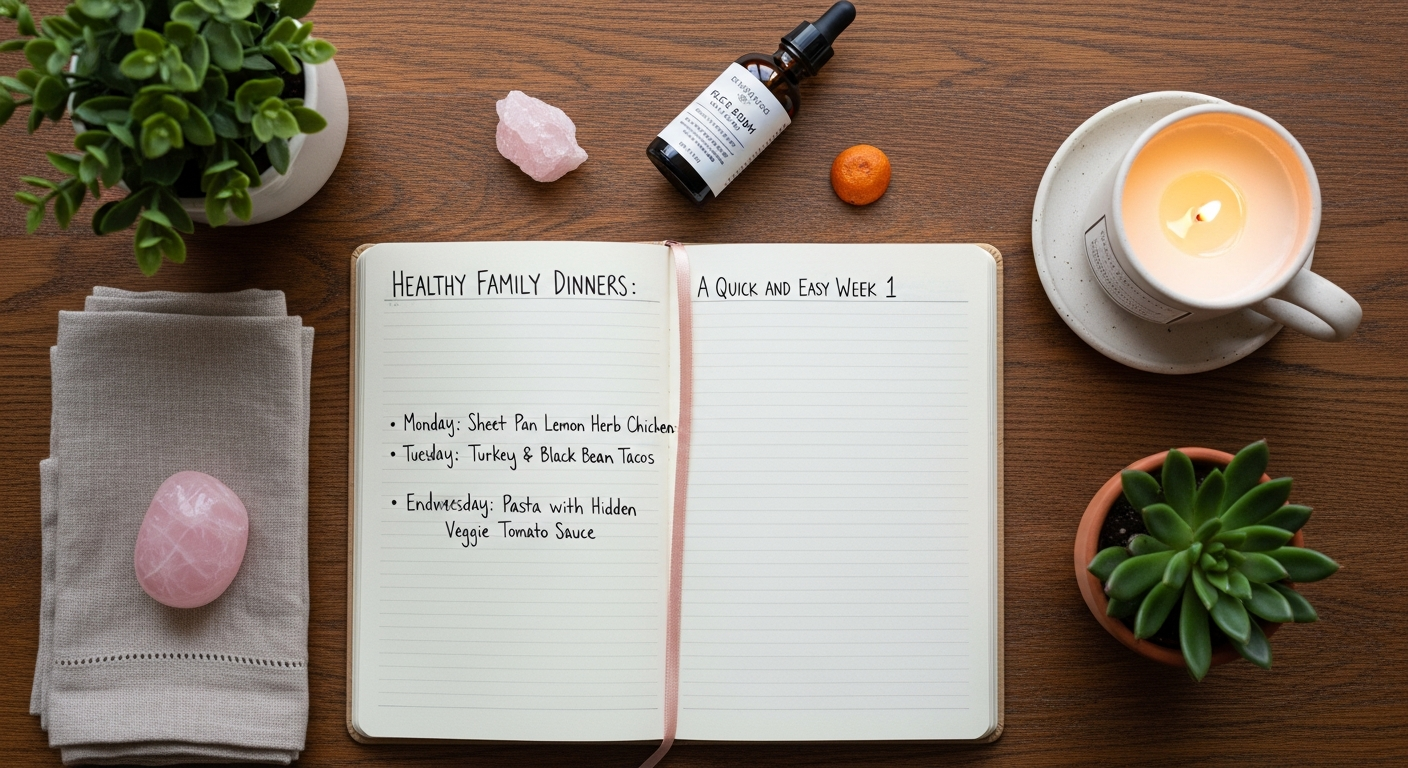
Achieving consistently healthy and quick family dinners doesn’t require a culinary degree or hours of prep each night. It relies on a strategic approach, built upon several key pillars that streamline the process and make wholesome eating an achievable reality, even on the most hectic weeknights as we move into 2026.
1. Masterful Meal Planning: Your Weekly Blueprint
The single most impactful step you can take is to plan your meals. This isn’t about rigid adherence, but about having a roadmap. A well-thought-out plan:
- Reduces Decision Fatigue: No more last-minute scrambling or resorting to unhealthy takeout.
- Optimizes Grocery Shopping: You’ll know exactly what you need, reducing impulse buys and food waste.
- Ensures Variety & Balance: You can consciously incorporate different food groups and flavors throughout the week.
- Incorporates Themes: Think “Taco Tuesday,” “Meatless Monday,” or “Pasta Night” to simplify choices.
Dedicate 15-30 minutes once a week (perhaps Sunday afternoon) to sketch out your dinner plan. Consider your family’s schedule, what ingredients you already have, and how you can repurpose leftovers.
2. Smart Grocery Shopping: Efficiency at Its Best
Once your plan is set, your grocery list practically writes itself. Smart shopping is about more than just buying ingredients; it’s about buying wisely:
- Shop Your Pantry First: Check what you already have before making your list.
- Stick to the Perimeter: The outer aisles of the grocery store typically hold the freshest produce, lean meats, and dairy.
- Embrace Frozen & Canned: Don’t shy away from frozen vegetables and fruits (often picked at peak ripeness) or canned beans, tomatoes, and fish. They are nutritional powerhouses and incredible time-savers.
- Buy in Bulk (Wisely): Non-perishables like whole grains, dried beans, and certain spices can be more cost-effective when bought in larger quantities.
3. The Power of a Well-Stocked Pantry & Fridge
Having essential ingredients on hand means you’re always just a few steps away from a healthy meal. Stock up on these staples:
- Proteins: Canned tuna/salmon, eggs, dried or canned lentils/beans, frozen chicken breasts/fish fillets, tofu.
- Grains: Quinoa, brown rice, whole wheat pasta, whole wheat tortillas, oats.
- Vegetables: Onions, garlic, potatoes, carrots, frozen mixed vegetables (peas, corn, broccoli, spinach), canned diced tomatoes.
- Fruits: Apples, oranges, bananas, frozen berries.
- Healthy Fats: Olive oil, avocado oil, nuts, seeds, nut butters.
- Flavor Boosters: A variety of dried herbs and spices, low-sodium broths, vinegars, soy sauce/tamari, mustard.
4. Efficient Cooking Techniques & Appliances
Leverage tools and methods that minimize active cooking time and cleanup:
- One-Pan/Sheet Pan Meals: Toss protein and vegetables with seasoning on a single sheet pan and roast. Minimal dishes, maximum flavor.
- Slow Cooker/Instant Pot: “Set it and forget it” meals are perfect for busy days. Prep in the morning, come home to a delicious dinner.
- Stir-Frying: Quick, versatile, and excellent for using up leftover veggies.
- Batch Cooking: Cook large quantities of grains (quinoa, brown rice), roasted vegetables, or grilled chicken at the start of the week. These components can be mixed and matched into various meals.
5. Prep-Ahead Power: Your Secret Weapon
Even 15-30 minutes of prep on a Sunday can drastically cut down weeknight cooking time:
- Chop Vegetables: Dice onions, mince garlic, slice peppers, and store them in airtight containers.
- Wash & Dry Greens: Ready for salads or quick additions to stir-fries.
- Marinate Proteins: Chicken or fish can marinate for a day or two, infusing flavor and tenderizing.
- Cook Grains: Prepare a large batch of quinoa or brown rice to use throughout the week in bowls, as sides, or in salads.
By integrating these pillars into your routine, you’ll discover that preparing healthy family dinner ideas quick and easy is not just a pipe dream but a sustainable reality, freeing up your evenings for relaxation and family connection.
Speedy & Nutritious Dinner Ideas for Busy Weeknights in 2026
1. One-Pan Wonders: Roasting to Perfection
The beauty of one-pan meals lies in their simplicity and minimal cleanup. Everything cooks together, infusing flavors and creating tender, delicious results.
- Sheet Pan Lemon Herb Chicken & Veggies:
- How-To: Toss bite-sized chicken pieces (breast or thigh) with chopped broccoli florets, bell peppers, zucchini, and red onion. Drizzle with olive oil, lemon juice, dried herbs (oregano, thyme, rosemary), salt, and pepper. Roast at 400°F (200°C) for 20-25 minutes, or until chicken is cooked through and vegetables are tender-crisp.
- Why it’s Healthy & Easy: Lean protein, abundant fiber-rich vegetables, healthy fats. One pan means quick prep and cleanup.
- Sausage & Root Vegetable Medley:
- How-To: Slice pre-cooked chicken or turkey sausage (opt for low-sodium varieties). Combine with chopped sweet potatoes, carrots, parsnips, and Brussels sprouts. Toss with a touch of olive oil, smoked paprika, garlic powder, salt, and pepper. Roast at 400°F (200°C) for 25-30 minutes, flipping halfway.
- Why it’s Healthy & Easy: Nutrient-dense root vegetables provide complex carbohydrates and fiber. Pre-cooked sausage significantly cuts down cooking time.
2. Hearty Bowls: Customizable & Satisfying
Grain bowls, nourish bowls, or power bowls are incredibly versatile. They allow you to combine various pre-prepped components for a balanced and satisfying meal. Think of them as deconstructed salads or warm, comforting plates.
- Mediterranean Quinoa Bowls:
- How-To: Start with a base of pre-cooked quinoa. Top with sliced cucumber, cherry tomatoes, Kalamata olives, crumbled feta cheese, and chickpeas. Add a protein like grilled chicken strips (pre-cooked from batch prep) or canned tuna. Drizzle with a simple lemon-tahini dressing.
- Why it’s Healthy & Easy: Rich in whole grains, plant-based protein, healthy fats, and fresh vegetables. Highly customizable for picky eaters.
- Black Bean & Corn Salsa Bowls:
- How-To: Base of brown rice. Add a quick mix of canned black beans (rinsed), corn (canned or frozen), diced avocado, and a squeeze of lime juice. Top with shredded lettuce, a dollop of Greek yogurt (as a healthier sour cream alternative), and salsa. For protein, add ground turkey or shredded rotisserie chicken.
- Why it’s Healthy & Easy: Fiber-packed beans, whole grains, and fresh produce. Minimal cooking if you use pre-cooked rice and protein.
3. Pasta Power-Ups: Quick & Wholesome
Pasta doesn’t have to be heavy or unhealthy. Choose whole wheat or legume-based pasta and load it with vegetables and lean protein for a complete meal.
- Speedy Spinach & Sausage Pasta:
- How-To: Cook whole wheat pasta according to package directions. While it cooks, sauté sliced chicken or turkey sausage with garlic, then add a bag of fresh spinach until wilted. Drain pasta, add it to the pan with a splash of pasta water, a spoon of pesto or marinara, and a sprinkle of Parmesan.
- Why it’s Healthy & Easy: Whole grains, lean protein, and a significant boost of greens. Ready in under 20 minutes.
- One-Pot Tomato & Basil Pasta:
- How-To: Combine uncooked pasta (short shapes like penne or rotini), canned crushed tomatoes, vegetable broth, a generous amount of fresh basil, garlic, and a drizzle of olive oil in a large pot. Bring to a boil, then simmer, stirring occasionally, until pasta is al dente and liquid is absorbed (about 15 minutes). Stir in some fresh mozzarella or nutritional yeast for creaminess.
- Why it’s Healthy & Easy: Minimal dishes, fresh ingredients, and a comforting meal. Add canned chickpeas or white beans for extra protein.
4. Soup & Stew Saviors: Comfort in a Bowl
Soups and stews can be incredibly quick if you use smart shortcuts like pre-cooked ingredients or quick-cooking legumes.
- Quick Lentil & Vegetable Soup:
- How-To: Sauté diced onions, carrots, and celery. Add vegetable broth, canned diced tomatoes, red lentils (they cook quickly), and your favorite dried herbs. Simmer for 20-25 minutes until lentils are tender. Season to taste. Serve with whole-grain bread.
- Why it’s Healthy & Easy: Packed with plant-based protein, fiber, and vitamins. Minimal chopping, mostly hands-off cooking.
- Rotisserie Chicken Noodle Soup (Deconstructed):
- How-To: Use store-bought rotisserie chicken (shredded). Simmer chicken broth with egg noodles, diced carrots, and celery until noodles are tender. Stir in the shredded chicken and some fresh parsley just before serving.
- Why it’s Healthy & Easy: A classic comfort food made incredibly fast with pre-cooked chicken.
5. Taco/Wrap Nights: Interactive & Fun
Setting up a “build-your-own” station makes dinner fun and ensures everyone gets what they like, perfect for families with diverse preferences.
- Speedy Fish Tacos/Bowls:
- How-To: Quickly pan-sear white fish (tilapia, cod) seasoned with chili powder and cumin, or use canned salmon/tuna for an even faster option. Set out whole wheat tortillas or lettuce cups, shredded cabbage, avocado slices, salsa, and a Greek yogurt-lime crema.
- Why it’s Healthy & Easy: Lean protein, healthy fats, and a variety of fresh toppings. Kids love assembling their own meals.
- Ground Turkey & Veggie Wraps:
- How-To: Brown ground turkey with taco seasoning or a mix of chili powder, cumin, and garlic powder. Add finely diced bell peppers and onions to the pan. Serve with large lettuce leaves or whole wheat tortillas, shredded cheese, and your favorite taco toppings.
- Why it’s Healthy & Easy: Lean protein, hidden veggies, and interactive for kids.
These ideas are just a starting point. Feel free to mix, match, and adapt them to your family’s tastes and what’s in season, making healthy family dinner ideas quick and easy a consistent part of your routine in 2026.
Nurturing Women’s Health and Fertility Through Family Meals
For women, the food choices made at the family dinner table hold particular significance, extending beyond general nutrition to support specific aspects of health, including hormonal balance and reproductive well-being. By thoughtfully incorporating key nutrients and dietary principles into your quick and easy family dinners, you can proactively nurture your own health and that of any woman in your household.
Essential Nutrients for Women’s Health
Every woman can benefit from a diet rich in these vital components, many of which are specifically highlighted in Womens Health Tips Every Woman Should Know:
- Folate (Folic Acid): Crucial for cell growth and DNA formation. Found in dark leafy greens (spinach, kale), legumes (lentils, chickpeas), asparagus, and fortified grains.
- Dinner Integration: Add spinach to pasta sauces, blend lentils into soups, or serve roasted asparagus as a side.
- Iron: Essential for oxygen transport in the blood, preventing anemia, which is common in women, especially during menstruation. Sources include lean red meat, poultry, fish, beans, lentils, and fortified cereals.
- Dinner Integration: Include lean ground beef or turkey in tacos, add lentils to shepherd’s pie, or serve a simple pan-seared salmon. Pair iron-rich foods with vitamin C (like bell peppers or citrus) to enhance absorption.
- Omega-3 Fatty Acids: Important for brain health, reducing inflammation, and supporting hormonal balance. Found in fatty fish (salmon, mackerel, sardines), flaxseeds, chia seeds, and walnuts.
- Dinner Integration: Make quick salmon patties, sprinkle flax seeds into a breading for chicken, or add walnuts to a quinoa salad.
- Calcium & Vitamin D: Fundamental for bone health, especially vital for women to prevent osteoporosis. Calcium is in dairy, fortified plant milks, and dark leafy greens. Vitamin D is in fatty fish, fortified foods, and sunlight exposure.
- Dinner Integration: Incorporate fortified plant-based yogurts into dressings, add leafy greens to stir-fries, or serve fish as a main course.
- Antioxidants: Abundant in colorful fruits and vegetables, they combat oxidative stress and support overall cellular health.
- Dinner Integration: Aim for a rainbow of vegetables in every meal – bell peppers, berries, broccoli, tomatoes.
Dietary Strategies for Fertility Health
For women actively seeking Fertility Health Tips Women Trying Conceive, a balanced diet plays a pivotal role in optimizing reproductive health:
- Prioritize Whole Foods: Focus on unprocessed, whole grains, lean proteins, healthy fats, and a wide array of fruits and vegetables. These provide a steady supply of nutrients and fiber, supporting stable blood sugar and hormonal balance.
- Dinner Integration: Opt for brown rice over white, whole wheat pasta, and plenty of fresh, seasonal produce in your family meals.
- Lean Protein Sources: Adequate protein is essential for egg quality and overall reproductive function. Choose chicken, turkey, fish, beans, lentils, and tofu.
- Dinner Integration: A chicken and vegetable stir-fry, lentil soup, or baked fish with quinoa are excellent choices.
- Healthy Fats are Key: Monounsaturated and polyunsaturated fats (from avocados, nuts, seeds, olive oil) are vital for hormone production and reducing inflammation.
- Dinner Integration: Use avocado in salads or as a topping, dress meals with olive oil, and include nuts/seeds in toppings for bowls.
- Minimize Processed Foods & Sugars: These can contribute to inflammation, insulin resistance, and hormonal imbalances, which can negatively impact fertility.
- Dinner Integration: Focus on cooking from scratch with whole ingredients. Avoid store-bought sauces high in sugar and sodium; make your own simple dressings.
By consciously integrating these nutrient-rich components and dietary principles into your healthy family dinner ideas quick and easy, you’re not just feeding your family; you’re actively investing in the long-term vitality, hormonal harmony, and reproductive health of the women in your home, setting a powerful example for future generations.
Making Dinner Time a Joyful Family Affair (and Decor That Helps)
Beyond the nutritional benefits, dinner time offers a unique opportunity for family connection, conversation, and creating lasting memories. Transforming meal preparation and consumption into a positive, engaging experience can significantly enhance family well-being. It’s about building a culture around food that fosters happiness, not just sustenance.
Involve the Kids: Little Chefs, Big Benefits
Children are more likely to eat and enjoy meals they’ve helped prepare. Involving them in the kitchen, even with small, age-appropriate tasks, has numerous benefits:
- Fosters Healthy Eating Habits: They learn about ingredients, nutrition, and the effort that goes into making a meal, making them more adventurous eaters.
- Develops Life Skills: Measuring, mixing, washing, and chopping (with supervision) build fine motor skills, math skills, and independence.
- Boosts Confidence: Successfully contributing to a family meal gives children a sense of accomplishment and belonging.
- Creates Bonding Moments: Working together in the kitchen provides quality time and opportunities for conversation.
Age-Appropriate Tasks:
- Toddlers (2-3 years): Washing vegetables, stirring ingredients in a bowl, tearing lettuce, setting the table (with unbreakable items).
- Preschoolers (4-5 years): Mashing avocados, kneading dough, pouring pre-measured ingredients, wiping spills.
- Early Elementary (6-8 years): Measuring ingredients, cracking eggs, simple chopping with a kid-safe knife, stirring on the stovetop (with supervision).
- Older Elementary/Tweens (9-12+ years): Reading recipes, preparing simple salads, more complex chopping, sautéing, learning to use small appliances.
Remember, the goal isn’t perfection, but participation. Embrace the mess and celebrate their efforts!
Cultivating a Positive Dining Atmosphere
The environment in which you eat is almost as important as the food itself. A relaxed, engaging atmosphere encourages conversation and mindful eating.
- Screen-Free Zone: Designate dinner time as a screen-free zone. This encourages eye contact, active listening, and genuine conversation.
- Engage in Conversation: Ask open-ended questions about everyone’s day beyond “How was school?” or “What did you do today?” Try “What made you laugh today?” or “What’s one thing you learned?”
- Lead by Example: Parents eating a variety of healthy foods and demonstrating good table manners sets the standard.
- Flexibility and Forgiveness: Not every dinner will be perfect, and not every child will try every dish. Be patient, offer choices, and avoid making food a battleground.
Kid Friendly Home Decor Ideas That Enhance Mealtime
Your dining space can significantly contribute to a positive and welcoming mealtime experience, especially for children. Thoughtful Kid Friendly Home Decor Ideas aren’t just about aesthetics; they’re about functionality, comfort, and encouraging family togetherness.
- Practical & Easy-Clean Surfaces: Invest in a durable, easy-to-wipe-down dining table or a washable tablecloth. Consider chairs with wipeable upholstery or slipcovers. This reduces stress about spills and encourages a more relaxed atmosphere.
- Comfortable Seating: Ensure chairs are comfortable and at the right height for children, using booster seats or high chairs as needed. When kids are comfortable, they’re more likely to stay at the table longer.
- Cheerfully Inviting Colors & Lighting: Bright, warm colors in the dining area can create an uplifting mood. Soft, ambient lighting (rather than harsh overhead lights) can make the space feel more cozy and inviting.
- Designated Kid-Friendly Elements:
- Unbreakable Dinnerware: Colorful plates, bowls, and cups made from bamboo or melamine are practical and fun for children, reducing stress about breakages.
- Personal Touches: Allow kids to display their artwork on a nearby
Recommended Resources
Learn more about this topic in How To Layer Skincare Products In The Right Order at The Contextual Life.
For more on healthy family dinner, see Casual Chic Outfits For Women Ideas on Fashion Goggled.