Understanding Damaged Hair: What It Is and Why It Happens
Before we embark on the journey of repair, it’s crucial to understand what damaged hair truly is and the myriad ways it can manifest. At its core, hair damage occurs when the outermost layer of your hair, the cuticle, becomes lifted, cracked, or completely eroded. This exposes the inner cortex, making your hair vulnerable, brittle, and prone to breakage. Imagine your hair cuticle as protective scales; when they lie flat, your hair is smooth, shiny, and strong. When they are raised or broken, moisture escapes, and external aggressors can penetrate easily.
Common Culprits Behind Damaged Hair
- Heat Styling: Excessive use of flat irons, curling wands, and even blow dryers without adequate heat protection can literally cook the hair’s protein structure, leading to dryness, frizz, and breakage.
- Chemical Treatments: Hair dyes, bleaches, perms, and relaxers alter the hair’s natural bonds. While they can create stunning transformations, repeated or improper chemical application severely weakens the hair shaft, stripping it of moisture and elasticity.
- Mechanical Stress: Harsh brushing, vigorous towel drying, tight hairstyles (like high ponytails or braids worn too frequently), and even friction from cotton pillowcases can cause physical damage, leading to split ends and breakage.
- Environmental Factors: Prolonged sun exposure, harsh winds, pollution, and even hard water can contribute to hair damage. UV rays can degrade hair proteins, while mineral deposits from hard water can leave hair dull and brittle.
- Nutritional Deficiencies & Lifestyle: A diet lacking essential vitamins, minerals, and proteins can manifest in dull, weak, and slow-growing hair. Stress, lack of sleep, and underlying health conditions can also impact hair health. This is a critical aspect, often overlooked, and ties directly into broader Womens Health Tips Every Woman Should Know, as our hair often reflects our internal well-being.
Identifying Damaged Hair: What to Look For
Recognizing the signs of damage is the first step towards effective intervention. Look out for:
- Dryness and Brittleness: Hair feels rough, straw-like, and lacks moisture.
- Frizz: The cuticle is raised, allowing moisture from the air to penetrate and swell the hair shaft unevenly.
- Split Ends: The hair shaft splits into two or more strands, indicating severe cuticle damage.
- Breakage: Hair strands snap easily, often appearing as short, uneven pieces.
- Dullness: Lack of shine due to a rough cuticle that doesn’t reflect light smoothly.
- Lack of Elasticity: Healthy hair can stretch slightly when wet and return to its original length. Damaged hair will snap easily.
Once you’ve identified the signs, you’re ready to tailor a targeted hair care routine for damaged hair.
The Foundation: Gentle Cleansing and Conditioning for Repair
The cornerstone of any effective hair care routine for damaged hair lies in how you cleanse and condition. This isn’t just about getting your hair clean; it’s about minimizing further stress and infusing vital moisture and nutrients.
Choosing the Right Shampoo
- Go Sulfate-Free: Sulfates are harsh detergents that can strip your hair of its natural oils, leaving it even drier and more vulnerable. Opt for shampoos labeled “sulfate-free,” “gentle,” or “hydrating.”
- Look for Repairing Ingredients: Seek out ingredients like keratin, ceramides, argan oil, shea butter, and hyaluronic acid, which help to strengthen, moisturize, and protect the hair.
- pH-Balanced Formulas: Hair and scalp thrive at a slightly acidic pH (around 4.5-5.5). pH-balanced shampoos help to keep the cuticle smooth and closed.
- Frequency Matters: For damaged hair, washing every day can be too stripping. Aim for 2-3 times a week, or as needed, allowing your natural oils to nourish your scalp and strands. When you do wash, focus the shampoo primarily on your scalp, letting the suds rinse down the lengths without excessive scrubbing.
The Art of Conditioning
Conditioning is non-negotiable for damaged hair. It seals the cuticle, restores moisture, and improves manageability.
- Deeply Hydrating Conditioners: Choose conditioners specifically formulated for damaged, dry, or color-treated hair. These often contain heavier emollients and proteins.
- Application Technique: After gently squeezing excess water from your hair, apply conditioner from the mid-lengths to the ends. Avoid applying directly to the scalp if you have fine hair, as it can weigh it down. For very damaged hair, you might apply a small amount closer to the roots.
- Leave it On: Allow the conditioner to sit for 2-5 minutes to penetrate the hair shaft effectively.
- Rinse with Care: Use lukewarm or cool water to rinse. Cool water helps to seal the cuticle, locking in moisture and enhancing shine. Avoid hot water, which can further dry out your hair.
Remember, consistency is key. These foundational steps lay the groundwork for a successful hair repair journey.
Intensive Treatments: Masking, Oiling, and Serums for Deep Healing
The Power of Hair Masks
Hair masks are concentrated treatments designed to deliver a potent dose of ingredients that penetrate deeper than regular conditioners.
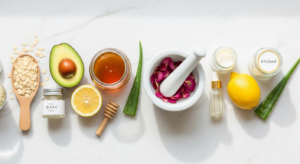
- Moisture Masks: Ideal for dry, brittle hair. Look for ingredients like hyaluronic acid, glycerin, aloe vera, shea butter, and various plant oils. These infuse intense hydration, making hair softer and more pliable. Use 1-2 times a week.
- Protein Masks: Essential for hair that feels weak, gummy, or overly stretchy when wet (a sign of protein loss, often from chemical damage). Ingredients like keratin, hydrolyzed wheat protein, silk amino acids, and rice water can help rebuild the hair’s structure. Be cautious not to overdo protein treatments, as too much can make hair stiff and brittle. Use every 2-4 weeks, or as directed by a professional.
- Application Tips: Apply masks to clean, damp hair, ensuring even distribution. Leave on for the recommended time (typically 10-30 minutes), sometimes longer for deep conditioning. For enhanced penetration, cover your hair with a shower cap and apply gentle heat (e.g., from a hooded dryer or warm towel).
Nourishing Hair Oils
Hair oils offer multifaceted benefits, from sealing moisture to protecting against damage and promoting scalp health.
- Coconut Oil: Known for its ability to penetrate the hair shaft and reduce protein loss. Great as a pre-shampoo treatment or an overnight mask.
- Argan Oil: Rich in vitamin E and fatty acids, it adds shine, reduces frizz, and provides a protective layer. Excellent as a leave-in treatment or for styling.
- Jojoba Oil: Mimics the natural sebum of our scalp, making it ideal for balancing scalp oil production and moisturizing dry ends.
- Castor Oil: Often lauded for its hair growth benefits, it also deeply moisturizes and strengthens strands.
- Application:
- Pre-Shampoo Treatment: Apply generously to dry hair, focusing on ends, 30 minutes to overnight before washing.
- Leave-in Treatment: A few drops on damp or dry hair can add shine, tame frizz, and protect.
- Scalp Massage: Massaging oils into the scalp can stimulate blood flow and nourish follicles, an important aspect of overall hair health.
Targeted Serums and Leave-in Treatments
These products provide daily protection and ongoing treatment without needing to be rinsed out.
- Leave-in Conditioners: Provide continuous moisture, detangle, and offer a light protective barrier against environmental damage.
- Heat Protectant Serums: Absolutely essential if you use heat styling tools. They create a thermal barrier, minimizing heat damage.
- Bond-Repairing Treatments: Products containing ingredients like maleic acid or bis-aminopropyl diglycol dimaleate (the active ingredient in Olaplex) work to repair broken disulfide bonds within the hair structure, offering profound repair for chemically or excessively heat-damaged hair.
- Frizz-Control Serums: Silicone-based or oil-based serums can smooth the cuticle, reducing frizz and adding shine. Apply sparingly to mid-lengths and ends.
Incorporating these intensive treatments into your routine provides a powerful arsenal against damage. Remember that just as you would prioritize specific Womens Health Tips Every Woman Should Know for your body’s overall well-being, tailoring your hair treatments to its specific needs is paramount for recovery.
Styling Safely: Protecting Your Hair from Further Damage
While intensive treatments work to repair, protecting your hair from further harm is equally vital. Your styling habits can either be a source of ongoing damage or a powerful tool for preservation. This section focuses on integrating protective practices into your daily hair care routine for damaged hair.
Mindful Heat Styling
Heat is one of the most significant culprits of hair damage. If you must use heat, do so with extreme caution.
- Always Use a Heat Protectant: This is non-negotiable. Apply a generous amount from roots to ends before using any heat tool.
- Lower the Temperature: You rarely need the highest setting. Start with the lowest effective temperature and gradually increase if necessary. Fine or damaged hair requires much less heat than thick, healthy hair.
- Limit Frequency: Try to air dry your hair whenever possible. Reserve heat styling for special occasions or when absolutely necessary.
- Proper Technique:
- Blow Drying: Use a nozzle attachment to direct airflow, keep the dryer moving, and rough dry until 80% dry before styling with a brush. Finish with a cool shot to seal the cuticle.
- Flat Irons/Curling Wands: Work in small sections, passing the tool over each section only once or twice. Avoid clamping down or holding the tool in one spot for too long.
Gentle Detangling and Brushing
How you handle your hair mechanically can make a huge difference.
- Detangle Wet Hair with Care: Wet hair is most fragile. Use a wide-tooth comb or a wet brush, starting from the ends and gently working your way up to the roots. Apply a leave-in conditioner or detangling spray to provide slip.
- Brush Dry Hair Gently: Use a brush with soft bristles (like boar bristles) or a detangling brush designed for dry hair. Again, start from the ends and move upwards. Avoid ripping through knots.
- Avoid Over-Brushing: Despite old wives’ tales, 100 brush strokes a day are unnecessary and can cause damage. Brush only to detangle and style.
Protective Hairstyles and Accessories
Give your damaged hair a break from tension and exposure.
- Loose Styles: Opt for loose braids, low ponytails, or buns that don’t pull tightly on your roots or hair shaft.
- Silk or Satin Accessories: Replace elastic hair ties with silk scrunchies or hair ties that don’t snag. Use silk or satin pillowcases to reduce friction while you sleep, preventing tangles and breakage.
- Protect from the Elements: Wear a hat in strong sun or wind. If swimming, wet your hair and apply a leave-in conditioner before getting in the pool or ocean to create a protective barrier against chlorine or salt.
Caution with Chemical Treatments
If your hair is already damaged, it’s best to avoid further chemical treatments like coloring, bleaching, or perming until your hair has significantly recovered. If you must color, opt for ammonia-free, demi-permanent dyes and always consult a professional who can assess your hair’s health and minimize damage.
By adopting these safe styling practices, you create an environment where your hair can truly heal and thrive, making your hair care routine for damaged hair much more effective.
Nutrition and Lifestyle: Inner Health for Outer Radiance
While external treatments are vital, true hair health radiates from within. What you put into your body and how you manage your lifestyle profoundly impact the strength, growth, and appearance of your hair. This holistic approach is a cornerstone of Veralyn Media’s philosophy, echoing the importance of foundational Womens Health Tips Every Woman Should Know.
Fueling Your Follicles: The Role of Nutrition
Your hair is made primarily of protein, and its growth relies on a steady supply of vitamins and minerals. A balanced diet is critical for healthy hair.
- Protein Power: Ensure adequate intake of lean proteins like chicken, fish, eggs, lentils, beans, and tofu. These provide the building blocks for keratin, the protein that makes up your hair.
- Omega-3 Fatty Acids: Found in fatty fish (salmon, mackerel), flaxseeds, chia seeds, and walnuts, Omega-3s nourish hair follicles, promote scalp health, and add shine.
- Iron: Iron deficiency (anemia) is a common cause of hair loss and brittle hair, particularly among women. Include iron-rich foods like red meat, spinach, kale, and fortified cereals. Pair with Vitamin C (citrus fruits, bell peppers) to enhance absorption.
- Vitamins A & C: Vitamin A is essential for cell growth, including hair cells, and helps the scalp produce sebum. Vitamin C is crucial for collagen production and acts as an antioxidant. Find them in carrots, sweet potatoes, citrus fruits, and berries.
- B Vitamins (especially Biotin): Biotin (B7) is well-known for its role in hair health, strengthening strands and promoting growth. Whole grains, eggs, nuts, and avocados are good sources.
- Zinc: An important mineral for hair tissue growth and repair. Oysters, pumpkin seeds, and red meat are excellent sources.
Remember, while supplements can fill gaps, a nutrient-dense diet is always the best approach.
Hydration is Key
Just like your skin, your hair needs hydration from the inside out. Drinking plenty of water helps transport nutrients to your scalp and keeps your hair moisturized and supple. Aim for at least 8 glasses of water daily.
Stress Management and Sleep
Chronic stress can trigger hair shedding (telogen effluvium) and negatively impact overall hair health. Prioritizing stress reduction techniques is vital:
- Mindfulness and Meditation: Regular practice can significantly lower stress levels.
- Yoga and Exercise: Physical activity is a powerful stress reliever and improves circulation, benefiting scalp health.
- Adequate Sleep: Aim for 7-9 hours of quality sleep per night. During sleep, your body repairs and regenerates, including your hair follicles. For women who are focusing on Fertility Health Tips Women Trying Conceive, managing stress and ensuring proper nutrition are especially crucial, as both directly impact hormonal balance and overall reproductive health, which in turn can influence hair vitality.
The Impact of Overall Health
Underlying health conditions, hormonal imbalances, and certain medications can all affect hair health. If you notice sudden or severe changes in your hair, consult with a healthcare professional to rule out any medical issues. A holistic approach to your well-being directly translates to the health and vitality of your hair.
Building Your Personalized Damaged Hair Care Routine: A Step-by-Step Guide
Now that we’ve covered the individual components, let’s synthesize them into a practical, actionable hair care routine for damaged hair. Remember, consistency and patience are your best allies.
Step 1: Assess Your Damage Level and Hair Type
Before buying products, understand your hair. Is it fine and fragile, thick and coarse, oily at the roots, or dry all over? Is the damage mild (some dryness, few split ends) or severe (major breakage, chemical damage)? This assessment will guide your product choices.
Step 2: The Weekly Blueprint
Wash Day (2-3 times a week, adjust as needed):
- Pre-Poo Treatment (Optional but Recommended for Severe Damage): 30 minutes to overnight before washing, apply a nourishing oil (like coconut or argan) to dry hair, focusing on mid-lengths and ends. This protects strands from stripping during shampooing.
- Gentle Shampoo: Wet hair thoroughly. Apply a sulfate-free, hydrating shampoo to the scalp, gently massaging. Let the suds rinse down the lengths, avoiding harsh scrubbing. Rinse with lukewarm water.
- Hair Mask: After shampooing, gently squeeze out excess water. Apply a repairing or hydrating hair mask from mid-lengths to ends. Leave on for 10-20 minutes (or as directed). Cover with a shower cap for deeper penetration.
- Conditioner: Rinse the mask out. Apply a rich, hydrating conditioner from mid-lengths to ends. Leave on for 2-5 minutes.
- Final Rinse: Rinse thoroughly with cool water to seal the cuticle and enhance shine.
- Gentle Drying: Gently blot hair with a microfibre towel or old cotton t-shirt to remove excess water. Avoid vigorous rubbing.
- Leave-in Treatment & Heat Protectant: While hair is damp, apply a leave-in conditioner or bond-repairing treatment, followed by a heat protectant if you plan to use heat tools. Comb through with a wide-tooth comb, starting from the ends.
- Air Dry or Low Heat: Allow hair to air dry as much as possible. If blow-drying, use the coolest setting and a diffuser, or keep the dryer moving.
Non-Wash Days:
- Refresh (as needed): If hair feels dry or frizzy, mist lightly with a leave-in conditioner or a few drops of lightweight oil on the ends.
- Dry Shampoo (for oily roots): If roots become oily, use a gentle dry shampoo to absorb excess oil, extending time between washes.
- Protective Styling: Opt for loose braids or buns to minimize tangles and breakage.
Nighttime Routine:
- Silk Pillowcase: Always sleep on a silk or satin pillowcase to reduce friction and prevent tangles/breakage.
- Loose Braid/Pineapple: For long hair, loosely braid it or gather it into a “pineapple” on top of your head to protect ends.
- Overnight Treatment (1-2 times a week): Apply a small amount of argan or jojoba oil to the ends, or use a specific overnight repair serum.
Step 3: Regular Maintenance
- Trims: Regular trims every 8-12 weeks are essential to remove split ends and prevent them from traveling further up the hair shaft. Even if you’re growing your hair, small trims are crucial for health.
- Patience: Hair repair is a journey, not a sprint. It takes time for new, healthy hair to grow and for existing damage to improve. Stay consistent with your routine.
- Professional Consultations: If your damage is severe or you’re unsure how to proceed, consider consulting a professional stylist or trichologist for personalized advice and treatments.
Just as setting up a functional and organized workspace is key to productivity, as detailed in our guide on How To Set Up Family Home Office, creating a structured and consistent hair care routine for damaged hair is essential for achieving optimal results. Both require dedicated tools, a clear plan, and consistent effort to see meaningful transformation.
Long-Term Maintenance and Prevention
Achieving healthy, repaired hair is a significant accomplishment, but maintaining it requires ongoing vigilance and a commitment to preventive measures. Your hair care routine for damaged hair evolves into a routine for healthy hair preservation.
Continuing Good Habits
- Consistency is Key: Continue with your gentle cleansing, conditioning, and regular intensive treatments. Don’t revert to old habits once your hair starts to look and feel better.
- Listen to Your Hair: Hair needs can change with seasons, hormonal shifts, or lifestyle changes. Pay attention to how your hair feels and adjust your product choices or treatment frequency accordingly.
- Stay Hydrated and Nourished: Continue to prioritize a balanced diet rich in hair-supporting nutrients and ensure adequate water intake. This internal foundation is non-negotiable for long-term hair health.
- Stress Management: Maintain your stress-reduction practices. A calm mind often translates to a healthy body, and by extension, healthy hair.
Smart Product Choices
- Rotate Products: Sometimes hair can become accustomed to certain products. Consider rotating your shampoo, conditioner, or mask every few months to ensure your hair is receiving a variety of beneficial ingredients.
- Invest in Quality: You don’t need the most expensive products, but investing in high-quality, reputable brands designed for repair and hydration is worthwhile. Read ingredient lists carefully.
- Avoid Harsh Ingredients: Continue to steer clear of sulfates, parabens, and excessive alcohol in your hair products, which can strip and dry out your hair over time.
Ongoing Protection
- Heat Protection, Always: Even if your hair is healthy, heat styling poses a risk. Always use a heat protectant.
- Sun Protection: Just as you protect your skin, protect your hair from harsh UV rays with hats or UV-protective sprays, especially during prolonged sun exposure.
- Swimming Safeguards: Continue to wet and condition your hair before swimming to minimize chlorine or saltwater damage.
- Regular Trims: Maintain your schedule of professional trims to keep ends fresh and prevent split ends from forming.
Embrace Natural Hair
Allowing your hair to be in its natural state as often as possible is one of the best ways to prevent damage. Embrace air drying, natural waves, and gentle, protective styles. Giving your hair a break from manipulation and chemicals allows it to thrive in its healthiest form.
By integrating these long-term maintenance and prevention strategies, your hair care routine for damaged hair transforms into a sustainable regimen for beautiful, resilient hair that will continue to shine brightly in 2026 and for years to come.
Frequently Asked Questions
How long does it take to repair damaged hair?▾
Can damaged hair fully recover?▾
What’s the best ingredient for damaged hair?▾
Should I cut my hair if it’s severely damaged?▾
How often should I wash damaged hair?▾
Are natural remedies effective for damaged hair?▾
Recommended Resources
Explore Under Eye Cream Guide Dark Circles for additional insights.
Learn more about this topic in Best Self Care Ideas For Women At Home at The Contextual Life.