

Understanding the ‘Why’: The Science Behind Sleep and Bedtime Routines
The importance of sleep for children extends far beyond simply resting their bodies. It is a fundamental pillar of their physical, cognitive, and emotional development. During sleep, particularly deep sleep, a child’s body releases growth hormones, repairs cells, and strengthens their immune system. Their brain processes and consolidates information learned during the day, enhancing memory and learning capabilities. Furthermore, adequate sleep is directly linked to emotional regulation, reducing instances of irritability, anxiety, and behavioral challenges.
A consistent bedtime routine acts as a powerful cue for a child’s internal biological clock, known as the circadian rhythm. Just as adults thrive on regularity, children’s bodies and minds are designed to anticipate and respond to predictable patterns. When a routine is established, a child’s brain begins to release melatonin, the sleep-inducing hormone, in anticipation of bedtime. This natural process makes falling asleep easier and promotes deeper, more restful sleep throughout the night.
The benefits of a well-structured bedtime routine are multi-faceted:
- For Children:
- Improved Mood and Behavior: Well-rested children are typically happier, more cooperative, and better able to manage their emotions.
- Enhanced Cognitive Function: Better focus, attention span, problem-solving skills, and academic performance.
- Stronger Immune System: Adequate sleep helps children fight off illnesses more effectively.
- Healthy Growth and Development: Essential for physical growth, brain development, and overall well-being.
- Reduced Anxiety: Predictability provides a sense of security and reduces bedtime fears or anxieties.
- For Parents:
- Reduced Stress: A predictable evening means less struggle, fewer tantrums, and a calmer transition to bedtime. This directly contributes to parental mental well-being, aligning with many Womens Health Tips Every Woman Should Know, which emphasize stress management as crucial for overall health.
- Increased Personal Time: Once children are asleep, parents gain valuable time for themselves – whether it’s for relaxation, pursuing hobbies, spending time with a partner, or catching up on tasks.
- Improved Marital/Partnership Satisfaction: Shared responsibility and predictable evenings can lead to more quality time for couples.
- Better Parental Sleep: When children sleep soundly, parents are more likely to get uninterrupted rest, improving their own energy levels and cognitive function for the next day.
- Foundation for Family Harmony: A peaceful end to the day sets a positive tone for the entire household.
Understanding these profound impacts underscores why investing time and effort into creating a robust bedtime routine is one of the most beneficial steps you can take for your family’s health and happiness in 2026 and beyond.
Laying the Foundation: Essential Pre-Routine Considerations
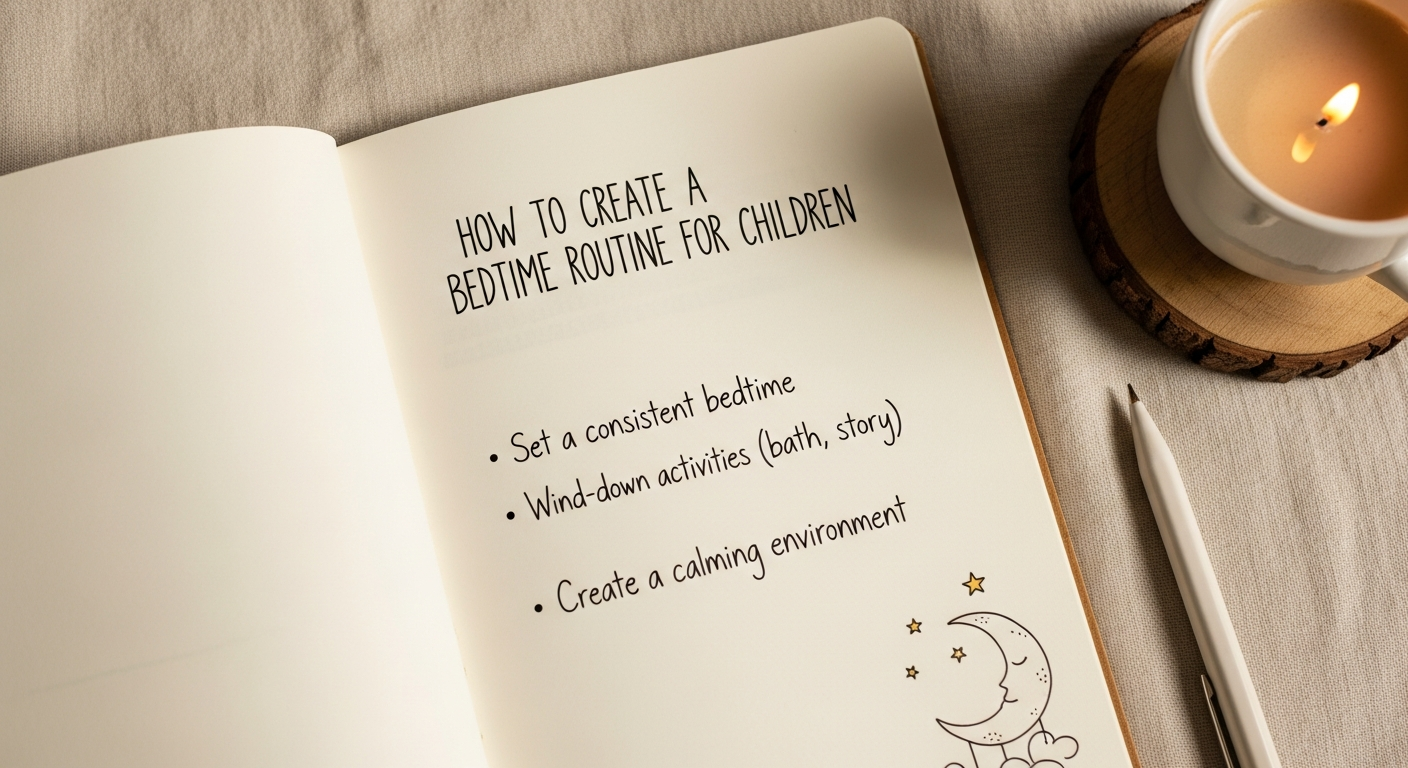
Before diving into the specifics of what activities to include, it’s crucial to establish the right environment and understanding for your child’s sleep needs. These foundational steps will significantly influence the success and sustainability of your bedtime routine.
Assessing Your Child’s Current Sleep Patterns
Every child is unique, and their sleep requirements vary based on age, temperament, and individual biological rhythms. It’s important to observe your child for a few days to understand their natural sleep and wake times, and any signs of overtiredness (rubbing eyes, yawning, irritability, hyperactivity). Here’s a general guide for age-appropriate sleep needs (including naps):
- Infants (4-12 months): 12-16 hours
- Toddlers (1-2 years): 11-14 hours
- Preschoolers (3-5 years): 10-13 hours
- School-aged Children (6-12 years): 9-12 hours
- Teenagers (13-18 years): 8-10 hours
Use these as guidelines, but ultimately, trust your instincts and your child’s cues. A child who wakes up refreshed and energetic is likely getting enough sleep.
Creating a Sleep-Conducive Environment
The physical space where your child sleeps plays a critical role in their ability to fall and stay asleep. Aim for a bedroom that is:
- Dark: Light, even dim light, can inhibit melatonin production. Use blackout curtains or blinds to block out external light. A small nightlight is acceptable if your child is afraid of the dark, but it should be a warm, dim color (red or amber) rather than blue light.
- Quiet: Minimize noise distractions. White noise machines can be very effective, especially for younger children or if you live in a noisy environment. The sound should be consistent and low-level, mimicking the womb for infants or simply masking other household sounds.
- Cool: The ideal room temperature for sleep is generally between 60-67°F (15.6-19.4°C). Overheating can disrupt sleep. Dress your child in light, breathable sleepwear.
- Safe and Comfortable: Ensure the crib or bed is safe and comfortable. Keep the room free of clutter that might be stimulating or cause anxiety. Make sure bedding is appropriate for the season and age.
Timing is Everything: Choosing the Right Bedtime
Once you know your child’s total sleep needs, work backward from their desired wake-up time. For example, if your 5-year-old needs 10-13 hours of sleep and needs to be up by 7:00 AM for school, their bedtime should ideally fall between 6:00 PM and 9:00 PM. The routine itself should start 30-60 minutes before their target lights-out time.
Look for signs of tiredness, not overtiredness. An overtired child often gets a “second wind,” becoming hyperactive and more difficult to settle. Starting the routine before they reach this point is key.
Involving Your Child (Age-Appropriately)
Giving your child a sense of control and ownership over their routine can significantly reduce resistance. For toddlers and preschoolers, this might mean offering choices, such as “Do you want to read the blue book or the red book?” or “Which pajamas would you like to wear tonight?” For older children, involve them in deciding the order of activities or choosing the stories. This fosters cooperation and makes them feel like active participants rather than passive recipients of a command. Even simple choices can empower them and make the routine feel less like a chore and more like a shared, special time.
Crafting the Core Routine: Step-by-Step Activities
The Wind-Down Hour: Why It’s Crucial
The hour leading up to bedtime should be a gradual transition from active play and stimulation to quiet relaxation. This “wind-down” period is perhaps the most critical component of any effective routine. It allows your child’s brain and body to gradually disengage from the day’s excitement and prepare for rest. Avoid any high-energy games, loud music, or stimulating conversations during this time. Instead, focus on creating a serene and calm atmosphere.
Warm Bath or Shower
A warm bath or shower is a classic and highly effective way to promote relaxation. The warm water helps to relax muscles, and the subsequent drop in body temperature after leaving the bath can actually trigger sleepiness. For younger children, bath time can be a playful yet calming activity, using gentle soaps and avoiding overly stimulating bath toys. For older children, a warm shower can be a soothing ritual. Keep the lighting dim and the atmosphere peaceful.
Quiet Activities: Reading, Puzzles, Gentle Play
Once bathed, transition into quiet, low-stimulation activities. This is the time to engage in activities that require minimal physical exertion and mental stimulation. Some excellent options include:
- Reading Books: This is arguably the cornerstone of many successful routines. Reading together fosters language development, imagination, and creates a wonderful bonding experience. Let your child choose a few books (age-appropriate).
- Puzzles or LEGOs (small, contained sets): Engaging in a quiet, focused activity can help clear their mind and prepare for sleep.
- Drawing or Coloring: Creative expression can be very calming.
- Listening to Gentle Music or Audiobooks: Soft instrumental music or age-appropriate audio stories can be incredibly soothing.
- Quiet Conversation: A gentle chat about their day, focusing on positive aspects, can help them process thoughts without getting overstimulated.
Crucially, avoid all screens (TV, tablets, phones, video games) for at least an hour, preferably two, before bedtime. The blue light emitted by these devices suppresses melatonin production, making it harder for children to fall asleep.
Pajamas and Potty
These practical steps are essential and become part of the ritual. Have your child put on comfortable pajamas. For toddlers and preschoolers, this can be an opportunity for them to practice independence by choosing their PJs. A trip to the potty or bathroom to empty their bladder before bed can prevent nighttime accidents and unnecessary wake-ups.
Brushing Teeth
Good dental hygiene is not just for health; it’s another consistent step in the bedtime routine that signals the end of the day. Make it a fun and thorough activity, teaching them proper brushing techniques from a young age.
Storytime and Cuddles
After teeth are brushed, it’s time for a final story (or two) and some dedicated cuddle time. This is a precious opportunity for one-on-one connection. Read in a calm, soothing voice. Keep the lights dim during storytime. After the story, offer hugs, kisses, and a few minutes of quiet cuddling. This physical closeness provides comfort, security, and a sense of love that helps children feel safe and ready to drift off to sleep.
Goodnight Ritual
Conclude the routine with a consistent goodnight ritual. This could be a specific phrase (“Goodnight, sleep tight, don’t let the bed bugs bite!”), a series of kisses on different parts of their face, or a quick check for monsters under the bed. Reassure them that you are close by. Then, it’s lights out. Gently remind them it’s time for sleep and leave the room, allowing them the space to fall asleep independently. Consistency in this final step reinforces the boundary between awake time and sleep time.
Addressing Common Challenges and Maintaining Consistency
Even the most perfectly crafted routine can face hurdles. Children, like adults, have off days, and external factors can disrupt even the most established patterns. The key to long-term success lies in your ability to anticipate these challenges and maintain unwavering consistency.
Dealing with Resistance and Tantrums
It’s almost inevitable that at some point, your child will resist bedtime. This could manifest as crying, stalling, negotiating, or outright tantrums. Here’s how to navigate these moments:
- Stay Calm and Firm: Your calm demeanor is crucial. Reacting with frustration or anger will only escalate the situation.
- Be Consistent: This is the golden rule. Do not give in to demands for “just one more story” or “five more minutes” once the routine has concluded. Giving in even once can teach your child that resistance works.
- Validate Feelings, Set Boundaries: Acknowledge their feelings (“I know you don’t want to go to bed, it’s hard to stop playing”), but firmly state the boundary (“but it’s bedtime, and we need to get our sleep”).
- Positive Reinforcement: Praise and reward positive behavior. “I love how quickly you got into your pajamas tonight!” or a sticker chart can be highly motivating for younger children.
- Consequences (Age-Appropriate): For older children, natural consequences can be effective. “If you take too long getting ready for bed, there won’t be time for a story.” Follow through consistently.
- Pre-Empt Stalling: Anticipate common stalling tactics (e.g., “I need a drink,” “I need to go to the potty again”) and address them before you leave the room.
Travel and Schedule Changes: Adapting the Routine
Life happens, and routines will inevitably need to flex. While consistency is paramount, rigidity can lead to unnecessary stress. When traveling or facing significant schedule changes:
- Prioritize Core Elements: Focus on the most essential parts of the routine – bath, story, cuddles. Even if the timing is off, maintaining the sequence provides comfort.
- Pack Familiar Items: Bring your child’s favorite blanket, stuffed animal, or a few familiar books. These familiar objects can provide a sense of security in a new environment.
- Adjust Gradually: If you’re changing time zones, try to adjust your child’s sleep schedule by 15-30 minutes each day leading up to the trip. Upon arrival, expose them to natural light during the day to help reset their clock.
- Return to Routine Quickly: As soon as you return home or the disruption passes, immediately go back to your established routine. The quicker you revert, the easier it will be for your child to adjust.
Screen Time Management
As mentioned, screen time before bed is a significant sleep disruptor. The blue light from screens interferes with melatonin production, making it harder to fall asleep and reducing sleep quality. To manage this:
- Implement a Strict Cut-off: No screens for at least 60-90 minutes before bedtime. This applies to all devices – TVs, tablets, phones, and computers.
- Create a “Charging Station” Outside the Bedroom: Ensure devices are not in the bedroom, tempting children to use them after lights out.
- Model Good Behavior: Parents should also reduce their screen time before bed to set a good example.
The Role of Nutrition
What your child eats and drinks, especially in the hours before bed, can impact their sleep. While a bedtime snack can be helpful for some children, choose wisely:
- Avoid Sugary Snacks and Drinks: These can provide a burst of energy, making it difficult to wind down.
- Limit Caffeine: Be mindful of hidden caffeine in sodas, chocolate, and some desserts, even for older children.
- Opt for Light, Sleep-Friendly Snacks: A small bowl of whole-grain cereal, a banana, a glass of milk, or a piece of toast can be good choices if your child is genuinely hungry. Avoid heavy or spicy meals close to bedtime.
Parental Self-Care
A calm parent is better equipped to create a calm environment for their child. The importance of parental rest and well-being cannot be overstated. When parents are overtired and stressed, it’s harder to be patient and consistent with bedtime routines. This highlights one of the crucial Womens Health Tips Every Woman Should Know: prioritizing your own sleep and mental health. A predictable bedtime routine for your child frees up evening hours, allowing you to engage in self-care, which might include meditation, reading, or simply relaxing. For women who are Fertility Health Tips Women Trying Conceive often emphasize stress reduction and adequate sleep as vital components for reproductive health. A chaotic home environment, often fueled by irregular child sleep, can contribute to elevated parental stress levels, potentially impacting fertility outcomes. By establishing a peaceful evening routine, you are not only supporting your child but also nurturing your own physical and mental reserves.
Integrating Holistic Well-being for the Family
A well-established bedtime routine for children extends its positive influence far beyond the child’s bedroom. It acts as a cornerstone for holistic family well-being, creating a ripple effect that touches upon parental health, household organization, and even long-term family dynamics. In 2026, where the lines between work and home are often blurred, such a routine becomes an invaluable asset for maintaining balance.
Parental Well-being: A Foundation for Family Health
As Veralyn Media consistently advocates, parental well-being is not a luxury; it’s a necessity. When children have a predictable bedtime, parents gain precious evening hours. This time can be dedicated to essential self-care activities, which are vital Womens Health Tips Every Woman Should Know. These might include:
- Rest and Recovery: Simply going to bed at a reasonable hour themselves, ensuring adequate sleep to recharge for the next day.
- Stress Management: Engaging in calming activities like reading, meditation, gentle exercise, or listening to music, which are crucial for mental health.
- Personal Hobbies: Pursuing interests that bring joy and a sense of personal fulfillment, often sidelined in busy family life.
- Connection with Partner: Dedicated time for communication and intimacy, strengthening the marital bond.
A child’s consistent sleep pattern reduces parental stress, which has wide-ranging health benefits, from improved cardiovascular health to enhanced immune function. When parents are well-rested and less stressed, they are more patient, present, and joyful in their interactions with their children, creating a positive feedback loop for the entire family.
Family Organization and Productivity
The predictability offered by a child’s bedtime routine also significantly impacts family organization and parental productivity. Imagine the evenings where you no longer battle over bedtime, but instead have a clear block of time. This structured time allows parents to:
- Catch Up on Household Chores: Tidying, meal prepping, or organizing for the next day can be done efficiently without constant interruption.
- Manage Work-Life Balance: For parents who work from home, a consistent bedtime is invaluable. It provides a dedicated, uninterrupted window to tackle work tasks, crucial for anyone learning How To Set Up Family Home Office. Without a predictable end to the children’s day, it’s nearly impossible to set boundaries for work and personal time, leading to burnout. This routine allows for focused work sessions, knowing the children are safely asleep.
- Plan and Reflect: Use this quiet time to plan for the week ahead, reflect on the day, or engage in personal growth activities.
This organized approach to evenings reduces morning rush stress and contributes to a smoother, more harmonious family life.
Fertility Health and Stress Reduction
While seemingly indirect, the impact of a calm household environment on parental well-being can even touch upon fertility. For women who are trying to conceive, stress is a known factor that can influence reproductive health. Fertility Health Tips Women Trying Conceive often emphasize the importance of managing stress, ensuring adequate sleep, and maintaining a balanced lifestyle. A chaotic bedtime routine for children, leading to chronic parental sleep deprivation and heightened stress, can inadvertently create an environment less conducive to conception. By establishing a peaceful and predictable evening rhythm, parents can reduce their overall stress load, improve their own sleep quality, and foster a more relaxed state, which is beneficial for overall health, including reproductive health.
Establishing Healthy Habits for Life
Beyond the immediate benefits, creating a bedtime routine instills invaluable life skills in children. They learn the importance of self-care, time management, and the benefits of structure. These habits, established early in life, lay the groundwork for healthy sleep patterns, discipline, and emotional regulation that will serve them well into adolescence and adulthood. It teaches them that sleep is a priority, not an afterthought, a lesson that will contribute to their long-term health and success.
In essence, a child’s bedtime routine is not just about sleep; it’s about nurturing a thriving family ecosystem. It empowers parents to prioritize their own health, manage their responsibilities effectively, and create a loving, stable environment where everyone can flourish.
Tailoring Routines for Different Ages and Stages
While the core principles of a bedtime routine remain consistent – predictability, calming activities, and consistency – the specific activities and approaches will naturally evolve as your child grows. Understanding these age-specific nuances ensures your routine remains effective and developmentally appropriate.
Infants (Newborn to 12 Months)
For newborns, a “routine” is more about establishing patterns than strict schedules. Their sleep is fragmented, driven by hunger. However, by 3-4 months, you can start introducing a more formal routine. The focus here is on signaling the difference between day and night.
- Key Activities: Warm bath, baby massage, quiet feeding, swaddling (if preferred), lullabies, gentle rocking. Keep interaction calm and dim the lights.
- Focus: Creating a consistent sequence of events before sleep. This teaches them that sleep is coming.
- Flexibility: Be prepared for hunger wake-ups. The routine primarily helps them learn to fall asleep, not necessarily to sleep through the night immediately.
Toddlers (1-3 Years)
This is often the age where bedtime resistance can begin as toddlers assert their independence. Routines need to be firm but also offer opportunities for choice.
- Key Activities: Bath, pajamas, brushing teeth, 2-3 short books (chosen by them), cuddles, a consistent goodnight phrase.
- Empowerment: Offer limited choices (“Do you want the blue pajamas or the red ones?”).
- Boundaries: Be firm and consistent with the “no more” rule after the routine ends. Avoid prolonged negotiations.
- Comfort Objects: Allow a favorite stuffed animal or blanket for comfort.
- Transition Objects: If they’re moving from a crib to a bed, make the transition gradual and positive.
Preschoolers (3-5 Years)
Preschoolers have vivid imaginations, which can sometimes lead to fears (monsters, darkness). The routine needs to be reassuring and engaging.
- Key Activities: Similar to toddlers, but with more emphasis on engaging stories (they can follow longer narratives), quiet conversation about their day, and addressing any fears.
- Storytelling: Read longer books or tell stories. Encourage them to “read” to you.
- Addressing Fears: Acknowledge fears without validating them. “I know you’re scared, but the monsters aren’t real, and I’m right here to keep you safe.” A quick “monster check” can be reassuring.
- Visual Aids: A visual routine chart with pictures can help them track progress and feel in control.
- Independence: Encourage them to do more steps independently (getting PJs, brushing teeth).
School-Aged Children (6-12 Years)
As children enter school, their lives become more complex with homework, extracurricular activities, and social dynamics. The routine needs to adapt to accommodate these factors while still providing a clear wind-down.
- Key Activities: Homework completion (well before bedtime), bath/shower, brushing teeth, reading (they can read independently or you can read to them), quiet hobbies (drawing, journaling), family check-in, goodnight chat.
- Flexibility with Content: They might prefer chapter books, age-appropriate podcasts, or quiet drawing instead of a picture book.
- Later Bedtime: As they get older, their bedtime will naturally shift later, but ensure they still get their required 9-12 hours of sleep.
- Digital Detox: Reinforce the no-screens rule firmly, especially with the increased access to devices at this age.
- Involvement: Involve them in planning their evening schedule, giving them ownership over their wind-down time within established boundaries.
- Pre-Sleep Decompression: Encourage them to talk about any worries from school or friends, but gently guide the conversation to a positive conclusion to avoid bedtime anxiety.
Regardless of age, the underlying goal remains the same: to provide a predictable, loving, and calming transition from the day’s activities to restful sleep, ensuring your child, and by extension, your entire family, thrives.
Frequently Asked Questions
Recommended Resources
For more on how to create, see Best Vitamins And Supplements For Women Over 30 on The Contextual Life.
You might also enjoy Date Night Outfit Ideas For Women from Fashion Goggled.