In an era increasingly defined by conscious choices and a desire for holistic well-being, the concept of beauty is undergoing a profound transformation. No longer confined to superficial aesthetics, modern beauty embraces sustainability, ethical practices, and a deep respect for our planet and our bodies. For the discerning woman navigating the complexities of contemporary life, building a sustainable beauty routine isn't just a trend; it's a commitment to a healthier self and a healthier world. At Veralyn Media, we understand that true wellness extends from within, influencing every aspect of our lives, including the products we choose to nourish our skin and enhance our natural radiance. This comprehensive guide will empower you to cultivate a beauty regimen that is effective, ethical, and enduring, ensuring your glow is as impactful as it is beautiful, well into 2026 and beyond.
Understanding Sustainable Beauty: More Than Just Eco-Friendly
The term "sustainable beauty" often conjures images of recyclable packaging and natural ingredients, but its scope is far broader. It's a holistic philosophy that encompasses environmental responsibility, social equity, and economic viability. When we talk about sustainable beauty, we're delving into a supply chain that prioritizes fair labor practices, ingredient sourcing that doesn't deplete natural resources, manufacturing processes that minimize waste and pollution, and products that are safe for both the consumer and the environment at every stage of their lifecycle.
For many women, the journey toward sustainability begins with a simple desire to make better choices for their health. Conventional beauty products can sometimes contain ingredients linked to various health concerns, including endocrine disruptors or irritants. Opting for sustainable beauty often means choosing formulations that are cleaner, more transparent, and less likely to pose risks. This aligns perfectly with broader Womens Health Tips Every Woman Should Know, emphasizing preventative care and mindful consumption for overall well-being. It's about understanding that what we put on our bodies is just as important as what we put into them.
Beyond personal health, sustainable beauty challenges us to consider our ecological footprint. From the water used to produce ingredients to the carbon emissions generated during transportation, every step has an impact. A truly sustainable approach seeks to minimize this impact, encouraging practices like water conservation, renewable energy use, and zero-waste initiatives. It also extends to the longevity and efficacy of products – a sustainable product is one you'll use completely, reducing the need for frequent replacements and thus minimizing waste. This shift requires a conscious consumer mindset, moving away from impulse purchases and towards thoughtful investments in products that align with our values and contribute positively to our health and the planet.
The Pillars of a Sustainable Beauty Routine
Building a sustainable beauty routine is akin to constructing a robust foundation for a lasting structure. It requires attention to several key areas, each contributing to the overall integrity and impact of your choices.
Ingredient Intelligence: What's Really in Your Products?
At the heart of sustainable beauty lies a deep understanding of ingredients. This pillar emphasizes transparency and efficacy, urging consumers to look beyond marketing claims and scrutinize product labels. Key considerations include:
- Clean Formulations: Prioritize products free from parabens, phthalates, sulfates, synthetic fragrances, and other potentially harmful chemicals. Many of these substances have been linked to skin irritation, allergies, and even more serious health concerns. For women trying to conceive, avoiding endocrine-disrupting chemicals (EDCs) found in some conventional beauty products is a significant part of Fertility Health Tips Women Trying Conceive, making ingredient intelligence crucial for reproductive health as well as general wellness.
- Natural and Organic: While "natural" isn't always synonymous with "safe," opting for products with a high percentage of naturally derived or organic ingredients often means fewer synthetic additives. Look for certifications from reputable organizations that verify organic content.
- Ethically Sourced Ingredients: Inquire about where ingredients come from and how they are harvested. Is the palm oil sustainably sourced? Are botanical extracts harvested without exploiting local communities or clear-cutting forests? Brands committed to sustainability will often provide this information.
- Non-Toxic and Hypoallergenic: Especially for those with sensitive skin or allergies, choosing non-toxic and hypoallergenic formulations minimizes adverse reactions and contributes to a healthier skin barrier.
- Cruelty-Free: Ensure that products and their ingredients have not been tested on animals. Look for certifications like the Leaping Bunny or PETA's global animal test-free list.
- Biodegradability: Consider how ingredients break down once they go down the drain. Microbeads, for example, are a well-known environmental pollutant, and many brands have moved away from them. Opt for natural exfoliants like jojoba beads or fruit enzymes.
Becoming an ingredient detective might seem daunting initially, but resources like the Environmental Working Group's (EWG) Skin Deep database can help you research products and their components, empowering you to make informed decisions.
Packaging Power: Reducing Waste from the Get-Go
The packaging of beauty products is a significant contributor to landfill waste. A sustainable routine actively seeks to minimize this impact through conscious choices:
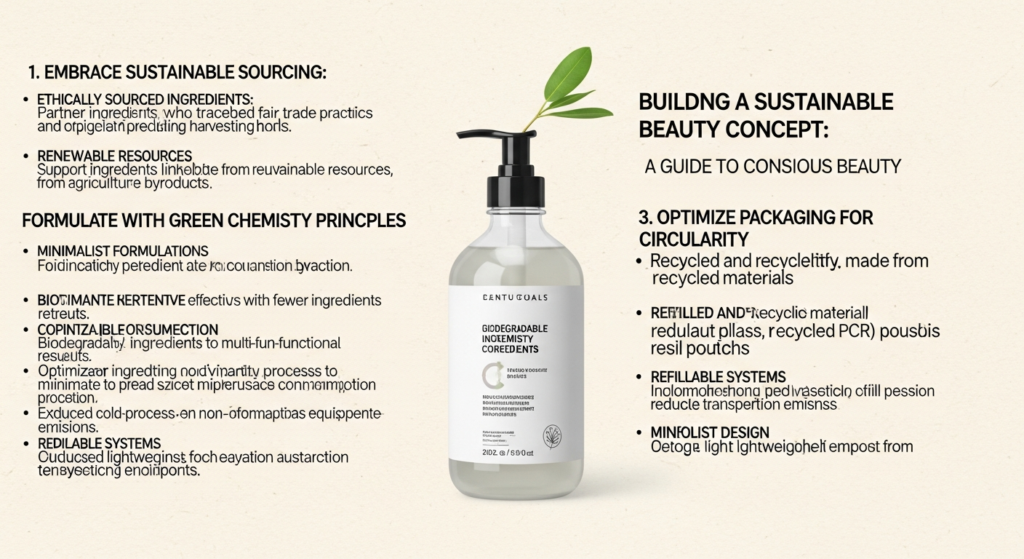
- Recyclable Materials: Choose products packaged in easily recyclable materials like glass, aluminum, or certain types of plastics (PET, HDPE). Understand your local recycling guidelines to ensure proper disposal.
- Refillable Options: An increasing number of brands offer refillable packaging for popular products like moisturizers, cleansers, and even makeup. This significantly reduces waste by allowing you to reuse a durable container.
- Minimalist Packaging: Opt for products with less extraneous packaging. Do you really need that product box, or can you purchase items with just a primary container?
- Post-Consumer Recycled (PCR) Content: Support brands that use PCR plastics or glass in their packaging, giving new life to materials that have already been recycled.
- Zero-Waste Alternatives: Explore solid beauty bars (shampoo, conditioner, body wash, face wash), powdered products that you mix with water, or products packaged in compostable materials.
- Upcycling and Repurposing: Before tossing a container, consider if it can be cleaned and repurposed for other uses around your home or even in your How To Set Up Family Home Office for storing small items like paperclips or pens.
Your choice of packaging can make a tangible difference in the amount of waste that ends up in landfills and oceans, contributing to a circular economy where resources are reused rather than discarded.
Mindful Consumption: Quality Over Quantity
The beauty industry often encourages impulse buying and the accumulation of numerous products. Mindful consumption, a cornerstone of sustainability, challenges this narrative:
- Declutter Your Stash: Start by assessing what you already own. Discard expired products and donate or gift items that are still good but unused. A clear inventory helps prevent duplicate purchases.
- Invest in Multi-Tasking Products: Look for items that serve multiple purposes, such as a tinted moisturizer with SPF, a balm that works for lips and cuticles, or a cleanser that also removes makeup. This reduces the number of products you need to buy and store.
- Research Before You Buy: Instead of succumbing to marketing hype, take the time to research product reviews, ingredient lists, and brand philosophies. Make informed decisions based on your needs and values.
- Finish What You Start: Commit to using products until they are empty before purchasing replacements. This not only reduces waste but also helps you truly assess a product's efficacy.
- Buy Less, Choose Well: This mantra encourages investing in fewer, higher-quality products that are effective and last longer, rather than accumulating a multitude of cheaper, less effective items.
Mindful consumption isn't just about saving money; it's about valuing resources, reducing waste, and fostering a more intentional relationship with your beauty routine.
Ethical Sourcing and Brand Values
Beyond ingredients and packaging, the ethical backbone of a brand is crucial for a truly sustainable beauty routine. This involves:
- Fair Trade Practices: Support brands that ensure fair wages, safe working conditions, and community development for their ingredient suppliers, particularly in developing countries.
- Social Responsibility: Investigate if brands give back to communities, support environmental causes, or have initiatives that promote social good.
- Transparency: Look for brands that are open about their supply chains, manufacturing processes, and environmental impact. Reputable brands will often publish sustainability reports or detailed information on their websites.
- Certifications: Beyond organic and cruelty-free, look for certifications like B Corp, which signifies a company meets high standards of social and environmental performance, transparency, and accountability.
Choosing brands with strong ethical values transforms your beauty purchases into a vote for a better world, aligning your consumer power with your personal principles.
Building Your Core Sustainable Beauty Regimen (Step-by-Step)
Transitioning to a sustainable beauty routine doesn't have to be an overnight overhaul. It's a gradual process of conscious choices and thoughtful replacements. Here's a step-by-step guide to help you build your core regimen.
Declutter and Detox: A Fresh Start
Begin by taking stock of your current beauty collection. Gather all your products – skincare, makeup, hair care, body care – and assess each item:
- Check Expiration Dates: Many products have a "period after opening" (PAO) symbol (an open jar icon with a number followed by 'M', e.g., 12M). Discard anything past its prime, as efficacy can diminish and bacteria can grow.
- Identify Unused Items: Be honest about what you actually use. If a product has been sitting untouched for months, it's likely not serving you.
- Research Ingredients: Use this opportunity to research the ingredients in your current favorites. Are there any "red flag" ingredients you wish to avoid going forward?
- Dispose Responsibly: For products you're discarding, empty and clean recyclable containers if possible. Check if local waste management offers special disposal for chemical-containing products.
A decluttered space is a clear mind, and this fresh start allows you to build your sustainable routine with intention.
The Essential Steps: Cleanse, Treat, Moisturize, Protect
A minimalist, sustainable routine focuses on core steps that deliver maximum benefits. These foundational steps are crucial for skin health and can be adapted to be highly sustainable:
- Cleanse: Start with a gentle, effective cleanser.
- Sustainable Choice: Opt for a solid cleansing bar, a refillable liquid cleanser, or one packaged in glass or PCR plastic. Look for formulas with natural, biodegradable ingredients. A soft, reusable cotton pad for makeup removal instead of disposable wipes is also an excellent sustainable swap.
- Treat (Serums/Targeted Treatments): Address specific skin concerns with targeted serums.
- Sustainable Choice: Choose serums in glass dropper bottles that can be recycled or repurposed. Focus on powerful, multi-tasking ingredients like Vitamin C, hyaluronic acid, or niacinamide to minimize the need for multiple products.
- Moisturize: Hydration is key for a healthy skin barrier.
- Sustainable Choice: Select moisturizers in refillable jars or tubes made from PCR materials. Consider oil-based moisturizers that often come in glass bottles and are highly concentrated, meaning a little goes a long way.
- Protect (SPF): Non-negotiable for preventing sun damage and premature aging.
- Sustainable Choice: Look for mineral sunscreens (zinc oxide, titanium dioxide) that are "reef-safe" to protect marine ecosystems. Seek out brands using innovative sustainable packaging for their SPF products.
Remember, consistency with a few high-quality, sustainable products will yield better results than an elaborate routine with questionable ingredients or packaging.
Integrating Eco-Friendly Practices
Beyond the products themselves, integrate sustainable habits into your routine:
- Water Conservation: Turn off the tap while cleansing or brushing teeth. Opt for quick showers. Small changes add up.
- Reusable Accessories: Swap disposable cotton pads for reusable ones, invest in washable makeup remover cloths, and consider a safety razor over disposable plastic ones.
- Air Dry When Possible: For hair, reduce reliance on heat styling tools by air-drying your hair whenever feasible, saving energy.
- Mindful Disposal: Always clean and separate your recyclables according to local guidelines. Research local programs for hard-to-recycle items like empty makeup compacts or aerosol cans.
These practices reinforce your commitment to a sustainable lifestyle, extending beyond your beauty shelf.
Beyond the Basics: Advanced Tips for a Truly Sustainable Lifestyle
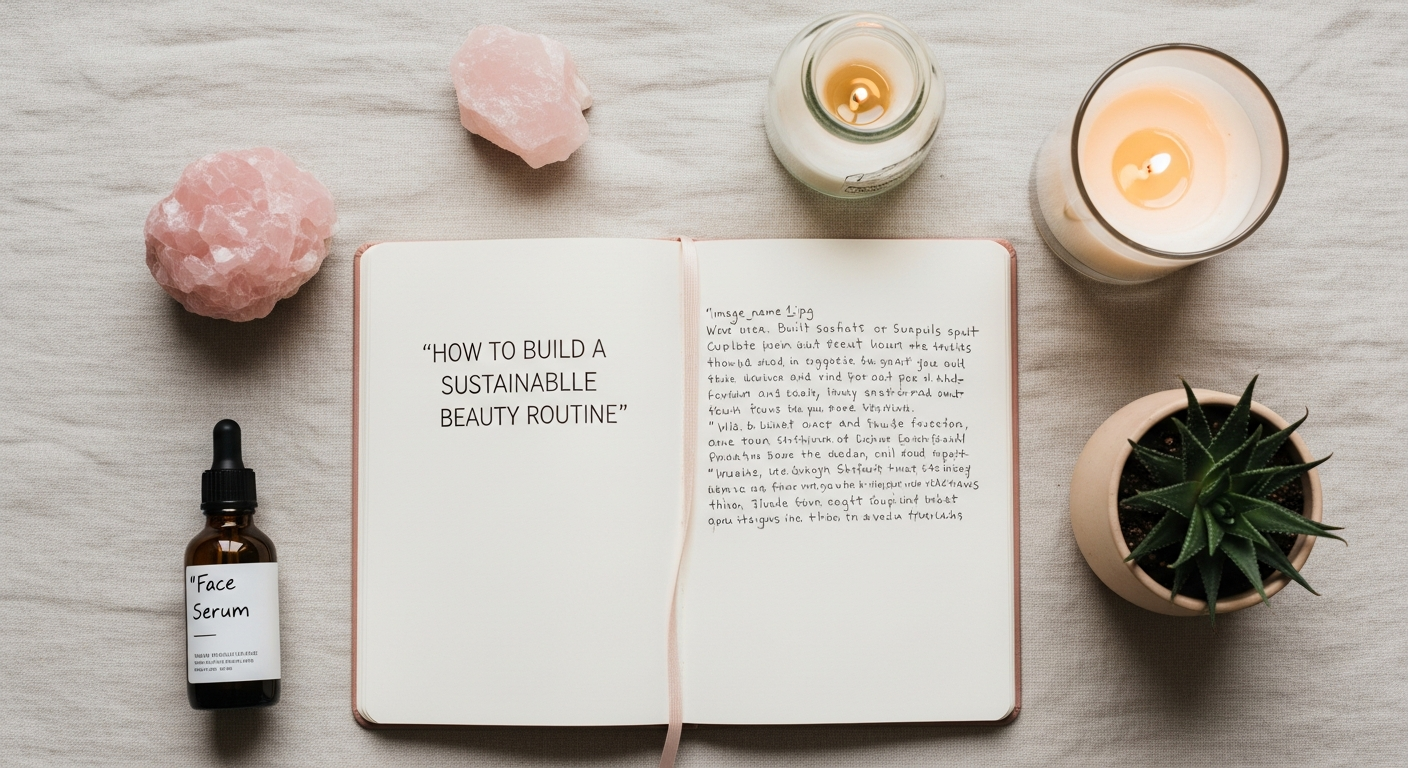
Once you've mastered the core sustainable beauty routine, you might be ready to explore more advanced strategies that deepen your commitment to wellness and ecological responsibility.
DIY Beauty: Simple, Natural, Effective
For those who enjoy a hands-on approach, creating your own beauty products can be incredibly sustainable and cost-effective. By using simple, whole ingredients, you eliminate packaging waste, control exactly what goes onto your skin, and avoid potentially harmful additives. Consider:
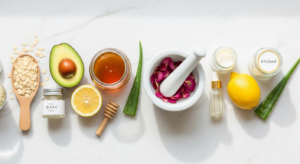
- Facial Masks: Ingredients like oatmeal, honey, yogurt, and mashed avocado can create nourishing masks.
- Body Scrubs: A mixture of sugar or salt with coconut oil and essential oils makes an excellent natural exfoliant.
- Hair Rinses: Apple cider vinegar diluted with water can be a fantastic clarifying rinse for hair.
- Moisturizers: Shea butter, cocoa butter, and various carrier oils (jojoba, almond, argan) can be blended to create rich, natural moisturizers.
Always research recipes from reputable sources and perform patch tests before applying new DIY creations to your entire face or body. This approach not only provides natural care but also connects you more intimately with the ingredients and their benefits.
Water Conservation in Your Routine
Water is a precious resource, and its mindful use in our daily routines is a critical aspect of sustainability. Beyond turning off the tap while brushing your teeth, consider:
- Waterless Products: Explore solid shampoo and conditioner bars, powdered cleansers, or concentrated formulas that require minimal water for application or rinsing.
- Efficient Showers: Aim for shorter showers and consider installing a low-flow showerhead.
- Rethink Bathing Frequency: While personal hygiene is important, not every part of your body needs daily washing with soap. Targeted washing can be sufficient on some days.
These small adjustments contribute significantly to global water conservation efforts and align with a broader commitment to environmental stewardship.
Repurposing and Upcycling
Before you recycle or discard an empty beauty container, think about its potential for a second life. Creative repurposing reduces waste and adds a unique touch to your home or office:
- Glass Jars: Cleaned candle jars, moisturizer pots, or serum bottles can become elegant holders for cotton swabs, hair ties, pens in your How To Set Up Family Home Office, or even mini planters for succulents.
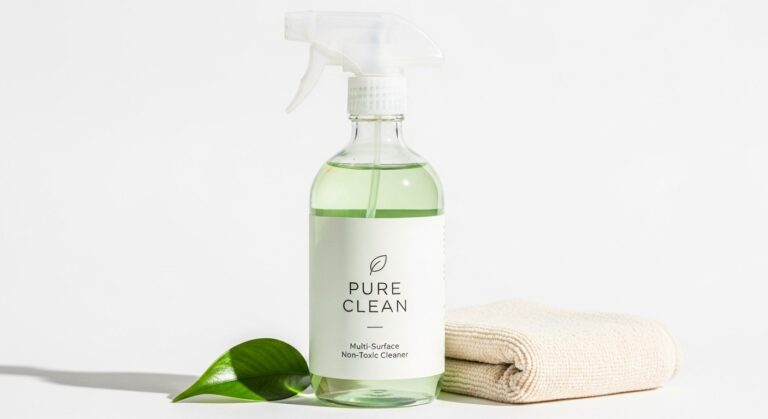
- Spray Bottles: Cleaned mist bottles can be refilled with DIY linen sprays, plant mister, or water for styling hair.
- Compact Cases: Empty eyeshadow palettes or blush compacts can be cleaned and used to store small trinkets, pins, or even as a travel pill case.
This practice fosters creativity and extends the life cycle of materials, embodying the "reduce, reuse, recycle" mantra.
The Link Between Inner Wellness and Outer Radiance
A truly sustainable beauty routine recognizes that external appearance is often a reflection of internal health. Integrating wellness practices into your life profoundly impacts your skin's vitality. This is where Womens Health Tips Every Woman Should Know seamlessly intertwine with your beauty regimen:
- Nutrition: A diet rich in fruits, vegetables, healthy fats (like omega-3s), and lean proteins provides the essential nutrients for healthy skin cell turnover, collagen production, and antioxidant protection.
- Hydration: Adequate water intake is crucial for skin elasticity, plumpness, and detoxification. Dehydrated skin often looks dull and can exacerbate fine lines.
- Sleep: Quality sleep allows your skin to repair and regenerate. Lack of sleep can lead to dark circles, dullness, and compromised skin barrier function.
- Stress Management: Chronic stress can trigger skin issues like acne, eczema, and premature aging. Practices like mindfulness, meditation, yoga, or spending time in nature are vital for both mental well-being and clear skin.
- Regular Exercise: Boosts circulation, delivering oxygen and nutrients to skin cells, and aids in detoxification, contributing to a healthy glow.
By prioritizing these foundational aspects of women's health, you create a synergy where your sustainable beauty routine works in harmony with your body's natural processes, yielding genuine, lasting radiance.
The Long-Term Benefits of Sustainable Beauty
Embracing a sustainable beauty routine is more than just a passing trend; it's an investment that yields significant returns, not only for you but for the wider world. The benefits extend far beyond the immediate glow of your skin.
Healthier Skin, Healthier You
Perhaps the most immediate and tangible benefit is the improvement in your skin's health. By choosing cleaner formulations free from harsh chemicals, synthetic fragrances, and potential irritants, you reduce the burden on your skin. This often leads to:
- Reduced Sensitivity and Irritation: Fewer questionable ingredients mean a lower likelihood of redness, itching, or breakouts.
- Improved Skin Barrier Function: Gentle, nourishing ingredients support your skin's natural protective barrier, making it more resilient against environmental aggressors.
- Enhanced Natural Radiance: When your skin is healthy and balanced, it can better perform its natural functions, leading to a clearer, more vibrant complexion.
- Reduced Toxin Exposure: Minimizing exposure to endocrine disruptors and other potentially harmful chemicals is a critical aspect of overall wellness, especially pertinent for those following Fertility Health Tips Women Trying Conceive, where chemical exposure can be a concern.
Ultimately, a sustainable beauty routine contributes to a healthier you, inside and out, fostering a sense of vitality and confidence that stems from true well-being.
Financial Savings
While some sustainable products might have a higher initial price point, the long-term financial benefits are substantial:
- Less Waste, Less Spending: By focusing on multi-tasking products and mindful consumption, you buy fewer items overall.
- Longevity of Products: High-quality, concentrated sustainable products often last longer, requiring less frequent repurchase.
- Reduced Need for Corrective Treatments: Healthier skin, maintained with gentle and effective products, may reduce the need for expensive treatments to address issues caused by harsh chemicals or neglect.
- DIY Savings: If you venture into making your own products, the cost savings can be significant.
Investing in sustainable beauty is often an investment in efficiency and longevity, ultimately saving you money over time.
Positive Environmental Impact
Your choices, when multiplied by millions of conscious consumers, create a powerful ripple effect on the environment:
- Reduced Landfill Waste: Through refillable packaging, recyclable materials, and minimalist design, you contribute less to overflowing landfills.
- Lower Carbon Footprint: Brands committed to sustainable practices often prioritize renewable energy, localized sourcing, and efficient transportation, reducing greenhouse gas emissions.
- Protection of Biodiversity: Ethically sourced ingredients and a rejection of harmful chemicals help protect ecosystems, animal welfare, and natural resources.
- Cleaner Waterways: Biodegradable ingredients and the avoidance of microplastics prevent pollution of oceans and freshwater sources.
Every sustainable choice you make is a vote for a healthier planet, contributing to a future where beauty and nature coexist harmoniously.
A Sense of Purpose and Connection
Beyond the tangible benefits, adopting a sustainable beauty routine fosters a deeper sense of purpose and connection. It's an affirmation of your values, a way to align your daily rituals with your commitment to ethical living. This conscious consumerism can be incredibly empowering, connecting you to a global movement of individuals striving for a more responsible and compassionate world. It cultivates an appreciation for the natural world and a mindful approach to self-care that feels deeply satisfying and authentic.
Sustainable Beauty in a Busy Woman's Life
For the modern woman juggling career, family, and personal aspirations, the idea of adding "sustainable" to an already packed routine might seem overwhelming. However, sustainable beauty is inherently about efficiency, intentionality, and simplicity – qualities that perfectly complement a busy lifestyle. It's not about adding more steps; it's about making smarter choices within your existing framework.
Consider the woman who has recently learned How To Set Up Family Home Office, balancing professional demands with domestic responsibilities. Her beauty routine needs to be effective, quick, and fuss-free. Sustainable beauty, with its emphasis on multi-tasking products and streamlined steps, fits this perfectly. Instead of a dozen products, she might rely on a few high-performing, clean essentials that deliver results without unnecessary complexity or time investment. A minimalist approach not only saves time but also reduces decision fatigue, freeing up mental space for other important tasks, like managing work projects or nurturing family connections.
Furthermore, the focus on cleaner ingredients in sustainable beauty is a natural extension of a holistic approach to women's health. For example, women who are actively pursuing Fertility Health Tips Women Trying Conceive are often advised to minimize exposure to environmental toxins and endocrine-disrupting chemicals. By consciously choosing beauty products free from these substances, they are actively supporting their reproductive health without adding complex new steps to their daily regimen. It becomes an integrated part of their overall wellness strategy, rather than an additional chore.
Creating a dedicated, organized space for your sustainable beauty essentials, much like organizing a functional home office, can also streamline your routine. Knowing exactly where your few, high-quality products are, and having them easily accessible, makes the process smoother and more enjoyable. It reinforces the idea that self-care, even in its simplest forms, is a priority that deserves a designated space and efficient execution.
Ultimately, sustainable beauty for the busy woman is about making intentional choices that serve both her personal well-being and her commitment to the planet, without demanding excessive time or effort. It's about finding harmony between efficiency, efficacy, and ethical living, allowing her to radiate confidence and health, naturally and effortlessly, through every demanding day.
Frequently Asked Questions About Sustainable Beauty
What does "clean beauty" mean, and is it the same as "sustainable beauty"?
While often used interchangeably, "clean beauty" primarily refers to products formulated without ingredients potentially harmful to human health, such as parabens, sulfates, or synthetic fragrances. "Sustainable beauty" is a broader term that encompasses clean formulations but also extends to environmental impact (packaging, sourcing, manufacturing), ethical labor practices, and social responsibility throughout the entire product lifecycle. So, clean beauty is a component of sustainable beauty, but not the whole picture.
How can I tell if a beauty brand is truly sustainable?
Look for transparency. Sustainable brands will openly share information about their ingredient sourcing, manufacturing processes, packaging materials, and labor practices on their websites or in sustainability reports. Certifications from reputable third parties (like B Corp, Leaping Bunny, Fair Trade, USDA Organic) are strong indicators. Be wary of "greenwashing" – vague claims without supporting evidence. Research is key!
Is sustainable beauty more expensive?
Initially, some sustainable products might have a higher price point due to ethical sourcing, higher quality ingredients, or innovative packaging. However, many sustainable products are concentrated, multi-tasking, or come in refillable formats, meaning they last longer and reduce overall consumption. Over time, investing in fewer, higher-quality sustainable products can often lead to financial savings compared to frequently purchasing numerous conventional products.
What are some easy first steps to transition to a sustainable beauty routine?
Start small! Begin by replacing one product at a time as it runs out. Consider swapping your shampoo/conditioner for solid bars, opting for a reusable cotton pad set, or choosing a moisturizer in refillable packaging. Focus on decluttering your current stash, using what you have, and then making conscious, informed replacements based on your biggest concerns (e.g., plastic waste, specific ingredients).
How does sustainable beauty relate to overall women's health?
Sustainable beauty aligns closely with women's health by promoting products free from potentially harmful chemicals, including endocrine disruptors, which can impact hormonal balance and reproductive health. Choosing cleaner products minimizes exposure to these substances, supporting general well-being and specifically aiding concerns addressed in Fertility Health Tips Women Trying Conceive. Furthermore, the holistic approach of sustainable beauty encourages mindful consumption and connection to nature, contributing to mental and physical health.
Can I still have an effective beauty routine if I switch to sustainable products?
Absolutely! Sustainable beauty doesn't mean sacrificing efficacy. Many sustainable brands are at the forefront of innovation, utilizing potent natural ingredients and advanced green chemistry to create highly effective products. The focus is often on quality over quantity, meaning a streamlined routine with a few high-performing sustainable products can deliver superior results compared to an extensive routine with conventional, less effective items.
Recommended Resources
For more on how to build, see Celebrity Perfume Choices And Trends on Celebrity Exchange.
You might also enjoy What Is Mindfulness And How To Practice It Daily from Sometimes Daily.