The Foundation: Understanding Your Skin for Optimal Smoothness
Before diving into product recommendations and elaborate steps, the cornerstone of any effective body care routine for smooth skin is a deep understanding of your own skin. Just as you tailor your facial skincare, your body skin also has unique needs and characteristics that influence the best approach.
Your skin type – whether dry, oily, sensitive, or combination – extends beyond your face. Dry skin on the body might manifest as flakiness, tightness, or itchiness, often exacerbated by environmental factors or harsh products. Oily skin can lead to body breakouts, particularly on the back or chest. Sensitive skin reacts easily to irritants, requiring gentle formulations. Understanding these nuances helps you select products that nurture rather than irritate.
Beyond general types, several common issues can act as barriers to achieving smooth skin. These include:
- Dryness & Dehydration: The most prevalent culprit, leading to rough, dull, and sometimes scaly skin. Lack of moisture weakens the skin’s barrier function.
- Rough Patches: Often found on elbows, knees, and heels, these areas experience more friction and tend to accumulate dead skin cells.
- Keratosis Pilaris (KP): Characterized by tiny, harmless bumps (often red or skin-colored) typically on the upper arms, thighs, or buttocks. It’s caused by a buildup of keratin that plugs hair follicles.
- Ingrown Hairs: Occur when hair curls back or grows sideways into the skin, causing red, itchy bumps. Common after shaving, waxing, or epilating.
- Uneven Texture & Tone: Can result from sun exposure, post-inflammatory hyperpigmentation (after breakouts or ingrowns), or general wear and tear, making the skin appear less smooth and uniform.
The skin’s structure itself plays a crucial role. The outermost layer, the epidermis, is constantly renewing its cells. A healthy cell turnover rate ensures that fresh, plump cells reach the surface, contributing to smoothness and radiance. Factors like genetics, environmental exposure (sun, wind, pollution), diet, and internal hydration levels all significantly impact this process and, consequently, your skin’s texture. By recognizing these elements, you lay the groundwork for a truly effective body care routine for smooth skin that addresses root causes, not just symptoms.
Building Your Core Body Care Routine: The Daily & Weekly Essentials
A truly effective body care routine for smooth skin hinges on a consistent, multi-step approach that cleanses, exfoliates, and moisturizes. Each step plays a vital role in removing impurities, shedding dead skin cells, and locking in essential hydration.
Cleansing: The First Step to Purity
Cleansing your body is more than just washing away dirt; it’s about preparing your skin to absorb subsequent treatments and maintaining its natural balance. The goal is to remove impurities, sweat, and pollutants without stripping your skin of its natural oils, which are crucial for maintaining its protective barrier and preventing dryness.
- Choose Wisely: Opt for gentle, hydrating body washes or cleansing oils. Look for formulations that are sulfate-free, pH-balanced, and enriched with moisturizing ingredients like glycerin, ceramides, or natural oils. Avoid harsh bar soaps that can disrupt the skin’s acid mantle and leave it feeling tight and dry.
- Temperature Matters: Use lukewarm water, not hot water. Hot showers can strip the skin of its natural oils, leading to dryness and irritation, which directly counteracts your goal of smooth skin.
- Application Technique: Use your hands or a soft washcloth to gently lather and cleanse your skin. While loofahs can provide light exfoliation, ensure they are regularly cleaned and replaced to prevent bacterial buildup. Focus on areas prone to sweat and oil, but don’t neglect other parts of your body.
- Rinse Thoroughly: Ensure all traces of cleanser are rinsed away to prevent residue buildup, which can irritate the skin or clog pores.
A good cleanse sets the stage, creating a clean canvas for the next crucial steps in your body care routine for smooth skin.
Exfoliation: Unveiling Radiant Skin
Exfoliation is arguably the most transformative step in achieving truly smooth skin. It involves removing dead skin cells from the surface, which accumulate over time and can make skin appear dull, rough, and flaky. By shedding these cells, you reveal the fresher, smoother skin underneath, improve cell turnover, and enhance the absorption of moisturizers. It also helps prevent ingrown hairs and can reduce the appearance of keratosis pilaris.
There are two primary types of exfoliation, and understanding their differences will help you choose the best option for your skin:
- Physical Exfoliation:
- How it works: Uses abrasive particles or tools to manually scrub away dead skin cells.
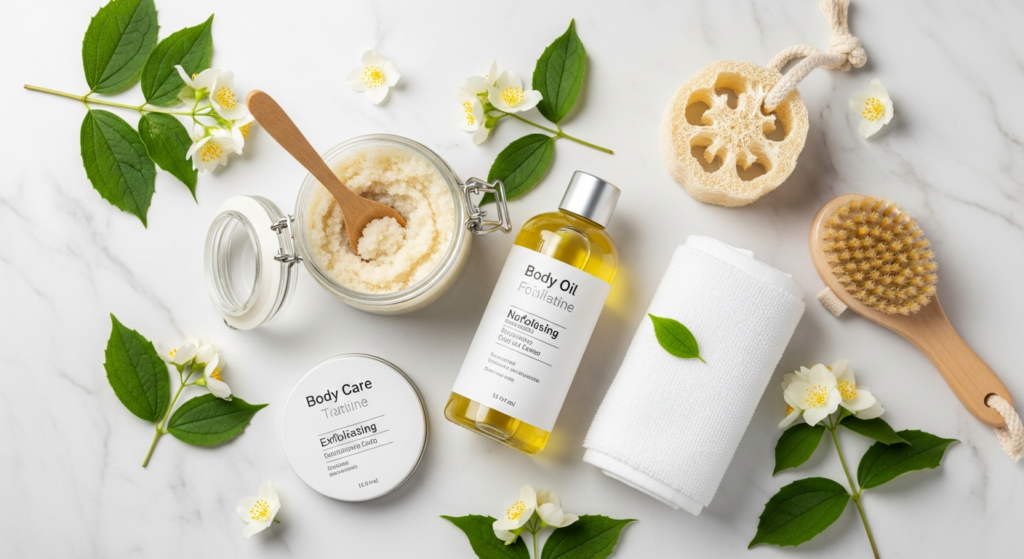
- Examples: Body scrubs (sugar, salt, coffee grounds), exfoliating gloves, dry brushes, loofahs.
- Usage: Apply to damp skin in circular motions, then rinse.
- Frequency: Generally recommended 1-3 times a week, depending on your skin’s sensitivity and the scrub’s intensity. Over-exfoliating can lead to irritation and damage the skin barrier.
- Benefits: Immediate gratification of smoother skin, improved circulation, and a tactile experience.
- Chemical Exfoliation:
- How it works: Uses acids to dissolve the bonds between dead skin cells, allowing them to slough off naturally.
- Examples:
- Alpha Hydroxy Acids (AHAs): Such as glycolic acid and lactic acid. Water-soluble, they work on the skin’s surface, improving texture, tone, and hydration. Excellent for dry or sun-damaged skin.
- Beta Hydroxy Acids (BHAs): Such as salicylic acid. Oil-soluble, they can penetrate deeper into pores, making them ideal for oily or acne-prone skin and effective against ingrown hairs and KP.
- Usage: Often found in body washes, lotions, or dedicated body treatments. Follow product instructions carefully.
- Frequency: Can range from daily (in mild formulations) to a few times a week. Start slowly to assess your skin’s tolerance.
- Benefits: More even exfoliation, can address specific concerns like KP or body acne, and often provides longer-lasting results.
Important Note: Never over-exfoliate. Listen to your skin. If you experience redness, irritation, or excessive dryness, reduce the frequency or switch to a milder product. Always follow exfoliation with a rich moisturizer to replenish hydration.
Moisturizing: Locking in Hydration and Softness
After cleansing and exfoliating, moisturizing is the critical final step in your body care routine for smooth skin. It replenishes lost hydration, strengthens the skin’s natural barrier, and creates a soft, supple texture. Without adequate moisture, skin can become dry, tight, itchy, and prone to flaking, undoing all the good work of the previous steps.
- Timing is Everything: The absolute best time to moisturize is immediately after showering or bathing, while your skin is still damp. This traps the water on your skin’s surface, enhancing hydration and allowing the moisturizer to penetrate more effectively. Pat your skin gently with a towel, leaving it slightly moist before applying your chosen product.
- Ingredients to Seek Out: Look for moisturizers packed with beneficial ingredients:
- Humectants: Draw moisture from the air into the skin (e.g., hyaluronic acid, glycerin, urea).
- Emollients: Smooth and soften the skin, filling in gaps between skin cells (e.g., ceramides, fatty acids, shea butter, squalane).
- Occlusives: Create a protective barrier on the skin’s surface to prevent moisture loss (e.g., petroleum jelly, mineral oil, lanolin, dimethicone).
- Product Forms: The market offers a variety of textures to suit different skin types and preferences:
- Lotions: Lightweight, easily absorbed, good for normal to slightly dry skin.
- Creams: Richer and thicker than lotions, providing more intense hydration, ideal for dry skin.
- Body Butters: Very thick and nourishing, excellent for severely dry areas like elbows, knees, and heels, or for very dry skin types.
- Body Oils: Provide a luxurious feel and excellent occlusive properties, best applied to damp skin to lock in moisture.
- Balms: Highly concentrated, perfect for targeted treatment of extremely dry or cracked areas.
- Application Technique: Apply a generous amount of moisturizer to your entire body. Pay extra attention to areas prone to dryness like shins, elbows, and knees. Massage it in gently using upward strokes to stimulate circulation.
Consistent moisturizing not only makes your skin feel incredible but also contributes to its long-term health and resilience, ensuring that your body care routine for smooth skin delivers lasting results.
Elevating Your Routine: Advanced Strategies for Unparalleled Smoothness
Dry Brushing: An Ancient Ritual for Modern Glow
Dry brushing is a simple yet powerful technique that involves brushing your skin with a stiff-bristled brush before showering. This ancient practice offers a multitude of benefits for skin health and overall vitality.
- Benefits:
- Gentle Exfoliation: Helps to slough off dead skin cells, immediately making skin feel smoother.
- Lymphatic Support: Stimulates the lymphatic system, which is responsible for flushing toxins from the body. This can help reduce puffiness and improve overall detoxification.
- Improved Circulation: The brushing action boosts blood flow to the skin’s surface, promoting a healthy glow and potentially reducing the appearance of cellulite over time.
- Energy Boost: Many find dry brushing to be invigorating, making it a great start to the day.
- How-To Guide:
- Choose a natural bristle brush with a long handle to reach your back.
- Always brush on dry skin, before you get into the shower.
- Start at your feet and brush upwards towards your heart using long, sweeping strokes.
- Move to your legs, arms, and torso, always brushing towards your heart.
- Use lighter pressure on sensitive areas and avoid broken skin or rashes.
- Follow immediately with a shower to wash away exfoliated skin cells, then apply a rich moisturizer.
- Frequency: 3-5 times a week is generally recommended, but adjust based on your skin’s sensitivity.
Body Serums and Treatments: Targeted Solutions
Just like facial serums, body serums and targeted treatments are formulated with higher concentrations of active ingredients to address specific concerns. Incorporating these can significantly enhance your body care routine for smooth skin.
- Vitamin C: A powerful antioxidant that brightens skin tone, reduces hyperpigmentation, and stimulates collagen production for firmer, smoother skin. Look for body lotions or serums containing stable forms of Vitamin C.
- Retinoids (Retinol): While potent, body-specific retinoid formulations can significantly improve skin texture, reduce the appearance of fine lines, and address hyperpigmentation. Start with a low concentration and gradually increase, always using sunscreen, as retinoids can increase sun sensitivity. Consult a dermatologist before using, especially if you have sensitive skin or are pregnant.
- Niacinamide (Vitamin B3): Known for its barrier-strengthening properties, niacinamide can reduce redness, improve skin elasticity, and minimize the appearance of pores and uneven texture. It’s well-tolerated by most skin types.
- Hyaluronic Acid: While often found in moisturizers, a dedicated hyaluronic acid body serum can provide an extra boost of hydration, plumping the skin and making it feel incredibly smooth.
Apply these treatments to clean, dry skin before your regular moisturizer, allowing them to absorb fully.
Body Masks and Wraps: Spa-Like Indulgence at Home
For an occasional deep treatment, body masks and wraps offer a luxurious way to infuse your skin with concentrated ingredients.
- Hydrating Masks: Often rich in emollients, humectants, and soothing botanicals, these can quench severely dry skin, leaving it soft and supple.
- Detoxifying Masks: Formulated with clays (like bentonite or kaolin) or charcoal, these can draw out impurities, refine pores, and leave skin feeling purified.
- Firming Masks: Contain ingredients like caffeine, peptides, or antioxidants designed to temporarily tighten and tone the skin.
Apply a generous layer to clean skin, leave on for the recommended time (usually 10-20 minutes), and rinse off or massage in any excess, depending on the product instructions. This can be a wonderful weekly or bi-weekly addition to your body care routine for smooth skin.
Sun Protection: The Ultimate Anti-Aging and Smooth Skin Ally
No body care routine for smooth skin is complete without daily sun protection. Sun exposure is the leading cause of premature aging, including wrinkles, hyperpigmentation, loss of elasticity, and a rough, uneven texture.
- Broad-Spectrum SPF: Apply a broad-spectrum sunscreen with an SPF of 30 or higher to all exposed skin every single day, regardless of the weather.
- Reapplication: Reapply every two hours, or more frequently if swimming or sweating.
- Benefits: Consistent sun protection prevents sun damage, maintains an even skin tone, preserves collagen and elastin (keeping skin firm and smooth), and significantly reduces the risk of skin cancer.
By integrating these advanced strategies, you’re not just maintaining your skin; you’re actively working to transform it, ensuring your body care routine for smooth skin delivers exceptional, long-lasting results.
Holistic Harmony: Lifestyle Choices for Skin Health and Overall Well-being
Achieving truly smooth and radiant skin isn’t solely about what you apply topically. Your lifestyle choices – what you consume, how you manage stress, and the quality of your sleep – profoundly impact your skin’s health from within. This holistic approach is a critical component of any comprehensive body care routine for smooth skin and aligns perfectly with broader wellness principles.
Hydration from Within: The Power of Water
It may seem obvious, but adequate water intake is fundamental for supple skin. When your body is dehydrated, your skin is one of the first organs to show it. Dehydrated skin appears dull, lacks elasticity, and can accentuate fine lines and rough patches.
- Plumpness & Elasticity: Water helps maintain skin cell volume, keeping it plump and resilient.
- Toxin Flush: Proper hydration aids in the body’s natural detoxification processes, which can reflect in clearer, healthier skin.
- Barrier Function: It supports the skin’s natural barrier function, making it more effective at protecting against external aggressors.
Aim for at least eight glasses of water daily, and more if you’re active or in a hot climate. Herbal teas and water-rich fruits and vegetables also contribute to your daily fluid intake.
Nutrition for a Radiant Complexion
Your diet provides the building blocks and protective nutrients your skin needs to thrive. A balanced diet rich in specific vitamins, minerals, and healthy fats can significantly improve skin texture and tone.
- Antioxidants: Found in colorful fruits and vegetables (berries, leafy greens, bell peppers), antioxidants combat free radical damage from environmental stressors, which can otherwise lead to dullness and premature aging.
- Healthy Fats: Omega-3 and omega-6 fatty acids (from fish, flaxseeds, walnuts, avocados) are crucial for maintaining the skin’s lipid barrier, locking in moisture, and reducing inflammation. This directly translates to smoother, more supple skin.
- Vitamins A, C, & E: These vitamins are skin superstars. Vitamin A supports cell turnover, Vitamin C is vital for collagen production and brightening, and Vitamin E is a powerful antioxidant that protects the skin.
- Zinc: Important for wound healing and reducing inflammation, beneficial for those with body breakouts.
Minimize processed foods, excessive sugar, and unhealthy fats, as these can contribute to inflammation and negatively impact skin health.
Sleep: Your Skin’s Best Repair Cycle
Quality sleep is not a luxury; it’s a necessity for healthy, smooth skin. During sleep, your body goes into repair mode, and your skin is no exception.
- Cell Regeneration: Skin cell turnover accelerates during deep sleep, allowing older, damaged cells to be replaced by new, healthier ones.
- Collagen Production: Sleep promotes the production of collagen and elastin, the proteins that keep skin firm, smooth, and elastic.
- Reduced Inflammation: Lack of sleep can increase cortisol levels, leading to inflammation and potentially exacerbating skin conditions.
Aim for 7-9 hours of uninterrupted sleep each night to allow your skin ample time for rejuvenation.
Stress Management: A Serene Mind, Smooth Skin
Chronic stress takes a significant toll on your entire body, and your skin is often the first place it shows. When stressed, your body releases hormones like cortisol, which can trigger inflammation, impair the skin’s barrier function, and worsen conditions like eczema, psoriasis, or acne.
Incorporating stress-reduction techniques into your daily life is not just beneficial for your mental health; it’s a vital component of your body care routine for smooth skin. This is one of the essential Womens Health Tips Every Woman Should Know. Practices such as meditation, yoga, deep breathing exercises, spending time in nature, or engaging in hobbies you love can dramatically lower stress levels. When you’re less stressed, your skin often reflects that inner calm, appearing clearer, more balanced, and yes, smoother. Prioritizing mental well-being directly contributes to a healthier, more resilient complexion.
Mindful Product Choices: A Nod to Fertility Health
The ingredients in your body care products don’t just sit on the surface; some can be absorbed into your bloodstream. For women, especially those considering family planning, being mindful of what you put on your skin takes on added importance.
Certain chemicals found in conventional beauty products have been identified as potential endocrine disruptors, meaning they can interfere with the body’s hormonal system. These include:
- Parabens: Preservatives found in many cosmetics and personal care products.
- Phthalates: Often used in synthetic fragrances, making them a “hidden” ingredient.
- Synthetic Fragrances: Proprietary blends that can contain hundreds of chemicals, some of which are known irritants or endocrine disruptors.
- Formaldehyde-releasing preservatives: Used to prevent microbial growth.
When discussing Fertility Health Tips Women Trying Conceive, experts often recommend reducing exposure to these potential endocrine disruptors. While the direct link between topical product use and fertility outcomes is still an area of ongoing research, choosing products free from these ingredients is a proactive step towards optimizing your overall health, including your hormonal balance. Opt for products with transparent ingredient lists, natural fragrances (from essential oils, if tolerated), or those specifically formulated to be “clean” or “non-toxic.” This conscious choice not only supports your journey to smooth skin but also aligns with a holistic approach to women’s health and fertility.
Tailoring Your Routine: Addressing Specific Skin Concerns for Ultimate Smoothness
Even with a stellar basic body care routine for smooth skin, specific concerns can arise that require targeted strategies. Customizing your approach to tackle these issues directly will lead to even more satisfying and long-lasting results.
Conquering Keratosis Pilaris (KP)
Keratosis Pilaris, often referred to as “chicken skin,” is a very common, harmless skin condition characterized by tiny, rough bumps, typically on the upper arms, thighs, buttocks, and sometimes the face. It occurs when keratin, a protein, plugs hair follicles, creating small, hard plugs. While there’s no cure, KP can be significantly managed and improved with consistent care.
- Chemical Exfoliants: This is your best defense. Look for body lotions, creams, or washes containing AHAs (glycolic or lactic acid) or BHAs (salicylic acid). These acids help to gently dissolve the keratin plugs and smooth the skin’s texture. Start with lower concentrations and gradually increase as tolerated.
- Gentle Physical Exfoliation: Light dry brushing or a very mild scrub can help, but avoid aggressive scrubbing, which can irritate KP and make it worse.
- Consistent Moisturizing: After exfoliation, always follow with a rich, emollient moisturizer to hydrate the skin and help soften the keratin plugs. Look for ingredients like urea, ceramides, or shea butter.
- Avoid Hot Water: Keep showers lukewarm, as hot water can strip the skin and exacerbate dryness, worsening KP.
Banishing Ingrown Hairs
Ingrown hairs occur when hair curls back into the skin or grows sideways, often after shaving, waxing, or epilating. They can cause red, itchy bumps and sometimes lead to infection or hyperpigmentation.
- Exfoliation is Key: Regular, gentle exfoliation (both physical and chemical) helps keep the skin clear of dead cells that can trap hairs. Incorporate a BHA-containing body wash or lotion a few times a week, particularly in areas prone to ingrowns.
- Proper Hair Removal Techniques:
- Shaving: Shave in the direction of hair growth (not against it) with a sharp, clean razor. Use
Recommended Resources
You might also enjoy Celebrity Wedding Jewelry Looks from Celebrity Exchange.
You might also enjoy How To Create A Self Care Routine That Actually Works from Sometimes Daily.