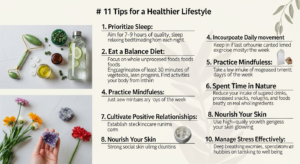
Why Self-Care Isn’t Selfish: Reclaiming Your Well-being
For many working mothers, the notion of self-care is often fraught with guilt. It feels like another item on an already overflowing list, or worse, an indulgence that takes away from family or work responsibilities. However, this perspective fundamentally misunderstands the transformative power of prioritizing your own needs. True self-care is not about escaping your responsibilities; it’s about equipping yourself with the strength, clarity, and energy to meet them more effectively and joyfully. It’s an investment, not an expense.
When working moms consistently neglect their own well-being, the consequences can be profound and far-reaching. Chronic stress and burnout are not just buzzwords; they are real threats that can manifest as persistent fatigue, irritability, anxiety, difficulty concentrating, and even physical ailments. These symptoms don’t just impact you; they ripple outwards, affecting your relationships with your children, your partner, and your colleagues. A burnt-out mother has less patience, less energy for play, and less emotional reserves to navigate the inevitable challenges of family life.
Conversely, mothers who integrate regular self-care practices into their lives often experience a remarkable shift. They report feeling more present, more patient, and more resilient in the face of daily stressors. Their mental clarity improves, allowing for better decision-making at work and at home. Physically, they may experience better sleep, fewer stress-related illnesses, and more sustained energy throughout the day. This renewed vitality allows them to engage more fully with their children, foster stronger connections with their partners, and excel in their professional roles. It’s about replenishing your cup so you can pour into others without completely depleting yourself. Embracing the best self-care ideas for working moms means recognizing that your well-being is the bedrock upon which everything else is built. It’s a proactive step towards a more balanced, fulfilling, and sustainable way of living.
The Ripple Effect of Prioritizing Mom’s Well-being
- Enhanced Mental Health: Regular self-care helps reduce symptoms of anxiety and depression, fostering a more positive outlook. It provides a crucial outlet for stress and emotional processing.
- Increased Physical Energy: When you rest and rejuvenate, your body functions better. This translates to more stamina for work, family activities, and personal pursuits.
- Improved Parenting: A well-rested and emotionally balanced mom is more patient, more playful, and better equipped to handle the ups and downs of parenting with grace and understanding.
- Greater Professional Performance: Clearer thinking, reduced stress, and increased energy contribute to better focus, creativity, and productivity in your career.
- Stronger Relationships: By taking care of yourself, you model healthy boundaries and self-respect, leading to more authentic and resilient connections with your partner, children, and friends.
Ultimately, self-care is not an act of selfishness, but an act of self-preservation that benefits everyone in your orbit. It’s about creating a sustainable lifestyle where you, the central pillar of your family, can thrive rather than just survive.
Practical Self-Care Strategies for Time-Strapped Working Moms
The biggest hurdle for working mothers when it comes to self-care is often perceived lack of time. It’s easy to dismiss self-care as something that requires hours of solitude or expensive retreats. However, the truth is that effective self-care can be woven into the fabric of your daily life through small, consistent practices. The best self-care ideas for working moms are those that are adaptable, realistic, and don’t add more pressure to your already demanding schedule.
Embracing Micro-Moments of Self-Care
You don’t need a full day off to recharge. Look for “micro-moments” – small pockets of time, often just 5-15 minutes, that you can reclaim for yourself:
- Morning Ritual: Before the household stirs, wake up 15 minutes earlier to enjoy a cup of coffee or tea in silence, read a few pages of a book, or simply sit with your thoughts. This quiet start can set a calm tone for the entire day.
- Commute Sanctuary: If you commute, use this time mindfully. Instead of checking emails, listen to an uplifting podcast, an audiobook, or some calming music. Practice deep breathing exercises to prepare for your day or decompress afterwards.
- Lunch Break Reimagined: Step away from your desk. Go for a short walk outside, find a quiet spot to eat your lunch mindfully, or do a quick guided meditation. Even 15 minutes away from your workspace can make a huge difference.
- Post-Work Transition: Before diving straight into dinner and homework, take 10 minutes to transition from work mode to home mode. This could be a quick stretch, listening to a favorite song, or just sitting quietly.
- Evening Wind-Down: Create a consistent bedtime routine. This might include a warm bath, reading a non-work-related book, or gentle stretching. Disconnect from screens at least an hour before bed.
Strategic Time Management and Delegation
Self-care also involves strategic planning to free up time. This isn’t just about adding more to your plate, but about optimizing what’s already there.
- Prioritize and Say No: Learn to distinguish between urgent and important tasks. It’s okay to say no to requests that don’t align with your priorities or that would overextend you. Protecting your time is a crucial act of self-care.
- Delegate and Share the Load: You don’t have to do everything yourself. Involve your partner, older children, or even consider hiring help for tasks like cleaning, meal prep, or childcare. Sharing the mental load is vital for working moms.
- Batching Tasks: Group similar tasks together (e.g., all errands on one day, all meal prep on another) to improve efficiency and free up time.
- Utilize Technology Wisely: Use online grocery shopping, meal planning apps, or smart home devices to automate mundane tasks. But also remember to set boundaries with technology itself to avoid constant connectivity.
By implementing these practical, bite-sized self-care strategies, working moms can consistently carve out moments for themselves, transforming their approach to daily life from one of constant depletion to one of mindful replenishment. It’s about progress, not perfection, and finding what truly resonates with your unique needs and schedule.
Nurturing Your Physical Health: The Foundation of Self-Care
Essential Womens Health Tips Every Woman Should Know
Beyond general wellness, there are specific aspects of women’s health that deserve particular attention. Regular check-ups are non-negotiable. This includes annual physicals, gynecological exams, mammograms (as recommended for your age), and regular blood work to monitor key indicators. Staying informed about your body’s unique needs and changes is proactive self-care. Don’t postpone these appointments, as early detection and prevention are critical. Understanding your menstrual cycle, hormonal fluctuations, and how they impact your mood and energy levels can also empower you to tailor your self-care practices accordingly. For instance, some women might need more rest during certain phases of their cycle, while others might find exercise particularly beneficial.
Prioritizing Sleep: The Ultimate Recharge
Sleep is often the first thing to be sacrificed when life gets busy, yet it’s arguably the most critical component of physical and mental restoration. Chronic sleep deprivation leads to impaired cognitive function, weakened immunity, increased stress levels, and a higher risk of chronic diseases. Aim for 7-9 hours of quality sleep per night. To improve sleep hygiene:
- Establish a Consistent Schedule: Go to bed and wake up around the same time each day, even on weekends.
- Create a Relaxing Bedtime Routine: Disconnect from screens at least an hour before bed. Engage in calming activities like reading, a warm bath, or gentle stretching.
- Optimize Your Sleep Environment: Ensure your bedroom is dark, quiet, and cool.
Nutrition and Hydration: Fueling Your Body and Mind
What you put into your body directly impacts your energy levels, mood, and overall health. As a working mom, it can be tempting to rely on quick, processed foods, but mindful nutrition is a powerful form of self-care.
- Balanced Meals: Focus on whole, unprocessed foods – plenty of fruits, vegetables, lean proteins, and healthy fats. Meal prepping on weekends can save valuable time during the week.
- Stay Hydrated: Drink plenty of water throughout the day. Dehydration can lead to fatigue, headaches, and reduced concentration. Keep a water bottle handy.
- Mindful Eating: Try to eat without distractions. Pay attention to your body’s hunger and fullness cues. This can help prevent overeating and improve digestion.
Movement and Exercise: More Than Just Fitness
Regular physical activity is a potent stress reliever, mood booster, and energy enhancer. It doesn’t have to be a grueling gym session; any form of movement counts.
- Find What You Enjoy: Whether it’s walking, dancing, yoga, swimming, or cycling, choose an activity you genuinely like to make it sustainable.
- Integrate Movement: Take the stairs, park further away, walk during phone calls, or do a quick 10-minute stretch routine. Even short bursts of activity accumulate.
- Stress Reduction: Exercise releases endorphins, which have mood-lifting effects, and helps to process stress hormones, making it one of the most effective ways to manage the pressures of being a working mom.
By consciously prioritizing sleep, nutrition, hydration, and movement, working moms can build a strong physical foundation that supports their demanding lives. These are not luxuries but essential components of a robust self-care strategy that ensures you have the physical vitality to thrive.
Cultivating Mental & Emotional Resilience

The mental and emotional load carried by working mothers is immense. Balancing professional responsibilities with the emotional needs of a family can lead to chronic stress, anxiety, and a feeling of being constantly overwhelmed. Developing mental and emotional resilience is paramount for long-term well-being and is a core component of the best self-care ideas for working moms. It’s about building the inner strength and coping mechanisms to navigate challenges without being completely derailed.
Mindfulness and Meditation: Anchoring Yourself in the Present
In a world of constant multitasking and future planning, mindfulness offers a powerful antidote. It’s the practice of being fully present and aware of the moment, without judgment. Even a few minutes a day can have profound benefits.
- Guided Meditations: Numerous apps offer short, guided meditations specifically designed for busy individuals. Even 5-10 minutes can significantly reduce stress and improve focus.
- Mindful Moments: Integrate mindfulness into daily activities. Pay full attention while drinking your coffee, eating a meal, or walking. Notice the sensations, smells, and sounds.
- Deep Breathing Exercises: When feeling overwhelmed, take a few slow, deep breaths. Inhale deeply through your nose, hold for a few seconds, and exhale slowly through your mouth. This simple practice can quickly calm your nervous system.
Journaling: A Space for Reflection and Release
Journaling provides a private, non-judgmental space to process thoughts, feelings, and experiences. It can be a powerful tool for self-discovery and emotional regulation.
- Morning Pages: Write whatever comes to mind for 10-15 minutes each morning. Don’t censor yourself. This can help clear your mind and identify underlying concerns.
- Gratitude Journal: Regularly list things you are grateful for. This practice can shift your perspective towards positivity and appreciation.
- Emotional Check-in: Use your journal to explore specific emotions you’re feeling. Why are you feeling this way? What might help?
Seeking Support and Setting Boundaries
You don’t have to do it all alone. Leaning on your support system and establishing clear boundaries are crucial for protecting your mental and emotional energy.
- Connect with Your Tribe: Nurture relationships with friends, family, or other working moms who understand your unique challenges. Sharing experiences and receiving empathy can be incredibly validating and uplifting.
- Professional Support: Don’t hesitate to seek help from a therapist or counselor if you’re struggling with persistent stress, anxiety, or depression. Mental health professionals can provide tools and strategies tailored to your needs.
- Establish Clear Boundaries: This applies to work, family, and even social obligations. Learn to say no politely but firmly when something doesn’t serve your well-being. Define your “off-limits” times and stick to them. This might mean not checking work emails after a certain hour or designating family-only time.
Letting Go of Perfectionism
The pressure to be a “perfect” mom, employee, and partner is a significant source of stress. Recognize that perfection is an illusion and an unattainable standard. Aim for “good enough.”
- Embrace Imperfection: Your children don’t need a perfect mom; they need a happy, present, and authentic one. Your colleagues need a competent and reliable team member, not an infallible one.
- Focus on Progress, Not Perfection: Celebrate small victories and acknowledge your efforts.
- Practice Self-Compassion: Treat yourself with the same kindness and understanding you would offer a friend. Recognize that you are doing your best, and that is enough.
By actively cultivating mental and emotional resilience through these practices, working moms can build a robust inner fortress, allowing them to weather life’s storms with greater grace and emerge stronger on the other side. These aren’t just coping mechanisms; they are tools for thriving.
Strategic Planning for Sustainable Self-Care
For working moms, true self-care isn’t spontaneous; it’s intentional. It requires strategic planning and a commitment to making it a non-negotiable part of your routine. Without a deliberate approach, self-care often falls by the wayside when schedules get hectic. The best self-care ideas for working moms are those that are integrated into your lifestyle through thoughtful planning and preparation.
Scheduling Self-Care: Treat It Like an Important Appointment
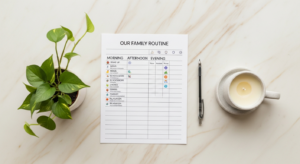
One of the most effective ways to ensure self-care happens is to literally schedule it into your calendar. Just as you wouldn’t miss a work meeting or a child’s doctor’s appointment, commit to your self-care time.
- Dedicated Time Slots: Block out specific times in your weekly schedule for self-care activities, whether it’s a 30-minute walk, an hour for a hobby, or simply quiet reflection.
- Batching Self-Care: Sometimes, it’s easier to dedicate a longer block of time on a weekend for activities like meal prep, a longer exercise session, or a relaxing bath, which then supports daily micro-moments.
- Flexibility is Key: While scheduling is important, also allow for flexibility. If something unexpected comes up, reschedule your self-care rather than canceling it entirely.
Creating a Sanctuary: Your Home Environment
Your home environment plays a significant role in your overall well-being. A chaotic or uninspiring space can contribute to stress, while a well-organized and peaceful one can foster calm and rejuvenation. This ties into the broader concept of creating a supportive environment, whether it’s your entire living space or just a dedicated corner.
In considering How To Set Up Family Home Office, remember that physical space boundaries can translate directly into mental and emotional boundaries. If you work from home, having a designated, organized workspace, even if it’s just a corner of a room, can help you mentally transition between work and family life. Similarly, creating a small “self-care station” in your home can be incredibly beneficial:
- Declutter and Organize: A tidy space often leads to a tidier mind. Regularly decluttering can reduce visual noise and stress.
- Personalized Retreat: Designate a small area in your home, even just a comfortable chair, as your personal sanctuary. Fill it with things that bring you peace: a favorite blanket, a good book, a plant, or essential oils.
- Sensory Comfort: Pay attention to lighting, scents, and sounds. Use soft lighting, candles, diffusers, or calming music to create a soothing atmosphere.
Involving Your Family: Making Self-Care a Shared Value
Self-care doesn’t have to be a solo mission. Involving your family can not only garner their support but also teach your children valuable lessons about prioritizing well-being.
- Communicate Your Needs: Explain to your partner and older children why your self-care is important for everyone. Frame it as “Mommy needs to recharge so she can be her best self for all of us.”
- Family Self-Care Activities: Sometimes self-care can be a shared experience. Go for a family walk, have a quiet reading hour together, or engage in a shared hobby that everyone enjoys.
- Teaching by Example: When your children see you prioritizing your well-being, they learn the importance of self-care for themselves. You’re modeling healthy habits and boundaries.
By approaching self-care with a strategic mindset, working moms can move beyond reactive stress management to proactive well-being. These planning strategies empower you to not just squeeze in self-care, but to truly embed it as an essential, sustainable practice in your busy life, ensuring you have the energy and mental fortitude to thrive in all your roles, not just survive.
Special Considerations for Moms on a Fertility Journey
For working moms who are also navigating the complex and often emotionally arduous journey of trying to conceive, self-care takes on an even more critical dimension. The unique pressures of fertility treatments, the emotional roller coaster of hope and disappointment, and the added stress of balancing these with work and existing family responsibilities can be overwhelming. Incorporating the best self-care ideas for working moms becomes not just beneficial, but essential for maintaining mental and physical health during this sensitive period.
Understanding the Emotional Toll of Fertility Challenges
The fertility journey often involves significant emotional strain. There can be feelings of anxiety, sadness, frustration, isolation, and even guilt. These emotions are intensified when trying to maintain a facade of normalcy at work and home. The demands of appointments, medications, and procedures add another layer of complexity to an already packed schedule. Acknowledging this emotional burden is the first step towards effective self-care.
Fertility Health Tips Women Trying Conceive and Self-Care Synergy
The connection between stress and fertility is well-documented. While stress doesn’t directly cause infertility, chronic stress can negatively impact hormonal balance and overall reproductive health. Therefore, self-care practices that reduce stress are incredibly valuable for women trying to conceive. Many Fertility Health Tips Women Trying Conceive emphasize lifestyle factors, and self-care directly supports these:
- Prioritize Rest and Sleep: Adequate sleep is crucial for hormonal regulation. Ensure you’re getting consistent, quality sleep, as discussed in the physical health section.
- Gentle Movement: While intense exercise might be discouraged during certain fertility treatments, gentle activities like walking, yoga, or swimming can help manage stress and improve circulation without overexerting the body.
- Mindful Nutrition: Focus on nutrient-dense foods that support reproductive health. Avoid excessive caffeine and highly processed foods, which can contribute to stress and inflammation.
- Stress Reduction Techniques: Mindfulness, meditation, and deep breathing are particularly vital. These practices can help manage anxiety surrounding appointments, waiting periods, and results.
Tailored Self-Care Strategies for Fertility Warriors
In addition to general self-care practices, here are specific considerations for working moms on a fertility journey:
- Build a Strong Support System: Connect with other women going through similar experiences, either online or in person. Sharing your feelings with those who understand can reduce feelings of isolation. Consider a therapist specializing in fertility.
- Set Firm Boundaries at Work: Be clear about your availability for appointments. While you don’t have to disclose personal details, you can request flexibility or block out time in your calendar for medical needs. Delegate tasks when possible to reduce your workload.
- Schedule “Unplugged” Time: It’s easy to get lost in online forums and research when trying to conceive. Schedule dedicated time to unplug from fertility-related content to give your mind a break.
- Engage in Joyful Distractions: Actively pursue hobbies and activities that bring you joy and help you forget about the fertility journey, even if just for a short while. This could be reading, crafting, spending time in nature, or watching a favorite show.
- Practice Self-Compassion: The fertility journey is often unpredictable and emotionally taxing. Be kind to yourself, acknowledge your feelings, and remind yourself that you are doing your best. It’s okay to have bad days.
By consciously integrating these tailored self-care practices, working moms navigating fertility challenges can create a buffer against stress, preserve their emotional well-being, and provide their bodies with the best possible environment for conception. It’s an affirmation that even in the midst of uncertainty, you can actively nurture yourself.
Conclusion: Your Well-being, Your Priority
The journey of a working mother is undoubtedly one of immense love, dedication, and ceaseless effort. However, to sustain this journey with joy and vitality, prioritizing your own well-being is not just beneficial—it is absolutely indispensable. The best self-care ideas for working moms are not about adding more tasks to an already overflowing plate, but about strategically integrating moments of replenishment, rest, and joy into the rhythm of your life. It’s about understanding that you cannot pour from an empty cup, and that your capacity to nurture, to lead, and to love is directly tied to the care you give yourself.
At Veralyn Media, we champion the belief that every woman deserves to thrive. We’ve explored practical strategies from micro-moments of mindfulness to robust physical health practices, cultivating mental resilience, and the critical importance of strategic planning. We’ve also touched upon the unique needs of those on a fertility journey, underscoring how deeply self-care intertwines with all aspects of a woman’s health and life. Remember, self-care is a continuous practice, not a destination. There will be days when it feels effortless and days when it feels like a monumental challenge. The key is consistency, self-compassion, and a commitment to showing up for yourself, just as you do for everyone else.
As you move forward into 2026 and beyond, make your well-being a non-negotiable priority. By embracing these self-care ideas, you’re not just improving your own life; you’re modeling resilience, self-respect, and balance for your children, strengthening your relationships, and enhancing your professional impact. You are capable, you are resilient, and you are worthy of care. Start today, with one small step, and watch how it transforms your world.
Frequently Asked Questions
Recommended Resources
You might also enjoy How To Build A Jewelry Collection On A Budget from Fashion Goggled.
Check out What Is Skin Cycling And How To Do It on The Contextual Life for a deeper dive.