Understanding Inflammation: More Than Just a Buzzword for Women’s Health
Inflammation is your body’s natural defense mechanism, a vital process that signals your immune system to heal injuries and fight off invaders like bacteria and viruses. This is acute inflammation, characterized by redness, swelling, heat, and pain – think of a twisted ankle or a common cold. While uncomfortable, it’s a sign your body is working as it should, resolving the issue and then returning to a state of equilibrium.
However, when this protective response lingers and becomes chronic, it transitions from friend to foe. Chronic inflammation is a low-grade, persistent state of immune activation that doesn’t have a clear endpoint. It’s often silent, smoldering beneath the surface, gradually eroding tissues and organs without immediate, obvious symptoms. For women, the implications of chronic inflammation are particularly profound, influencing a spectrum of health concerns that are often unique to our physiology.
Consider the delicate dance of hormones that governs so much of women’s health. Chronic inflammation can disrupt this balance, impacting conditions like Polycystic Ovary Syndrome (PCOS), endometriosis, and even the severity of menopausal symptoms. It can exacerbate menstrual pain, contribute to fertility challenges, and complicate the journey through perimenopause and menopause. Beyond reproductive health, inflammation is a key player in the development and progression of autoimmune diseases, which disproportionately affect women. Conditions like Hashimoto’s thyroiditis, rheumatoid arthritis, lupus, and multiple sclerosis are all linked to an overactive immune system fueled by chronic inflammatory processes.
Our gut health, often referred to as our “second brain,” is also intimately connected to inflammation. A compromised gut barrier, known as “leaky gut,” can allow undigested food particles and toxins to enter the bloodstream, triggering systemic inflammation. This can manifest as digestive issues, skin problems, and even mood disturbances. Indeed, emerging research highlights the gut-brain axis and the role of inflammation in mental health conditions such as anxiety and depression, issues many women navigate.
Furthermore, chronic inflammation is now recognized as a root cause for many chronic diseases, including heart disease, type 2 diabetes, certain cancers, and neurodegenerative conditions. It can also contribute to persistent fatigue, brain fog, and weight gain, making it challenging to maintain a healthy lifestyle. This understanding forms a foundational pillar of “Womens Health Tips Every Woman Should Know,” emphasizing that addressing inflammation isn’t just about managing symptoms, but about building a robust foundation for lifelong well-being.
Identifying the sources of chronic inflammation in your life – whether dietary, environmental, or stress-related – is the first crucial step toward reclaiming your health. This guide will provide the tools to do just that, focusing on the powerful role of nutrition in cooling the inflammatory fire within.
The Cornerstone of Wellness: Foods to Embrace on Your Anti-Inflammatory Journey
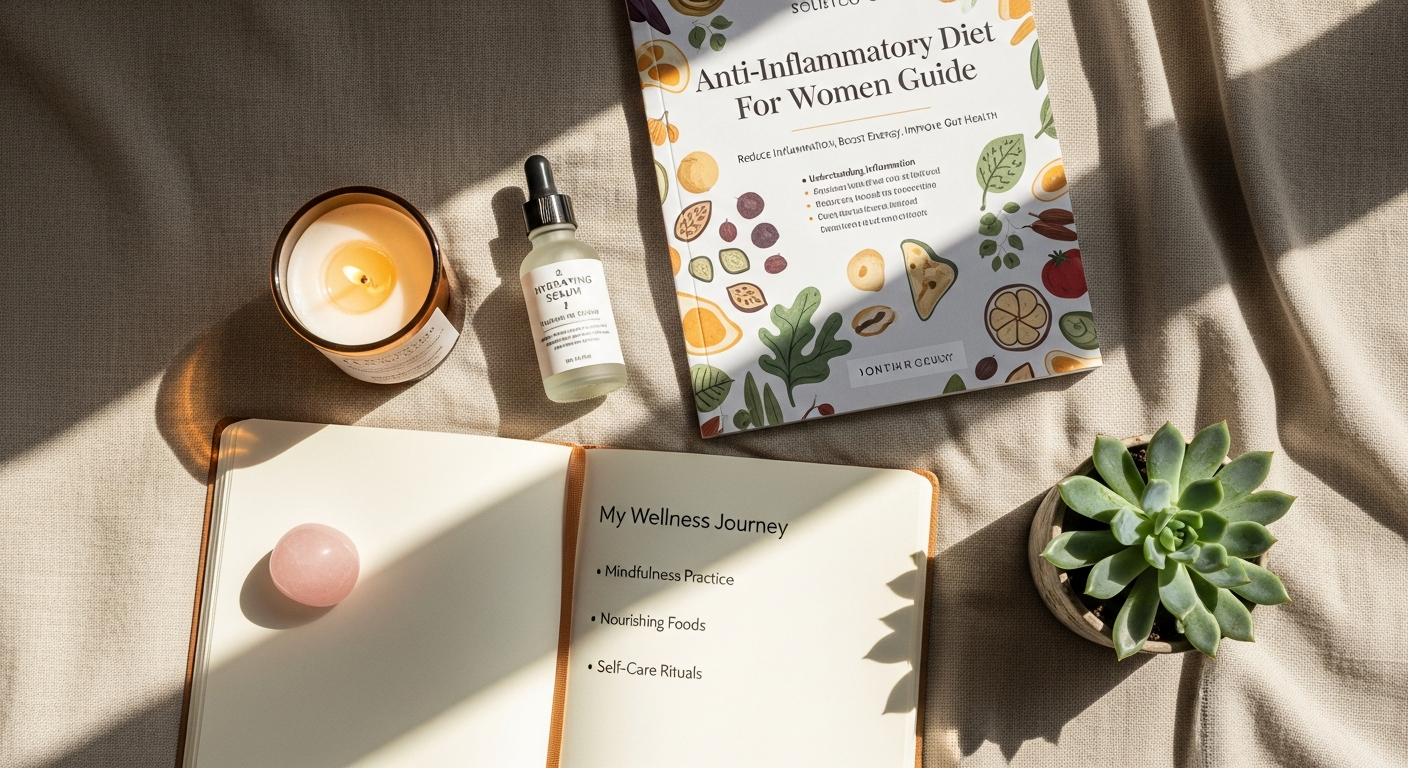
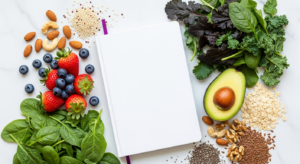
Embracing an anti-inflammatory diet for women means shifting your focus towards nutrient-dense, whole foods that actively work to calm your body’s immune response. Think of your plate as a canvas, and these foods as the vibrant, healing colors that paint a picture of optimal health. Incorporating these powerhouses into your daily routine is a proactive step towards reducing systemic inflammation and fostering overall vitality.
- Omega-3 Rich Foods: The Essential Fatty Acids. Omega-3s are renowned for their potent anti-inflammatory properties, helping to balance the omega-6 fatty acids often abundant in Western diets.
- Fatty Fish: Salmon, mackerel, sardines, herring, and trout are excellent sources of EPA and DHA. Aim for 2-3 servings per week.
- Plant-Based Sources: Chia seeds, flaxseeds (ground for better absorption), walnuts, and hemp seeds provide ALA, which the body can convert to EPA and DHA, albeit less efficiently. Sprinkle them on oatmeal, salads, or blend into smoothies.
- Vibrant Fruits: Nature’s Antioxidant Powerhouses. Fruits, especially berries, are packed with antioxidants and phytochemicals that combat oxidative stress and inflammation.
- Berries: Blueberries, strawberries, raspberries, and blackberries are rich in anthocyanins, potent anti-inflammatory compounds.
- Cherries: Especially tart cherries, known for their ability to reduce muscle soreness and inflammation.
- Citrus Fruits: Oranges, grapefruits, and lemons provide Vitamin C, a powerful antioxidant.
- Other Fruits: Apples, pomegranates, and grapes also offer a bounty of beneficial compounds.
- Leafy Green and Cruciferous Vegetables: The Nutrient-Dense Champions. These vegetables are brimming with vitamins, minerals, and phytonutrients that support detoxification and reduce inflammation.
- Leafy Greens: Spinach, kale, Swiss chard, collard greens are high in vitamins K, A, C, and various antioxidants.
- Cruciferous Vegetables: Broccoli, cauliflower, Brussels sprouts, and cabbage contain sulforaphane, a compound with significant anti-inflammatory and anti-cancer properties.
- Other Vegetables: Bell peppers (especially red and yellow), tomatoes, and sweet potatoes are also excellent choices.
- Whole Grains: Fiber-Rich Fuel. Opt for unprocessed whole grains that are high in fiber, which supports gut health and helps regulate blood sugar, thereby reducing inflammation.
- Examples: Quinoa, oats (steel-cut or rolled), brown rice, farro, and barley. Ensure they are truly whole grains, not refined versions.
- Legumes: Plant-Based Protein and Fiber. Beans, lentils, and chickpeas are fantastic sources of fiber, plant-based protein, and various minerals. Their fiber content helps feed beneficial gut bacteria, promoting a healthy microbiome.
- Examples: Black beans, kidney beans, chickpeas, lentils, and cannellini beans.
- Healthy Fats: Not All Fats Are Equal. Focus on monounsaturated and polyunsaturated fats that have anti-inflammatory effects.
- Avocado: Rich in monounsaturated fats, potassium, and fiber.
- Extra Virgin Olive Oil: A cornerstone of the Mediterranean diet, containing oleocanthal, which has similar anti-inflammatory effects to ibuprofen.
- Nuts and Seeds: Almonds, walnuts, pecans, sunflower seeds, and pumpkin seeds offer healthy fats, fiber, and antioxidants.
- Potent Spices and Herbs: Flavor with a Purpose. Many common spices are powerful anti-inflammatory agents.
- Turmeric: Contains curcumin, a well-researched anti-inflammatory compound. Best absorbed with black pepper.
- Ginger: Known for its anti-nausea and anti-inflammatory properties.
- Garlic and Onions: Rich in sulfur-containing compounds that reduce inflammation and boost immunity.
- Cinnamon: Helps stabilize blood sugar, indirectly reducing inflammation.
- Rosemary, Thyme, Oregano: These herbs are packed with antioxidants.
- Green Tea: The Soothing Brew. Rich in polyphenols, particularly epigallocatechin gallate (EGCG), green tea has significant anti-inflammatory and antioxidant effects.
By prioritizing these foods, women can actively work to reduce chronic inflammation, support hormonal balance, improve gut health, and enhance overall vitality. This dietary approach is not about deprivation but about abundance and intelligent nourishment, providing your body with the tools it needs to thrive.
Foods to Limit or Avoid: Reclaiming Your Body from Inflammatory Triggers
- Processed and Refined Carbohydrates: The Sugar Rollercoaster.
- Sugary Drinks: Sodas, fruit juices (even 100% juice in large quantities), and energy drinks are loaded with added sugars, leading to rapid blood sugar spikes and subsequent inflammatory responses.
- Refined Grains: White bread, white pasta, pastries, and many breakfast cereals are stripped of their fiber and nutrients, causing blood sugar fluctuations and promoting inflammation.
- Processed Snacks: Cookies, cakes, chips, and candy bars are often a triple threat, combining refined carbs, unhealthy fats, and added sugars.
- Why they’re problematic: High sugar intake triggers the release of inflammatory messengers (cytokines) and contributes to insulin resistance, a key driver of chronic inflammation, particularly relevant for conditions like PCOS.
- Unhealthy Fats: The Silent Inflamers.
- Trans Fats: Found in fried foods, some processed baked goods, and margarine, trans fats are notorious for increasing LDL (“bad”) cholesterol and systemic inflammation. They should be avoided entirely.
- Excess Saturated Fats: While not all saturated fats are bad (e.g., those from whole foods like avocados), a high intake from processed meats, full-fat dairy, and tropical oils (like coconut and palm oil) can contribute to inflammation, especially when consumed in excess and without balance.
- Refined Vegetable Oils: Oils high in omega-6 fatty acids like corn, soybean, sunflower, and safflower oil, when consumed in large quantities and without sufficient omega-3s, can create an imbalance that promotes inflammation. Focus on extra virgin olive oil and avocado oil for cooking.
- Why they’re problematic: These fats can alter cell membranes, making them more susceptible to inflammatory signals, and contribute to metabolic dysfunction.
- Processed and Red Meats: Handle with Care.
- Processed Meats: Bacon, sausages, hot dogs, and deli meats often contain high levels of saturated fat, sodium, nitrates, and other additives that can promote inflammation.
- Excess Red Meat: While lean cuts of red meat can be part of a healthy diet in moderation, very high consumption, especially of charred or heavily processed varieties, has been linked to increased inflammatory markers.
- Why they’re problematic: These meats can contain advanced glycation end products (AGEs) and certain compounds that promote inflammation in the gut and throughout the body.
- Artificial Sweeteners and Additives: The Unnatural Invaders.
- While marketed as healthier alternatives, artificial sweeteners like aspartame, sucralose, and saccharin can disrupt gut microbiota balance, potentially leading to inflammation.
- Food additives, colorings, and preservatives found in many ultra-processed foods can also trigger inflammatory responses in sensitive individuals.
- Why they’re problematic: They can alter gut microbiome composition, which is intimately linked to the immune system and inflammation.
- Excessive Alcohol Consumption: A Burden on the Body.
- While moderate consumption of certain alcohols (like red wine) has been touted for some benefits, excessive alcohol intake directly contributes to systemic inflammation, particularly impacting the liver and gut.
- Why it’s problematic: Alcohol metabolism produces inflammatory byproducts and can disrupt gut barrier function, leading to a “leaky gut” and widespread inflammation.
- Dairy (for some individuals): A Personal Consideration.
- For many, dairy products are well-tolerated. However, for those with lactose intolerance or a dairy allergy/sensitivity, consumption can trigger inflammatory responses manifesting as digestive issues, skin problems, or even joint pain.
- Why it’s problematic: Casein and whey proteins in dairy can be inflammatory triggers for sensitive individuals.
By consciously minimizing your exposure to these inflammatory triggers, you provide your body with the opportunity to reduce its inflammatory burden, allowing it to focus its energy on healing and maintaining optimal function. This isn’t about rigid restriction but about informed moderation and making choices that consistently support your long-term health goals as a woman.
Crafting Your Anti-Inflammatory Plate: Practical Strategies for Women
Transitioning to an anti-inflammatory diet doesn’t have to be daunting. It’s about making conscious, consistent choices that build momentum towards better health. For women, who often juggle multiple responsibilities, practicality is key. This section provides actionable strategies to seamlessly integrate anti-inflammatory eating into your busy life, ensuring it supports your unique needs, whether you’re navigating daily stresses, postpartum recovery, or simply aiming for peak wellness in 2026.
Meal Planning with Intention
- Breakfast: Start Strong. Ditch sugary cereals and opt for options like:
- Oatmeal topped with berries, nuts, and a sprinkle of cinnamon.
- Smoothies packed with spinach, anti-inflammatory fruits (like pineapple or berries), chia seeds, and plant-based protein.
- Scrambled eggs with a generous portion of sautéed spinach and bell peppers, cooked in olive oil.
- Lunch: Pack a Punch. Focus on nutrient-dense meals that provide sustained energy.
- Large salads brimming with leafy greens, colorful vegetables, grilled salmon or chickpeas, avocado, and a homemade olive oil-based dressing.
- Leftovers from a healthy dinner, like a turmeric-spiced lentil soup or a chicken and vegetable stir-fry.
- Whole-grain wraps filled with hummus, plenty of veggies, and lean protein.
- Dinner: Family-Friendly and Flavorful. This is where you can get creative and ensure the whole family benefits.
- Baked salmon or cod with roasted broccoli and sweet potatoes.
- Chicken or tofu stir-fry with a rainbow of vegetables and brown rice.
- Lentil or bean-based stews rich in spices like turmeric and ginger.
- Incorporate these principles into family meals; for instance, creating a colorful and inviting plate can subtly influence even the pickiest eaters. Thinking about “Kid Friendly Home Decor Ideas” might extend to making your kitchen a welcoming, functional space for healthy cooking, where colorful produce is visible, and healthy snacks are easily accessible, fostering a positive relationship with food for everyone.
- Snacks: Smart and Satisfying.
- A handful of almonds or walnuts.
- Apple slices with almond butter.
- Hummus with carrot sticks or cucumber slices.
- Greek yogurt (if tolerated) with berries.
Smart Shopping and Kitchen Prep
- Build Your Shopping List Around Whole Foods: Prioritize the perimeter of the grocery store where fresh produce, lean proteins, and healthy fats are typically found.
- Batch Cooking: Dedicate a few hours on a weekend to chop vegetables, cook a large batch of whole grains (quinoa, brown rice), and prepare lean proteins. This saves valuable time during busy weekdays.
- Stock Your Pantry: Keep staples like canned beans, lentils, whole grains, olive oil, vinegars, and a wide array of herbs and spices on hand for quick meal assembly.
- Read Labels: Be vigilant about hidden sugars, unhealthy fats, and artificial ingredients in packaged goods.
Hydration and Cooking Methods
- Drink Plenty of Water: Staying well-hydrated is fundamental for all bodily functions, including detoxification and reducing inflammation. Aim for at least 8 glasses of filtered water daily.
- Choose Gentle Cooking Methods: Opt for baking, steaming, grilling (avoid charring), sautéing with healthy oils, and slow cooking. High-heat cooking can create inflammatory compounds (AGEs).
Mindful Eating and Lifestyle Integration
- Eat Slowly and Mindfully: Pay attention to your body’s hunger and fullness cues. Mindful eating aids digestion and can reduce stress, which in turn helps manage inflammation.
- Consider Postpartum Recovery: For new mothers, an anti-inflammatory diet is a cornerstone of a robust “Postpartum Recovery Guide New Moms.” Nutrient-dense foods provide the energy needed for healing, breastfeeding, and coping with sleep deprivation. Omega-3s, for instance, are vital for brain health and mood stability, helping to mitigate postpartum depression risks. Iron-rich leafy greens and lean proteins support blood replenishment and tissue repair.
- Embrace Variety: Don’t get stuck in a rut. Explore new anti-inflammatory recipes and ingredients to keep your diet exciting and ensure a wide range of nutrients.
By implementing these practical strategies, women can confidently navigate their culinary choices, ensuring their anti-inflammatory diet is not just effective but also enjoyable and sustainable. This proactive approach to nutrition is a powerful investment in your health, supporting you through every stage of life.
Beyond the Plate: Lifestyle Factors Supporting an Anti-Inflammatory Life
While diet forms the bedrock of an anti-inflammatory lifestyle, true well-being for women extends far beyond what’s on the plate. Our daily habits, emotional responses, and environmental exposures play equally significant roles in either fueling or dousing the flames of chronic inflammation. Integrating these lifestyle factors is crucial for a holistic approach to health, offering powerful synergies that amplify the benefits of your dietary choices. This comprehensive perspective is integral to any meaningful “Womens Health Tips Every Woman Should Know” guide.
Mastering Stress Management
- The Stress-Inflammation Connection: Chronic stress triggers the release of cortisol and other stress hormones, which, over time, can lead to systemic inflammation. For women, who often bear significant emotional and mental loads, managing stress is paramount.
- Mindfulness and Meditation: Regular practice can significantly reduce stress levels, lower inflammatory markers, and improve overall mental clarity. Even 10-15 minutes a day can make a difference.
- Yoga and Deep Breathing: These practices calm the nervous system, reduce cortisol, and promote relaxation, directly impacting inflammatory pathways.
- Nature Therapy: Spending time outdoors, whether a gentle walk in a park or gardening, has been shown to lower stress hormones and improve mood.
Prioritizing Quality Sleep
- Sleep’s Restorative Power: Sleep is when your body repairs and regenerates. Insufficient or poor-quality sleep disrupts circadian rhythms and increases inflammatory cytokines. Women, particularly during hormonal shifts like perimenopause or postpartum, often struggle with sleep, making this a critical area to address.
- Establish a Routine: Go to bed and wake up at roughly the same time each day, even on weekends.
- Optimize Your Sleep Environment: Ensure your bedroom is dark, quiet, and cool.
- Limit Screen Time: Avoid blue light from electronic devices at least an hour before bed.
Engaging in Regular, Mindful Movement
- Exercise as an Anti-Inflammatory Agent: Regular physical activity, especially moderate intensity, has a profound anti-inflammatory effect. It helps reduce visceral fat (a source of inflammatory compounds), improves insulin sensitivity, and boosts immune function.
- Variety is Key: Incorporate a mix of activities:
- Aerobic Exercise: Brisk walking, swimming, cycling, dancing.
- Strength Training: Builds muscle mass, which helps regulate metabolism and reduce inflammation.
- Flexibility and Balance: Yoga, Pilates, stretching.
- Listen to Your Body: Avoid overtraining, which can paradoxically increase inflammation. Tailor your exercise routine to your current fitness level and any specific health considerations. For example, during “Postpartum Recovery Guide New Moms,” gentle walks and pelvic floor exercises are often recommended before progressing to more intense workouts.
Nurturing Gut Health
- The Gut-Immune Connection: A healthy gut microbiome is essential for a robust immune system and low inflammation. An imbalance (dysbiosis) can lead to a “leaky gut,” triggering systemic inflammation.
- Probiotics: Fermented foods like kimchi, sauerkraut, kefir, and unsweetened yogurt introduce beneficial bacteria to your gut.
- Prebiotics: Foods rich in fiber, such as garlic, onions, asparagus, bananas, and oats, feed these good bacteria.
- Avoid Gut Irritants: Minimize processed foods, excessive sugar, and artificial sweeteners, which can disrupt the delicate balance of your gut flora.
Minimizing Environmental Toxins
- Reducing Exposure: Our modern environment is full of chemicals from cleaning products, personal care items, plastics, and pesticides. Many of these can act as endocrine disruptors and inflammatory triggers.
- Choose Wisely: Opt for natural cleaning products, use glass or stainless steel food containers, choose organic produce when possible, and select personal care products with fewer synthetic chemicals. This mindful approach to home products can even align with creating a healthier living space, much like thoughtful “Kid Friendly Home Decor Ideas” prioritize safety and well-being.
- Air and Water Quality: Consider air purifiers for your home and ensure you’re drinking filtered water.
By thoughtfully integrating these lifestyle elements with an anti-inflammatory diet, women can create a powerful, synergistic approach to health. It’s about building resilience, reducing the chronic burden on the body, and fostering an environment where vitality can truly flourish, allowing you to not just manage symptoms but thrive in all aspects of your life in 2026 and beyond.
Personalizing Your Anti-Inflammatory Diet: A Woman’s Unique Journey
While the principles of an anti-inflammatory diet are universally beneficial, its application in a woman’s life is inherently personal and nuanced. Our bodies are complex, ever-changing systems, influenced by hormonal fluctuations, life stages, genetic predispositions, and individual sensitivities. What works optimally for one woman may require adjustment for another. This guide serves as a robust framework, but true success lies in understanding and responding to your unique physiological landscape, making this a truly empowering “anti-inflammatory diet for women guide.”
Listening to Your Body: The Ultimate Biofeedback System
- Observe and Document: Pay close attention to how different foods make you feel. Do you experience digestive upset, skin breakouts, fatigue, or mood swings after consuming certain items? Keeping a food and symptom journal can be incredibly insightful.
- Identify Sensitivities: While not full-blown allergies, some foods can trigger subtle inflammatory responses in sensitive individuals. Common culprits include gluten, dairy, corn, soy, and eggs. An elimination diet, conducted under professional guidance, can help pinpoint these personal triggers.
- Energy Levels and Mood: Notice how your energy levels, mental clarity, and emotional state shift with dietary changes. A truly anti-inflammatory diet should leave you feeling energized, clear-headed, and emotionally balanced.
Navigating Hormonal Stages and Specific Conditions
- Reproductive Years: For women managing conditions like PCOS or endometriosis, an anti-inflammatory diet is not just beneficial but often critical. It can help regulate blood sugar, balance hormones, reduce pain, and improve fertility outcomes. Focusing on phytoestrogen-rich foods (like flaxseeds and legumes) and cruciferous vegetables can support estrogen metabolism.
- Pregnancy and Breastfeeding: While the core principles remain, nutritional needs increase significantly during these times. It’s vital to ensure adequate intake of omega-3s for fetal brain development and postpartum mood, iron, and calcium. Always consult with your healthcare provider or a registered dietitian before making significant dietary changes during pregnancy or lactation to ensure both your and your baby’s needs are met. This aligns perfectly with a responsible “Postpartum Recovery Guide New Moms.”
- Perimenopause and Menopause: As estrogen levels fluctuate and decline, women often experience increased inflammation, weight gain, hot flashes, and joint pain. An anti-inflammatory diet can help mitigate these symptoms, support bone health, and reduce the risk of chronic diseases associated with this life stage.
- Autoimmune Conditions: For women with autoimmune diseases, a highly personalized anti-inflammatory approach is often necessary. This might involve stricter elimination protocols and close collaboration with a healthcare team to manage symptoms and reduce flare-ups.
The Role of Professional Guidance
- Consult Your Healthcare Provider: Before embarking on any significant dietary changes, especially if you have pre-existing health conditions, are pregnant, breastfeeding, or taking medications, consult with your doctor.
- Registered Dietitian or Nutritionist: For personalized advice, meal planning, and to identify potential nutrient deficiencies or food sensitivities, working with a qualified nutrition professional is highly recommended. They can help you tailor the diet to your specific needs, goals, and lifestyle, ensuring it’s both effective and sustainable.
Sustainability and Long-Term Commitment
- It’s a Lifestyle, Not a Diet: View this as a sustainable way of eating that you can maintain long-term, rather than a temporary fix. Focus on adding nourishing foods rather than just restricting.
- Progress Over Perfection: There will be days when you deviate. Don’t let perfection be the enemy of good. Simply return to your anti-inflammatory principles with your next meal.
- Educate Yourself Continuously: Stay informed about nutritional science and women’s health. Veralyn Media is committed to providing up-to-date information to support your journey in 2026 and beyond.
Empowering yourself with this knowledge and committing to a personalized anti-inflammatory approach is one of the most proactive steps a woman can take for her health. It’s a journey of self-discovery, resilience, and profound well-being, leading to a life with less pain, more energy, and a greater sense of control over your health destiny.
Frequently Asked Questions
Recommended Resources
Learn more about this topic in Best Vitamins And Supplements For Women Over 30 at The Contextual Life.
Explore How To Host A Brunch At Home for additional insights.