Reclaim Your Calm: The Veralyn Guide to Decluttering Your Home with Kids
Understanding the “Why”: The Profound Impact of Clutter on Family Well-being
Before we dive into the “how,” let’s take a moment to understand the “why.” Decluttering isn’t just about creating a visually pleasing space; it’s a powerful act of self-care and family wellness. The cumulative effect of living in a cluttered environment extends far beyond visual irritation, impacting our mental, emotional, and even physical health.
The Cognitive Load of Visual Clutter
Research, including studies from institutions like Princeton University’s Neuroscience Institute, suggests that visual clutter can compete for our attention, leading to decreased focus, increased stress, and a feeling of being overwhelmed. Our brains are constantly processing stimuli, and a chaotic environment means there’s more for our minds to process, even subconsciously. For parents, who are already juggling a myriad of responsibilities, this added cognitive load can exacerbate feelings of exhaustion and reduce mental clarity. Imagine trying to concentrate on a task while your brain is also trying to make sense of the pile of laundry, the scattered toys, and the overflowing bookshelf in your peripheral vision. It’s like having too many tabs open in your browser – eventually, everything slows down.
Emotional and Mental Well-being
- Increased Stress and Anxiety: A constant state of disorder can trigger a stress response. The feeling of not being in control of your environment can translate into a feeling of not being in control of your life. This chronic stress can have detrimental effects on our overall health, contributing to sleep disturbances, irritability, and even physical symptoms.
- Reduced Productivity: When items don’t have a designated home, finding what you need becomes a treasure hunt. This wasted time adds to daily frustration and can make even simple tasks feel monumental. Think of the precious minutes lost searching for matching socks or a specific permission slip.
- Impact on Children: While children are often the source of clutter, they too are affected by it. A disorganized environment can make it harder for them to focus during playtime or homework, potentially contributing to frustration and difficulty with independent play. A clear, designated space for their belongings can help foster a sense of responsibility and order from a young age.

- Hindrance to Relaxation: It’s hard to truly relax and unwind when your surroundings are screaming for attention. A decluttered space, by contrast, creates an atmosphere of peace and calm, making it easier to de-stress and connect with loved ones without distraction.
Recognizing these impacts is the first step toward motivating change. By committing to decluttering, you’re not just tidying up; you’re actively investing in your family’s mental health, reducing daily friction, and creating a more supportive and harmonious home environment.
Shifting Your Mindset: Embracing a Sustainable Approach
Decluttering isn’t a one-time event; it’s a journey, especially when living with children. Adopting a sustainable mindset is crucial for long-term success and avoiding burnout. It’s about progress, not perfection, and cultivating habits that support a less cluttered lifestyle.
Realistic Expectations and Self-Compassion
The Power of Small, Consistent Steps
The thought of decluttering an entire home with children can be paralyzing. Don’t try to do it all at once. Instead, break it down into micro-tasks. This “chunking” method is incredibly effective and less daunting.
- The 10-Minute Tidy: Set a timer for 10 minutes each day and focus on one small area. It could be a drawer, a shelf, or a section of the floor. The progress, no matter how small, builds momentum and prevents overwhelm.
- One Room at a Time: Instead of tackling the whole house, dedicate a week or a few days to one room. Finish that space before moving on. This allows for a sense of accomplishment and keeps the project manageable.
- The “One In, One Out” Rule: This is a golden rule for preventing new clutter. Whenever a new item comes into the house (a new toy, a piece of clothing, a book), an old, similar item must leave. This simple rule prevents accumulation and encourages mindful consumption.
Challenging Sentimental Attachments (Yours and Theirs)
Decluttering often involves confronting sentimental items. For children, every rock, every drawing, every broken toy can hold immense emotional value. For us, it might be baby clothes or old school projects.
- For You: Consider creating a “memory box” for each child. This is a designated, finite space for truly special keepsakes. Once the box is full, new items coming in mean old items must be thoughtfully reviewed and perhaps photographed before being let go.
- For Them: Involve them in the process (more on this later!), but also teach them the concept of “letting go” to make space for new experiences. Explain that photographs can preserve memories without keeping every physical item. Frame a few special art pieces and photograph the rest.
By shifting your mindset from perfection to progress, from overwhelming tasks to manageable steps, you lay the foundation for a sustainable, less cluttered home that supports the well-being of your entire family.
Strategies for Tackling Toy Overload (and Beyond!)
The Toy Tsunami: Targeted Approaches
- The Rotation System: This is a game-changer. Instead of having all toys available all the time, divide them into categories (e.g., blocks, dolls, cars, puzzles). Store about 70-80% of the toys out of sight in bins, closets, or even under beds. Bring out a smaller selection (20-30%) for a week or two. When you rotate, the “old” toys feel new and exciting again. This reduces visual clutter, encourages deeper play with fewer items, and makes cleanup much easier.
- Categorize and Contain: Invest in clear bins, baskets, or drawers. Label everything (pictures for younger children, words for older ones). When everything has a designated home, it’s easier for kids to put things away and for you to find them. Think “like with like” – all LEGOs together, all art supplies together, all dress-up clothes together.
- The “Keep, Donate, Trash” Method: Involve your child (if age-appropriate) in this process. Go through one category of toys at a time. Ask questions: “Do you still play with this?” “Does this make you happy?” “Is it broken?” Be firm but gentle. For broken items, explain they can’t be played with safely. For outgrown items, talk about giving them to children who might love them now.
- Address Duplicates: Do you have three identical teddy bears or five similar toy cars? Choose the best one and let go of the rest. Children often don’t need multiples of the same item.
Beyond Toys: Clothes, Books, and Art Supplies
The principles of categorization, containment, and regular purging extend to other areas of the home:
- Children’s Clothing: Implement a seasonal check-in. As seasons change, go through clothes. What’s too small? What’s worn out? What haven’t they worn in months? Donate, pass down, or discard. Store off-season clothes in labeled bins. Use the “one in, one out” rule for new purchases.
- Books: Libraries are your friend! Encourage borrowing rather than buying everything. For books you own, keep a curated collection. Are there baby books your 8-year-old no longer looks at? Can they be passed on? Designate a specific bookshelf or basket for current reads.
- Art Supplies: This can quickly become chaotic. Use clear containers or craft caddies for crayons, markers, glue sticks, and construction paper. Only keep what’s functional – dried-up markers, tiny crayon nubs, and scraps of paper that are too small to use can go. Consider a dedicated “art station” or drawer to keep everything consolidated.
- School Papers & Artwork: This is a big one! Implement a system from day one. Have a designated spot for incoming papers. At the end of each week or month, sort through them. Keep truly special pieces (display a few, photograph the rest), important school notices, and discard the rest. A “memory binder” for each child can be a good solution for keeping select papers without them overwhelming your home.
By approaching each category with a clear strategy and consistent effort, you’ll see significant progress in reducing the overwhelming presence of children’s belongings and creating a more harmonious environment for everyone.
Involving Your Children: Building Habits Together
Decluttering isn’t just a task for adults; it’s an incredible opportunity to teach children valuable life skills, foster responsibility, and empower them to take ownership of their space. Involving them in an age-appropriate way makes the process more sustainable and less of a solo burden.

Age-Appropriate Involvement
- Toddlers (1-3 years): Focus on simple “put away” tasks. Make it a game! Sing a cleanup song, use clear, labeled bins, and praise their efforts enthusiastically. “Let’s put the blocks in the block bin!” “Yay, you put your teddy away!” The goal here is exposure and positive association.
- Preschoolers (3-5 years): They can help sort and make simple choices. “Do you want to keep this train or give it to another child who might love it?” Offer limited choices to avoid overwhelm (e.g., “Keep or donate?”). Continue with cleanup songs and timed tidying. Explain the “why” in simple terms: “When we put our toys away, we have more space to play!”
- School-Aged Children (6-12 years): This is when they can truly become partners. Give them ownership of their own rooms or specific areas. Teach them the “keep, donate, trash” process. Explain the “one in, one out” rule. Encourage them to decide what they truly value and what they’d like to pass on. Discuss how a tidy space helps them find things and feel calmer.
- Teenagers (13+ years): While their rooms might be their domain, you can still set expectations for general tidiness and cleanliness. Encourage them to declutter regularly, especially as they outgrow items. Offer to help them organize or suggest systems, but allow them autonomy.
Making it a Positive Experience
- Lead by Example: Children are keen observers. If they see you regularly decluttering your own belongings and maintaining a tidy space, they are more likely to adopt similar habits.
- Gamify It: Turn decluttering into a race against the clock, a sorting challenge, or a “find the match” game. Make it lighthearted and fun.
- Celebrate Efforts, Not Perfection: Praise their participation and effort, even if the outcome isn’t flawless. “Thank you for helping put the books away, that really helps!” Positive reinforcement goes a long way.
- Explain the Benefits: Talk about how a decluttered space makes it easier to find things, gives them more room to play, and makes the house feel calm and happy. Connect it to their experience.
- No Punishment or Shaming: Decluttering should not be a source of shame or punishment. If a child is resistant, try again later or offer more support. Forcing the issue can create negative associations.
By involving your children from an early age and making it a shared, positive experience, you’re not just decluttering your home; you’re teaching invaluable life lessons about organization, responsibility, and mindful consumption that will serve them well into adulthood.
Creating Systems That Stick: Maintaining Order in a Busy Home
The initial decluttering burst is exhilarating, but the real challenge lies in maintaining that newfound order amidst the daily chaos of family life. This requires establishing consistent systems and habits that become second nature for everyone.
Designated Homes for Everything
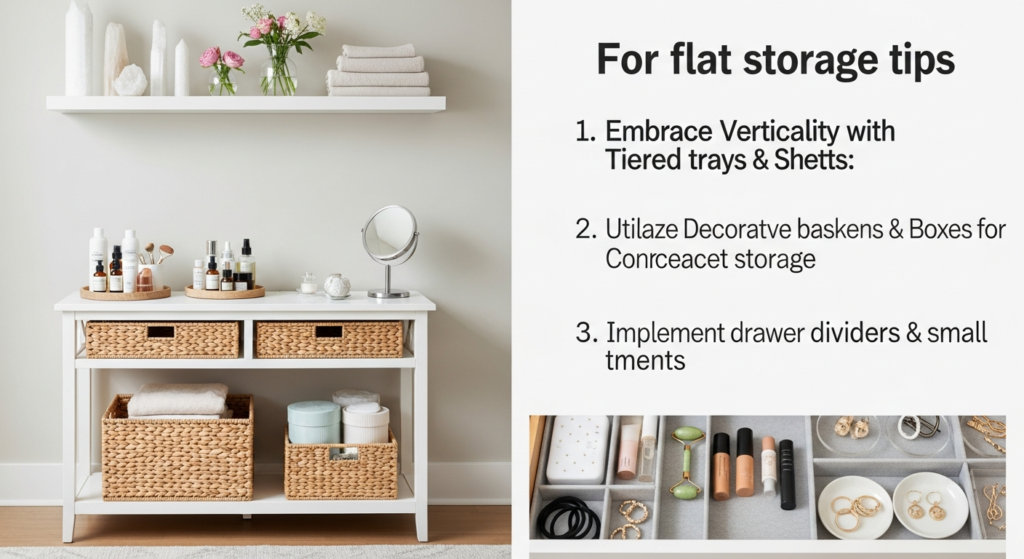
This is the cornerstone of a tidy home. Every single item in your house, from car keys to LEGO bricks, needs a specific, easy-to-access home. If an item doesn’t have a home, it’s more likely to end up on a countertop, table, or floor.
- Visual Cues: Use clear containers, open bins, or baskets, especially for children’s items. If they can see where things go, it’s easier for them to put them away.
- Proximity Principle: Store items where they are used. Art supplies near the art table, bath toys in the bathroom, shoes near the door.

- Label, Label, Label: For younger children, use picture labels. For older children and adults, clear word labels help ensure everyone knows where things belong.
The Power of Routine: Daily and Weekly Tidies
Consistency is key. Integrate short, regular tidy-up sessions into your family’s daily and weekly routines.
- The 10-Minute Evening Tidy: Before bed, or right after dinner, spend 10-15 minutes as a family putting things back in their homes. This prevents clutter from accumulating overnight and allows you to wake up to a calmer space.
- Morning Reset: Make beds, put away pajamas, and clear any breakfast dishes. A quick reset sets a positive tone for the day.
- Weekend Reset: Dedicate an hour on a weekend day (perhaps Saturday morning) for a slightly deeper reset. This might involve vacuuming, wiping down surfaces, and ensuring all “misplaced” items find their way back home. Involve everyone!
Addressing Common Clutter Hotspots
Every home has its unique clutter magnets. Identify yours and create specific strategies:
- The Entryway/Mudroom: This is often a dumping ground for shoes, coats, bags, and mail. Install hooks for coats and backpacks, a shoe rack or basket for shoes, and a small tray or mail sorter for incoming papers. Encourage everyone to use these systems immediately upon entering.
- Kitchen Counters: These can quickly become overwhelmed. Keep only essential items on the counter. Create “zones” for specific items (e.g., a charging station for devices, a small basket for keys and wallets). Wipe down counters daily.
- The “Chairdrobe”: That pile of clothes on a chair can be easily managed by having a designated laundry hamper (or two, for lights/darks) and encouraging immediate hanging or folding of worn-once items.
- Paper Piles: Create an “action tray” for incoming mail and papers. Process it daily: recycle junk mail immediately, file important documents, and act on anything requiring attention.
Maintaining a decluttered home isn’t about constant, grueling effort. It’s about establishing smart systems, fostering consistent habits, and empowering every family member to contribute to a peaceful, functional living space. With practice, these systems will become second nature, allowing you to spend less time managing stuff and more time enjoying your family.
Beyond the Physical: Decluttering Your Family’s Schedule and Digital Life
True well-being extends beyond the physical environment of our homes. In our increasingly busy and digitally-saturated world, decluttering your family’s schedule and digital life is just as vital for creating a sense of calm and focus. This holistic approach supports a less stressed, more present family.
Decluttering Your Family’s Schedule
Just as too many toys can overwhelm a room, too many commitments can overwhelm a family’s mental and emotional space.
- Audit Your Commitments: Sit down as a family (if age-appropriate) and list all weekly activities: school, extracurriculars, social events, appointments.
- Prioritize and Prune: Which activities truly bring joy, growth, or necessity? Which ones are simply “filling time” or causing stress? It’s okay to say no to good opportunities if they don’t serve your family’s overall well-being. Consider the “rule of three” for extracurriculars – perhaps one academic, one physical, and one creative activity per child, or fewer if the family feels stretched.
- Schedule White Space: Intentionally block out unstructured time in your week for free play, family meals, quiet reading, or simply being together without an agenda. This “white space” is crucial for creativity, relaxation, and connection.
- Batch Similar Tasks: Group errands together, prepare meals in advance, or schedule appointments on the same day to minimize travel time and mental switching costs.
A decluttered schedule reduces rushing, allows for more spontaneous moments, and fosters a deeper sense of connection within the family.
Decluttering Your Digital Life
Our digital world can be just as cluttered as our physical one, silently contributing to stress and distraction.
- Screen Time Boundaries: Establish clear, consistent rules for screen time for both children and adults. Designate “tech-free zones” (e.g., bedrooms, dinner table) and “tech-free times” (e.g., an hour before bed). Use apps or device settings to help enforce these limits.
- Digital Detoxes: Encourage regular digital breaks, even for a few hours or a full day. Model this behavior yourself. Spend time in nature, play board games, or engage in creative activities instead.
- Unsubscribe and Unfollow: Declutter your email inbox by unsubscribing from newsletters you don’t read. Unfollow social media accounts that don’t uplift or inform you. Your digital feed should be a source of inspiration, not comparison or anxiety.
- Organize Digital Files: Just like physical papers, digital photos, documents, and downloads can become chaotic. Create a system for organizing and backing up photos, deleting unnecessary files, and managing your computer desktop.
- Mindful Notifications: Turn off non-essential notifications on your phone and computer. Each “ding” is a tiny interruption that pulls your attention away and contributes to cognitive fragmentation.
By consciously decluttering your schedule and digital environment, you create more mental space, reduce distractions, and cultivate a deeper sense of presence and peace within your home and family life. It’s about intentional living, choosing what truly serves your well-being, and letting go of the rest – both physically and digitally.
Conclusion: Cultivating Calm, One Clear Space at a Time
The journey to a decluttered home with children is not a sprint, but a marathon of consistent effort, mindful choices, and unwavering self-compassion. It’s about recognizing that our physical environment profoundly impacts our inner world, and that creating order in our homes is a powerful act of nurturing our family’s well-being. By embracing a sustainable mindset, implementing practical strategies for managing the inevitable influx of “stuff,” and involving our children in age-appropriate ways, we can transform chaotic spaces into havens of calm.
Remember, the goal isn’t an immaculate, sterile environment, but a functional, peaceful one that supports your family’s unique needs and allows for joy, connection, and growth. Each item you thoughtfully release, each system you establish, and each small tidy you complete contributes to a greater sense of peace and control. At Veralyn Media, we believe in empowering you to build a life that feels good – inside and out. So, take a deep breath, choose one small area to begin, and start reclaiming your calm, one clear space at a time. Your mind, your body, and your family will thank you for it.
“`json
{
“@context”: “https://schema.org”,
“@graph”: [
{
“@type”: “Article”,
“headline”: “Reclaim Your Calm: The Veralyn Guide to Decluttering Your Home with Kids”,
“description”: “Transform your home from chaotic to calm! Discover expert tips, evidence-based strategies, and actionable advice to declutter with kids, reduce stress, and create a peaceful family sanctuary.”,
“image”: {
“@type”: “ImageObject”,
“url”: “https://www.veralynmedia.com/images/declutter-with-kids-hero.jpg”,
“width”: 1200,
“height”: 675
},
“author”: {
“@type”: “Organization”,
“name”: “Veralyn Media”
},
“publisher”: {
“@type”: “Organization”,
“name”: “Veralyn Media”,
“logo”: {
“@type”: “ImageObject”,
“url”: “https://www.veralynmedia.com/images/veralyn-media-logo.png”,
“width”: 600,
“height”: 60
}
},
“datePublished”: “2023-10-27T08:00:00+00:00”,
“dateModified”: “2023-10-27T08:00:00+00:00”,
“mainEntityOfPage”: {
“@type”: “WebPage”,
“@id”: “https://www.veralynmedia.com/declutter-home-with-kids”
},
“articleSection”: [
“Home & Family”,
“Wellness”,
“Parenting”
],
“keywords”: “decluttering with kids, organize home with children, family decluttering, stress reduction, home organization, parenting tips, mindful living, toy storage, schedule declutter, digital detox”
},
{
“@type”: “FAQPage”,
“mainEntity”: [
{
“@type”: “Question”,
“name”: “How do I get my kids to want to declutter? They resist every time!”,
“acceptedAnswer”: {
“@type”: “Answer”,
“text”: “Resistance is common, but framing it correctly can help. Instead of \”decluttering,\” try \”making space for new adventures\” or \”finding what you love.\” Involve them in the fun parts: sorting items into \”keep\” and \”donate\” piles, and explaining that their old toys will bring joy to other children. Make it a game (e.g., \”How many items can we find for the donate bin in 10 minutes?\”). Offer limited choices (\”Do you want to keep this or that?\”) to empower them without overwhelming them. Avoid forcing it; focus on short, positive sessions.”
}
},
{
“@type”: “Question”,
“name”: “What if my child has sentimental attachment to everything? How do I deal with that?”,
“acceptedAnswer”: {
“@type”: “Answer”,
“text”: “Acknowledge their feelings and validate their attachments. Instead of dismissing their emotions, say, \”I know this teddy bear is special to you.\” Then, introduce the \”memory box\” concept. Designate a special, finite container (one per child) for truly cherished items. Explain that only the most special things can fit, and if a new special item comes in, an older one might need to be photographed and then let go. For artwork, photograph it and create a digital album, or choose a select few to display and rotate them.”
}
},
{
“@type”: “Question”,
“name”: “How often should we declutter? Is there a schedule?”,
“acceptedAnswer”: {
“@type”: “Answer”,
“text”: “Decluttering is an ongoing process, not a one-time event. For optimal results, aim for a multi-layered approach: Daily (10-15 minute reset), Weekly (deeper clean-up), Seasonally (thorough purge for clothes, toys, papers), and Annually (full review of less-used areas like garages or attics).”
}
},
{
“@type”: “Question”,
“name”: “What’s the best way to deal with the constant influx of artwork and school papers?”,
“acceptedAnswer”: {
“@type”: “Answer”,
“text”: “Implement a system immediately! Have a designated tray for all incoming papers. Review it daily/weekly, recycling junk mail immediately. Create an \”action folder\” for papers requiring attention. For artwork, display a few, photograph the rest, and save only the most cherished pieces in a dedicated \”memory binder\” or box for each child. New additions mean old ones must be removed when the binder/box is full.”
}
},