Nourish Your Family, Reclaim Your Time: The Ultimate Guide to Weekly Meal Prep for Busy Households

In the beautiful chaos of modern family life, where school schedules, work demands, extracurricular activities, and simply being present often leave us feeling stretched thin, the vision of wholesome, home-cooked meals every night can sometimes feel like a distant dream. We yearn to nourish our loved ones with nutritious food, gather around the table, and connect, but the reality of last-minute dinner scrambles, endless dishes, and the temptation of takeout often takes over. Sound familiar? At Veralyn Media, we understand these challenges intimately. We believe that caring for your family, and for yourself, should be a source of joy and empowerment, not stress. That’s why we’re diving deep into the transformative world of family meal prep – a powerful strategy that countless women are embracing to bring calm, health, and connection back to their kitchens and dinner tables. This isn’t just about cooking; it’s about intentional living, smart planning, and giving yourself the gift of time. Let’s embark on this journey together to discover how weekly meal prep can become your family’s new best friend.

Why Meal Prep is Your Family’s New Best Friend (and Yours Too!)

The concept of preparing meals in advance might seem like another task to add to your already overflowing plate, but the truth is, it’s an investment that pays dividends throughout your entire week. From enhancing nutritional intake to significantly reducing daily stress, the benefits of a well-executed meal prep strategy are profound and far-reaching.

The Health & Nutrition Advantage

One of the most compelling reasons to embrace meal prep is the profound impact it has on your family’s health. When you plan and prepare meals ahead of time, you gain control over the ingredients, portions, and nutritional balance of every dish. Nutrition experts consistently highlight that home-cooked meals tend to be lower in unhealthy fats, sodium, and added sugars compared to restaurant or convenience foods. By choosing fresh, whole ingredients, you ensure your family is getting a rich array of vitamins, minerals, and fiber essential for growth, energy, and overall well-being. Meal prepping naturally encourages mindful eating and helps prevent those last-minute, less-healthy choices born out of hunger and haste. A study published in the American Journal of Preventive Medicine indicated that individuals who frequently cook at home consume fewer calories, less sugar, and less fat than those who cook less often, underscoring the direct link between home cooking and healthier dietary patterns.

Time & Stress Savings

Imagine walking into your kitchen on a Tuesday evening, knowing that dinner is 80% ready, needing only a quick assembly or reheat. This isn’t a fantasy; it’s the reality meal prep offers. The single biggest benefit for busy parents is the gift of time. By dedicating a few hours on one day to prepare components or entire meals, you free up precious weekday evenings. This means less time scrambling after work, less mental load trying to decide “what’s for dinner,” and more quality time for family activities, homework help, or simply unwinding. Psychologists often point to decision fatigue as a significant contributor to daily stress. Meal prep eliminates countless daily food-related decisions, creating a smoother, more predictable routine that benefits everyone in the household, leading to a calmer home environment and a more relaxed you.

Budget-Friendly Benefits

Eating out or ordering takeout frequently can quickly deplete your family budget. Meal prepping is a powerful tool for financial savvy. When you plan your meals, you can create a precise grocery list, which minimizes impulse purchases and reduces food waste. Buying ingredients in bulk for batch cooking often proves more economical than purchasing individual meal components day by day. Furthermore, having healthy, delicious meals ready to go drastically reduces the temptation to opt for expensive convenience foods or restaurant meals when hunger strikes. Research from institutions like the USDA has consistently shown that families who cook at home save significantly compared to those who rely heavily on external food sources.

Fostering Family Connection

🌿 Health Tip

Beyond the practical advantages, meal prep can subtly enhance family dynamics. When dinner isn’t a mad rush, the atmosphere around the table changes. There’s more room for conversation, sharing, and presence. Children also benefit from seeing healthy eating modeled consistently and can even participate in age-appropriate prep tasks, fostering a sense of responsibility and connection to their food. This shared experience, even in the preparation phase, builds positive memories and strengthens family bonds.

Setting the Stage: Essential Planning for Meal Prep Success

Before you even think about chopping a single vegetable, successful meal prep begins with thoughtful planning. This foundational step ensures efficiency, reduces waste, and ultimately makes the entire process enjoyable and sustainable.

The Weekly Brainstorm & Menu Planning

Gather your family for a weekly “menu meeting.” This isn’t just about delegating; it’s about involving everyone in the process, especially children, which can make them more enthusiastic about eating the meals you prepare. Consider everyone’s preferences, dietary needs, and any scheduled activities that might impact dinner times. Brainstorm meal ideas, perhaps even incorporating “theme nights” (e.g., Taco Tuesday, Pasta Thursday, Pizza Friday). Look at your family’s calendar: are there late nights, early mornings, or special events that might require extra-quick meals or packed lunches? Plan accordingly. Aim for 3-5 main meals to prep for the week, allowing for leftovers or a spontaneous night out.

Inventory & Shopping List Mastery

Before heading to the grocery store, conduct a thorough inventory of your pantry, refrigerator, and freezer. What ingredients do you already have on hand? This prevents duplicate purchases and ensures nothing goes to waste. Based on your meal plan, create a detailed grocery list, organizing items by supermarket aisle (produce, dairy, meat, dry goods). This saves immense time at the store. Consider buying staples like grains, beans, and certain vegetables in larger quantities if you plan to batch cook, as this often offers better value.

Kitchen Organization & Essential Tools

A well-organized kitchen is a meal prep superpower. Before you begin, clear your countertops, ensure your knives are sharp, and have all necessary equipment within reach. While you don’t need a gourmet kitchen, a few key tools can dramatically streamline the process:

  • High-quality cutting boards: Multiple sizes are ideal.
  • Sharp knives: A chef’s knife and a paring knife are essentials.
  • A food processor: For quick chopping, slicing, and pureeing.
  • Large mixing bowls: For combining ingredients.
  • Measuring cups and spoons: For consistency.
  • Slow cooker or Instant Pot: Excellent for hands-off cooking of proteins and stews.
  • Airtight storage containers: (More on this below!)

Choose Your Prep Day (and Stick to It!)

Consistency is key. Designate a specific day and time each week for your main meal prep session. For many, Sunday afternoon or evening works best, providing a fresh start for the week. Treat this time as an important appointment. Put on some music, perhaps involve a family member, and make it an enjoyable ritual rather than a chore. Knowing you have this dedicated time helps mentally prepare you and reduces the likelihood of skipping it.

Strategies for Smart & Sustainable Meal Prep

Meal prep isn’t a one-size-fits-all endeavor. There are various strategies you can employ, often in combination, to maximize efficiency and cater to your family’s needs. The goal is to work smarter, not harder.

Batch Cooking Basics

This is the cornerstone of many meal prep strategies. Batch cooking involves preparing large quantities of foundational ingredients that can be used in multiple meals throughout the week. Examples include:

  • Grains: Cook a big pot of quinoa, brown rice, or farro. These can serve as bases for grain bowls, side dishes, or additions to soups.
  • Proteins: Roast a whole chicken, cook a large batch of ground turkey or beef, boil eggs, or bake a tray of chicken breasts. These are versatile for salads, sandwiches, pasta dishes, or tacos.
  • Legumes: Cook dried beans or lentils from scratch (more economical!) or open several cans to rinse and store.

Component Prep Power

Instead of cooking entire meals, focus on preparing individual components. This offers flexibility for “mix-and-match” meals later in the week. Think:
  • Chopping vegetables: Dice onions, mince garlic, slice bell peppers, chop broccoli florets. Store them in airtight containers.
  • Washing & chopping leafy greens: For salads and sautéing.
  • Making sauces & dressings: A homemade vinaigrette or marinara sauce can elevate many dishes.
  • Marinating proteins: Prepare chicken or fish marinades in advance so they’re ready to cook quickly on a weeknight.

Freezer-Friendly Favorites

The freezer is your best friend for long-term meal prep. When you’re cooking a meal, double the recipe and freeze half for a future busy night. Excellent freezer-friendly options include:

  • Soups and stews
  • Chili
  • Casseroles
  • Cooked ground meat
  • Meatballs
  • Breakfast burritos or muffins
  • Cookie dough or energy bites

Always label and date your frozen items to ensure freshness and easy identification.

Mix-and-Match Magic

This strategy leverages versatility. For instance, a batch of roasted chicken can transform throughout the week:

  • Day 1: Roasted chicken with a side of pre-prepped roasted vegetables.
  • Day 2: Shredded chicken for tacos or quesadillas.
  • Day 3: Sliced chicken added to a fresh salad with a homemade dressing.
  • Day 4: Diced chicken stirred into a quick pasta sauce or soup.

The same concept applies to grains, roasted vegetables, and cooked legumes, allowing for diverse meals with minimal effort.

One-Pan Wonders & Sheet Pan Dinners

These methods are fantastic for reducing cleanup and simplifying cooking. Prepare your ingredients by chopping vegetables and proteins, then simply toss them with oil and seasonings on a sheet pan or in a single pot. Pop them in the oven or cook on the stovetop for a complete meal. While not strictly “prep-ahead” in terms of cooking, the component prep (chopping, marinating) is done in advance, making the actual cooking time minimal.

Breakfast & Lunch Prep Too!

Don’t overlook these often-rushed meals. Prepping breakfasts and lunches can save significant time and ensure healthier choices throughout the day. Think overnight oats, egg muffins, pre-portioned smoothie packs for breakfast, and mason jar salads or grain bowls for lunch.

Delicious & Diverse Family Meal Prep Ideas

Now that you’re armed with strategies, let’s explore some concrete, family-friendly meal ideas that lend themselves beautifully to weekly meal prep. Remember, the key is versatility and appeal to a range of palates.
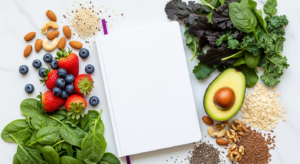
Hearty Breakfasts

  • Overnight Oats: Mix rolled oats, milk (dairy or non-dairy), chia seeds, and your choice of sweetener and flavorings (fruit, nuts, spices) in jars. Refrigerate overnight for grab-and-go breakfasts.
  • Egg Muffins/Frittatas: Whisk eggs with chopped veggies, cheese, and cooked protein (like sausage or ham). Bake in muffin tins or a larger dish, then portion and store. Reheat quickly in the microwave.
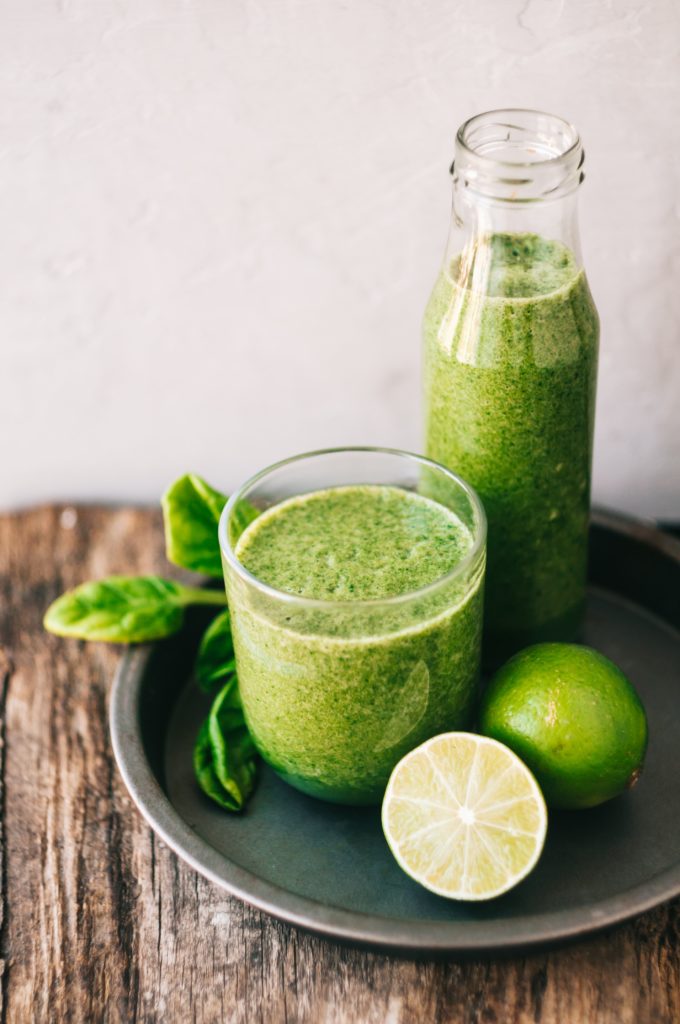
  • Pre-Portioned Smoothie Packs: In freezer bags, combine fruit, spinach, and protein powder. In the morning, just add liquid and blend.

Lunches On-the-Go

  • Mason Jar Salads: Layer dressing at the bottom, then hard vegetables (carrots, cucumbers), grains/beans, protein, and finally leafy greens on top. This keeps everything fresh until lunch.
  • Grain Bowls: Prep cooked grains (quinoa, farro), roasted vegetables, a protein (chicken, tofu, chickpeas), and a dressing. Assemble daily or layer in containers.
  • Wraps & Pinwheels: Prepare fillings (hummus, sliced turkey, cheese, veggies) and assemble fresh each morning or prep “deconstructed” for kids to build their own.

Dinner Inspirations (Components Prepped or Batch Cooked)

  • Chicken & Veggie Stir-fry: Prep by slicing chicken/tofu and chopping all vegetables (broccoli, bell peppers, snap peas, carrots). Make a large batch of stir-fry sauce. On weeknights, simply stir-fry the components. Serve with pre-cooked rice.
  • Lentil Soup or Chili: Batch cook a large pot. It tastes even better the next day! Portions can be refrigerated for 3-4 days or frozen for later.
  • Baked Salmon with Roasted Asparagus & Quinoa: Roast a large batch of asparagus and cook quinoa. On dinner night, quickly bake salmon fillets.
  • Pasta with Marinara & Meatballs: Make a big batch of homemade marinara sauce and meatballs. Store separately. Boil pasta fresh on the night you serve.
  • Taco/Burrito Bowls: Cook ground beef or turkey with taco seasoning. Prep rice, black beans, corn salsa, and chop toppings like lettuce, tomatoes, and onions. Assemble bowls as needed.
  • Shepherd’s Pie: Prepare the meat and vegetable base. Store. Make the mashed potato topping fresh or prep it ahead and assemble the pie for baking on demand.

Healthy Snacks

  • Pre-cut fruit and vegetable sticks: Store in individual portions.
  • Hard-boiled eggs: A perfect protein boost.
  • Homemade energy bites: Made with oats, nuts, seeds, and dried fruit.
  • Portioned nuts and seeds: For quick healthy fats.

Safe Storage & Reheating: Keeping Meals Fresh & Flavorful

Proper storage is just as crucial as the cooking process itself. It ensures food safety, preserves flavor, and prevents waste. Investing in good containers is a game-changer.

The Right Containers

Choose high-quality, airtight containers. Glass containers are often preferred as they are non-porous (don’t absorb food odors or stains), microwave-safe, oven-safe (without lids), and durable. BPA-free plastic containers are also a good option for portability. Consider various sizes – individual portions, larger containers for batch-cooked items, and smaller ones for sauces or dressings.

Refrigeration Rules

Most cooked and prepped foods can be safely stored in the refrigerator for 3-4 days. Always allow food to cool slightly before transferring it to containers and refrigerating. Packing hot food into an airtight container and immediately refrigerating it can create condensation and potentially raise the temperature of other items in the fridge, posing a food safety risk. However, don’t leave food out at room temperature for more than two hours. Label your containers with the date they were prepared to easily track freshness.

Freezing Best Practices

For items you plan to freeze, ensure they are completely cool before placing them in freezer-safe containers or bags. Remove as much air as possible to prevent freezer burn, which can affect taste and texture. Label clearly with the dish name and date. Most cooked foods are best consumed within 3 months when frozen, though they can often be safe for longer, quality may decline. Thaw frozen meals in the refrigerator overnight or use the defrost setting on your microwave.

Reheating Wisely

When reheating, ensure food reaches an internal temperature of 165°F (74°C) to kill any potential bacteria. Use a food thermometer if you’re unsure. For best results, reheat in a microwave, oven, or on the stovetop, adding a splash of water or broth to prevent drying out, especially for grains and proteins. Avoid repeatedly reheating and cooling the same portion of food.

Overcoming Common Meal Prep Hurdles (and Staying Motivated!)

Even with the best intentions, you might encounter challenges on your meal prep journey. It’s perfectly normal! The key is to anticipate them and develop strategies to stay on track.

The “Too Busy” Trap

We all have those weeks where an hour of prep feels impossible. The solution? Start small. Don’t aim for a full week’s worth of gourmet meals from day one. Begin by prepping just one or two components (e.g., chopping veggies and cooking grains) or focusing on one meal (e.g., only lunches or only dinners for the first few days). Even 30 minutes of intentional prep can make a difference. As you build confidence and see the benefits, you can gradually expand your efforts.

Picky Eaters

Dealing with diverse preferences, especially with children, can be a major hurdle. The “deconstructed” meal approach works wonders here. Instead of mixing everything, keep components separate. For example, serve tacos with bowls of seasoned meat, tortillas, cheese, and various toppings, allowing each family member to build their own. Involve kids in the meal planning and even the prep process; they’re often more likely to eat what they helped create. Offer choices (e.g., “Do you want carrots or cucumbers with dinner?”) to give them a sense of control.

Recipe Fatigue

Eating the same meals repeatedly can lead to boredom and a lack of motivation. To combat this, build a rotating repertoire of 10-15 family-favorite recipes. Each week, pick a few from your list and try to introduce one new recipe every couple of weeks. Explore different cuisines, experiment with new spices, or find creative ways to repurpose leftovers (e.g., leftover roasted chicken can become chicken salad, quesadillas, or a quick curry). Online resources, cookbooks, and food blogs (like Veralyn Media’s recipe section!) are excellent sources of inspiration.

Staying Flexible

Life happens! There will be weeks when your prep doesn’t go as planned, or unexpected events throw off your meal schedule. Don’t view this as a failure. Meal prep is a tool to support you, not another rigid rule to follow. Have a few “emergency” backup meals in your freezer or pantry. If you miss a prep session, simply adjust for the next few days. The goal is progress, not perfection.

Celebrating Small Wins

Acknowledge your efforts! Did you manage to chop all your veggies for the week? Did your family enjoy a pre-prepped dinner on a busy night? Celebrate these small victories. Positive reinforcement helps build habits and keeps motivation high. Remember, you’re not just cooking; you’re investing in your family’s health, your sanity, and your precious time.

Embrace the Power of Prep for a Healthier, Happier Family Life

Embarking on the journey of family meal prep is more than just a culinary endeavor; it’s a commitment to intentional living, a strategic move to reclaim your precious time, and a profound way to nourish your loved ones. As women, we often carry the mental load of managing our households, and meal prep offers a powerful tool to lighten that burden, transforming daily stress into moments of calm and connection. You’re not just cooking; you’re investing in your family’s health, your financial well-being, and your own peace of mind.

Remember, this isn’t about striving for perfection, but about progress. Start small, find what works for your family, and adapt as needed. Celebrate every chopped vegetable, every batch-cooked grain, and every relaxed family dinner. At Veralyn Media, we believe in empowering you with the knowledge and tools to create a thriving, healthy home. So, take a deep breath, choose your prep day, and prepare to discover the incredible freedom and joy that weekly meal prep can bring to your busy household. Your future self – and your family – will thank you.