Cultivating Your Calm: A Veralyn Media Guide to Creating a Peaceful Home Environment

In the bustling rhythm of modern life, where demands from work, family, and digital connectivity relentlessly compete for our attention, the concept of “home” takes on a profound significance. More than just a shelter, our home is meant to be a sanctuary—a place where we can truly unwind, recharge, and feel a deep sense of peace. Yet, for many, the reality falls short. Clutter, noise, constant stimulation, and unresolved stresses can transform our living spaces into extensions of our external pressures, rather than havens from them. At Veralyn Media, we believe that your home environment plays a critical role in your overall health and well-being, influencing everything from your stress levels and sleep quality to your mood and relationships. Creating a peaceful home isn’t about achieving a picture-perfect aesthetic; it’s about intentionally designing a space that nurtures your mind, body, and spirit. It’s an investment in your mental clarity, emotional resilience, and physical health, grounded in evidence-based practices that understand the profound connection between our surroundings and our inner state. This comprehensive guide will walk you through actionable strategies, supported by insights from psychology and wellness experts, to transform your living space into the tranquil retreat you deserve.

1. Declutter and Organize for Mental Clarity

The journey to a peaceful home often begins with a critical look at what occupies our physical space. Research consistently highlights the detrimental impact of clutter on our mental well-being. A study published in Personality and Social Psychology Bulletin, for instance, found that women who described their homes as “cluttered” or full of “unfinished projects” had higher levels of the stress hormone cortisol throughout the day. Clutter isn’t just an aesthetic issue; it’s a constant visual reminder of tasks undone, decisions unmade, and things vying for our attention, leading to feelings of overwhelm and anxiety. By systematically decluttering and organizing, we create physical space that in turn creates mental space.

The Science of Less: How Clutter Affects Your Brain

  • Increased Stress and Anxiety: A disorganized environment can overstimulate our senses, making it harder for our brains to process information and inducing a sense of chaos.
  • Reduced Focus and Productivity: Visual distractions from clutter compete for our attention, making it difficult to concentrate on tasks at hand and diminishing our ability to be present.

  • Decision Fatigue: Each item you own represents a tiny decision—where to put it, whether to keep it, how to use it. Excessive possessions lead to constant, low-level decision-making that can deplete mental energy.
  • Negative Self-Perception: A perpetually messy home can evoke feelings of failure or inadequacy, impacting self-esteem and overall mood.

Actionable Steps to Declutter and Organize:

  • Start Small, Stay Consistent: Don’t try to tackle your entire home in one weekend. Choose one small area—a single drawer, a countertop, a shelf—and commit to decluttering it. The satisfaction of a completed small task builds momentum.
  • The “Four Box” Method: As you go through items, categorize them into four boxes: “Keep,” “Donate/Sell,” “Trash,” and “Relocate.” Immediately act on the “Trash” and “Donate/Sell” boxes to prevent them from becoming new clutter.
  • Embrace the “One In, One Out” Rule: To prevent future accumulation, adopt a policy where for every new item you bring into your home (especially in categories prone to clutter like clothes or books), you let go of an existing one.
  • Create “Homes” for Everything: Once decluttered, ensure every item has a designated place. When something is used, return it to its “home.” This simple habit dramatically reduces daily mess.
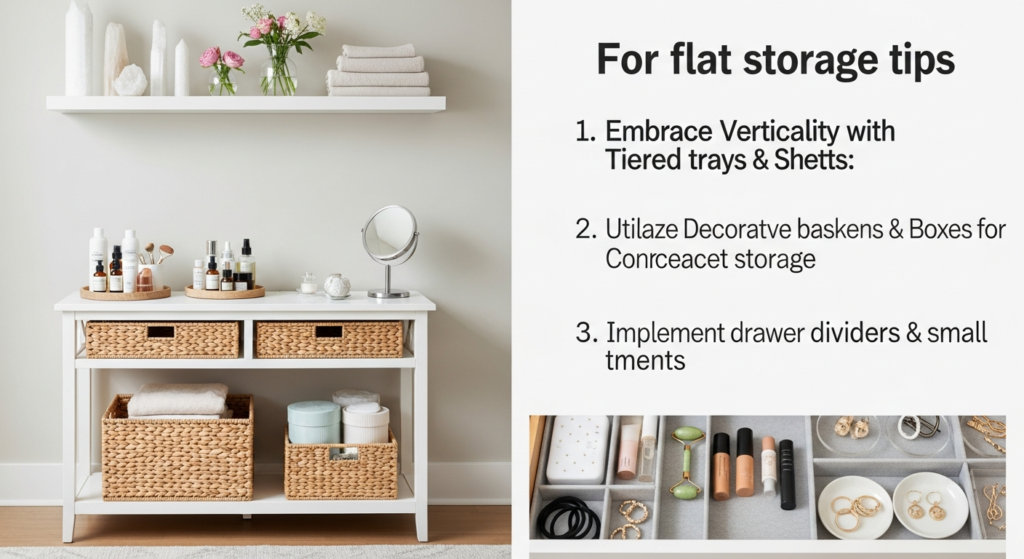
  • Focus on Vertical Storage: Utilize shelves, wall-mounted organizers, and drawer dividers to maximize space and keep surfaces clear.
  • Digitize Where Possible: Reduce paper clutter by scanning important documents and storing them digitally. Unsubscribe from physical junk mail.
  • Designate “Landing Zones”: Create specific, contained areas near entryways for keys, mail, and bags to prevent these items from migrating throughout your home.

Remember, the goal isn’t minimalism if that’s not your style, but rather intentionality. Keep what serves you, brings you joy, and genuinely enhances your life, and respectfully let go of the rest. This process not only clears your physical space but also frees up significant mental and emotional energy, laying the foundation for true peace.

2. Engage Your Senses for Serenity

Our homes are experienced through all five senses, and intentionally curating these sensory inputs can profoundly influence our mood, energy levels, and overall sense of peace. Think about walking into a spa or a serene hotel lobby—they are designed to evoke tranquility through a careful orchestration of sight, sound, smell, and touch. We can apply the same principles to our own living spaces, transforming them into personal havens.

The Power of Sensory Design for Well-being:

  • Visual Harmony (Sight): Our eyes constantly scan our environment. Calming colors, natural light, and intentional decor choices can reduce visual noise and promote relaxation.
  • Auditory Comfort (Sound): The sounds we hear directly impact our nervous system. Harsh noises can trigger stress, while soothing sounds can promote relaxation and focus.
  • Olfactory Pleasure (Smell): Scents have a direct pathway to our limbic system, the brain’s emotional center. Certain aromas can reduce anxiety, improve sleep, and uplift mood.
  • Tactile Comfort (Touch): The textures we interact with daily—from furniture to blankets—influence our physical comfort and sense of security.

Actionable Steps to Engage Your Senses:

  • Curate Your Visual Landscape:
    • Natural Light: Maximize natural light by keeping windows unobstructed. Natural light regulates our circadian rhythm, boosting mood and energy during the day and promoting better sleep at night.
    • Warm Lighting: Supplement natural light with warm-toned artificial lighting (2700K-3000K color temperature). Use dimmer switches, lamps, and indirect lighting to create soft, inviting glows in the evenings, signaling to your body it’s time to wind down.
    • Calming Color Palettes: Opt for soft, neutral colors (creams, grays, whites) or muted natural tones (pale blues, greens, earthy browns) for walls and large furniture pieces. These colors are known to have a calming effect on the psyche.
    • Bring in Greenery: Incorporate houseplants. Beyond their aesthetic appeal, plants improve air quality and have been shown to reduce stress and boost mood.
    • Mindful Decor: Choose decor items that evoke positive feelings or memories, or objects with natural textures and simple forms. Avoid excessive ornamentation that can feel visually overwhelming.
  • Harmonize Your Auditory Environment:
    • Reduce Noise Pollution: Identify sources of unwanted noise (traffic, loud neighbors) and explore solutions like heavy curtains, sound-absorbing panels, or weatherstripping.
    • Introduce Calming Sounds: Use a white noise machine, a gentle fan, or play nature sounds (ocean waves, soft rain, forest ambiance) to mask disruptive noises and create a serene soundscape.
    • Mindful Music: Curate playlists of instrumental, classical, ambient, or lo-fi music that promote relaxation and focus, avoiding overly stimulating tunes when seeking peace.
  • Infuse Soothing Scents:
    • Essential Oil Diffusers: Use essential oils like lavender (for relaxation and sleep), frankincense (for grounding), bergamot (for mood uplift), or cedarwood (for calm). Ensure good ventilation and use high-quality oils.
    • Natural Air Fresheners: Simmer citrus peels, cinnamon sticks, or rosemary on the stove for a natural, inviting aroma.
    • Avoid Artificial Fragrances: Many synthetic air fresheners and candles contain chemicals that can be irritating or harmful. Opt for natural alternatives.
  • Prioritize Tactile Comfort:
    • Soft Textiles: Drape plush throws, use soft cushions, and choose comfortable bedding made from natural fibers like cotton or linen.
    • Natural Materials: Incorporate elements like wood, stone, and wool into your decor. Their natural textures add warmth and grounding.
    • Barefoot Bliss: Consider soft rugs or carpets in areas where you walk barefoot, enhancing a sense of comfort and connection to your home.

By consciously engaging each of your senses, you can create an immersive environment that consistently supports relaxation, reduces stress, and invites a deeper sense of peace into your daily life.

3. Cultivate Mindful Routines and Rituals

🌿 Health Tip

In a world that often feels chaotic, routines and rituals provide a stabilizing anchor. They introduce predictability, reduce decision fatigue, and create dedicated pockets of time for self-care and connection. Psychologists often speak to the power of habit in reducing cognitive load and fostering a sense of control and security. When our home environment is supported by thoughtful routines, it becomes a more peaceful and predictable space, not just physically but energetically.

The Psychological Benefits of Routines:

  • Reduced Stress and Anxiety: Knowing what to expect minimizes uncertainty, a major trigger for stress.
  • Increased Efficiency: Automated tasks free up mental energy for more important decisions and creative pursuits.
  • Enhanced Well-being: Routines can intentionally incorporate practices that support mental and physical health, like mindfulness or exercise.
  • Sense of Control: Establishing routines gives us a sense of agency over our time and environment.

Actionable Steps to Cultivate Mindful Routines:

  • Design a Calming Morning Ritual: Instead of immediately grabbing your phone, create a peaceful start to your day. This might involve:
    • Hydrating with a glass of water.
    • 5-10 minutes of meditation or deep breathing.
    • Journaling or setting intentions for the day.
    • Enjoying a quiet cup of tea or coffee.
    • Light stretching or gentle movement.

    The key is to create a buffer zone between sleep and the demands of the day, allowing you to ease into productivity rather than being jolted into it.

  • Establish a Sacred Evening Wind-Down: Signal to your body and mind that it’s time to transition from activity to rest.
    • Digital Sunset: Turn off screens (TV, phone, tablet) at least an hour before bed. The blue light emitted by devices interferes with melatonin production.
    • Warm Bath or Shower: A warm soak can relax muscles and prepare your body for sleep.
    • Reading: Opt for a physical book or magazine.
    • Gentle Stretches or Yoga Nidra: Release physical tension.
    • Simple Tidy-Up: A quick 10-minute tidy before bed ensures you wake up to a calmer environment, reducing morning stress.
  • Mindful Mealtime Rituals: Transform eating from a rushed necessity into a moment of nourishment and connection.
    • Device-Free Dining: Encourage family members to put away phones and turn off the TV during meals.
    • Set the Table: Even for a simple meal, using placemats, cloth napkins, or candles can elevate the experience.
    • Practice Gratitude: Take a moment to acknowledge the food and the company.
    • Eat Slowly: Savor each bite, paying attention to flavors and textures.
  • Create a “Power Down” Protocol: At the end of your workday (if working from home) or upon returning home, establish a ritual to transition out of “work mode.” This could be a short walk, a change of clothes, or a few minutes of quiet reflection.
  • Schedule “Stillness” or “Play” Time: Intentionally block out time in your week for activities that bring you joy and calm, whether it’s reading, a hobby, listening to music, or simply sitting in quiet reflection. Treat these as non-negotiable appointments.

Routines don’t have to be rigid; they are flexible frameworks that support your well-being. By imbuing daily actions with intention and mindfulness, you transform mundane tasks into opportunities for peace and self-care, making your home a more predictable and therefore more peaceful space.

4. Nourish Emotional Well-being Within Your Walls

A truly peaceful home isn’t just about physical order and sensory comfort; it’s profoundly shaped by the emotional atmosphere within its walls. Our homes are stages for our most intimate relationships, a crucible for personal growth, and a mirror reflecting our inner state. Creating an emotionally supportive home environment means fostering open communication, practicing empathy, and intentionally cultivating positive interactions and self-care practices. This is where the “evidence-based” aspect of creating peace truly resonates, as emotional well-being is directly tied to mental and physical health.

The Impact of Emotional Climate on Health:

  • Stress Response: Chronic emotional tension at home can trigger a continuous stress response, elevating cortisol and impacting cardiovascular health, immune function, and sleep.
  • Mental Health: A supportive, nurturing home environment is a protective factor against depression, anxiety, and feelings of isolation.
  • Relationship Quality: Open communication and mutual respect foster stronger, more resilient relationships, reducing conflict and increasing happiness.
  • Personal Growth: A safe emotional space allows for vulnerability, self-expression, and the courage to pursue personal goals.

Actionable Steps to Nurture Emotional Well-being:

  • Practice Mindful Communication:
    • Active Listening: When loved ones speak, put down your phone, make eye contact, and truly listen without interrupting or formulating your response. Validate their feelings.
    • “I” Statements: Frame concerns using “I feel…” rather than accusatory “You always…” statements. This reduces defensiveness and opens the door for constructive dialogue.
    • Scheduled Check-ins: For couples or families, consider regular, brief check-ins to discuss needs, schedules, and any simmering issues before they escalate.
  • Create a “Safe Space” for Expression:
    • Validate Emotions: Make it clear that all emotions are welcome and valid. Instead of dismissing sadness or anger, acknowledge it (“I hear you’re feeling frustrated”).
    • Conflict Resolution Strategies: Agree on ground rules for disagreements (e.g., no yelling, no personal attacks, take a break if needed). Focus on solving the problem, not “winning.”
    • Encourage Vulnerability: Foster an environment where it’s safe to share fears, hopes, and struggles without judgment.
  • Designate a “Self-Care Corner” or Zone:
    • This doesn’t need to be an entire room. It could be a comfortable chair with a cozy blanket, a small table for journaling, or a shelf with your favorite books and a diffuser.
    • The key is to have a dedicated spot where you can retreat for quiet reflection, reading, meditation, or simply to be alone with your thoughts.
    • Communicate to family members that this zone is for personal rejuvenation and to respect the space when it’s being used.
  • Celebrate Joy and Connection:
    • Rituals of Appreciation: Regularly express gratitude for your loved ones and for the positive aspects of your home.
    • Shared Experiences: Prioritize activities that bring joy and connection—cooking together, playing board games, movie nights, or simply sharing stories.
    • Personalized Touches: Display photos of cherished memories, artwork that inspires you, or items from meaningful travels. These visual cues serve as reminders of love and happiness.
  • Set Healthy Boundaries:
    • With External Demands: Learn to say no to commitments that overextend you. Protect your home as a place of rest, not just another venue for obligations.
    • With Visitors: While hospitality is wonderful, ensure visitors respect your home’s peaceful atmosphere. Communicate expectations if needed (e.g., quiet hours, shoe-free zones).

A peaceful home is not merely a quiet home; it is a home where hearts are heard, emotions are honored, and relationships are nurtured with care and intention. By focusing on the emotional climate, you build a resilient foundation for enduring peace and well-being for everyone who resides within its walls.

5. Embrace Nature’s Calming Presence

💜 Wellness Insight

Our innate connection to nature, known as biophilia, suggests that humans have an inherent tendency to connect with natural systems and processes. This connection is not just poetic; it’s deeply rooted in our biology and has profound effects on our psychological and physiological well-being. Studies have shown that exposure to nature, even in subtle forms, can reduce stress, improve mood, enhance cognitive function, and even accelerate healing. Bringing elements of the natural world into our homes is a powerful yet simple way to cultivate a sense of calm and peace.

The Biophilic Benefits for Your Home:

  • Stress Reduction: Glimpses of nature or natural elements can lower cortisol levels and heart rate.
  • Improved Mood and Focus: Natural light and green spaces are linked to reduced symptoms of depression and increased concentration.
  • Enhanced Air Quality: Certain plants naturally purify indoor air, removing toxins and increasing oxygen.
  • Sense of Grounding: Natural materials and organic forms provide a sense of stability and connection to the earth.

Actionable Steps to Embrace Nature’s Calming Presence:

  • Invite Greenery with Houseplants:
    • Choose Low-Maintenance Plants: Start with easy-to-care-for varieties like snake plants, ZZ plants, Pothos, or peace lilies. These are known for their air-purifying qualities and resilience.
    • Strategic Placement: Place plants where they are visually accessible and can thrive with adequate light. Consider groupings for a lush effect.
    • Caring Ritual: The act of watering and tending to plants can be a meditative, grounding ritual in itself.
  • Maximize Natural Light:
    • Unobstructed Windows: Keep curtains and blinds open during the day. Consider sheer curtains for privacy without blocking light.
    • Reflective Surfaces: Use mirrors strategically to bounce natural light deeper into rooms.
    • Light-Colored Interiors: Light walls and furniture help to reflect natural light, making rooms feel brighter and more open.
  • Incorporate Natural Materials and Textures:
    • Wood: Furniture, flooring, or decorative accents made of natural wood add warmth and an organic feel.
    • Stone: Small stone elements, like pebbles in a clear vase or a stone coaster, introduce grounding earthiness.
    • Natural Fibers: Choose linens, cotton, wool, jute, or rattan for textiles, rugs, and baskets. Their tactile qualities are comforting and visually appealing.
  • Bring in Elements from the Outdoors:
    • Fresh Flowers or Branches: A simple vase of seasonal flowers or even a few branches from your yard can instantly brighten a space and bring a touch of the ephemeral beauty of nature indoors.
    • Natural Collections: Display interesting rocks, seashells, or pinecones collected from nature walks. These personal treasures can evoke peaceful memories.
  • Create a View of Nature (If Possible):
    • Window Seating: If you have a window with a pleasant view, create a comfortable spot to sit and enjoy it.
    • Outdoor Spaces: Even a small balcony or patio can be transformed into a mini-oasis with plants, comfortable seating, and soft lighting. Regularly spending time in these spaces reconnects you with the outdoors.
    • Nature-Inspired Art: If a real view isn’t available, consider artwork featuring landscapes, seascapes, or botanical prints to evoke the same calming effect.

By consciously weaving natural elements throughout your home, you create a deeper connection to the earth and leverage nature’s inherent ability to soothe our nervous systems, fostering a profound and lasting sense of peace.

6. Guard Your Digital and Energetic Boundaries

In our hyper-connected world, creating a peaceful home environment also means actively managing the influx of digital noise and external energies that can disrupt our inner calm. Our devices, while offering immense convenience, are also gateways to constant information, demands, and comparisons that can erode our peace. Similarly, allowing external stressors or negative energies to permeate our personal sanctuary can undermine all other efforts to cultivate tranquility. Establishing clear boundaries is an act of self-preservation and a vital component of a truly peaceful home.

The Impact of Digital Overload and Energetic Clutter:

  • Cognitive Overload: Constant notifications, endless scrolling, and multitasking across devices deplete mental resources and make genuine relaxation difficult.
  • Sleep Disruption: Blue light from screens suppresses melatonin, and the stimulating content keeps our minds active, hindering restful sleep.
  • Comparison and FOMO: Social media often fosters feelings of inadequacy or anxiety, as we compare our lives to curated online versions.
  • Emotional Contagion: Exposure to negativity from news or social media can inadvertently transfer stress and anxiety into our personal space.
  • Lack of Presence: When constantly plugged in, we miss out on opportunities for genuine connection with loved ones and mindful engagement with our physical surroundings.

Actionable Steps to Guard Your Boundaries:

  • Implement “Digital Detox” Zones and Times:
    • Screen-Free Bedrooms: Make your bedroom a sacred space for rest and intimacy, free from TVs, phones, and tablets. Charge devices outside the bedroom.
    • Device “Parking Lot”: Create a central charging station in a common area, away from personal spaces, where devices are left during specific hours (e.g., during meals, an hour before bed).
    • Scheduled Digital Breaks: Designate specific times each day or week for a complete digital unplug. Use this time for hobbies, nature walks, or quality time with family.

  • Curate Your Digital Consumption:
    • Mindful News Intake: Limit exposure to news cycles, especially before bed or first thing in the morning. Choose reputable sources and specific times to check in.
    • Social Media Audit: Unfollow accounts that make you feel inadequate, anxious, or angry. Prioritize content that inspires, informs, or uplifts you.
    • Notification Management: Turn off non-essential notifications on your phone and computer to reduce constant interruptions.
  • Establish Energetic Boundaries for Your Home:
    • “Transition Rituals” for Entering Home: Just as you power down digitally, create a ritual to shed external energies when you enter your home. This could be changing into comfortable clothes, washing your hands, or taking a few deep breaths at the doorway to consciously leave outside worries behind.
    • Protect Your Space from External Influences: Be mindful of who you invite into your home and the energies they bring. If certain interactions consistently leave you feeling drained, consider adjusting those dynamics.
    • Clear Lingering Energy: Some people find practices like burning sage or palo santo, diffusing essential oils, or opening windows to air out a space helps to refresh the energy after challenging conversations or events.
    • Define Personal Space: Ensure every member of the household, if applicable, has a designated personal space, no matter how small, where they can retreat and feel undisturbed. This fosters a sense of respect and individual peace.
  • Practice Mindful Presence:
    • Engage Your Senses: Regularly take moments to truly see, hear, smell, and feel your home. Notice the light, the warmth, the textures. This grounds you in the present and disconnects you from digital distractions.
    • Be Present with Loved Ones: When interacting with family members, give them your full, undivided attention. This strengthens bonds and creates a more harmonious energetic flow within the home.

Guarding your digital and energetic boundaries is not about isolation; it’s about intentional protection. By consciously managing what you allow into your home environment, both physically and energetically, you safeguard your peace and cultivate a space that truly serves as a sanctuary for your well-being.

Conclusion: Your Home, Your Sanctuary

Creating a peaceful home environment is more than just an aesthetic endeavor; it is a fundamental act of self-care and a powerful investment in your overall health and well-being. As we’ve explored through evidence-based insights, every element—from the absence of clutter to the presence of calming scents, from intentional routines to supportive emotional dynamics, and from natural elements to digital boundaries—contributes to the holistic sense of peace that permeates your living space. This journey is not about achieving perfection, but about cultivating intention and mindfulness in how you interact with and shape your surroundings. It’s about recognizing that your home is an extension of yourself, a sacred container that reflects and influences your inner world. By consciously applying these strategies, you empower yourself to design a personal sanctuary where you can truly thrive—a place where you feel safe, loved, rejuvenated, and deeply at peace. Embrace the process, be patient with yourself, and enjoy the profound transformation that awaits as you cultivate your calm, one thoughtful step at a time.

“`json
{
“@context”: “https://schema.org”,
“@graph”: [
{
“@type”: “Article”,
“mainEntityOfPage”: {
“@type”: “WebPage”,
“@id”: “https://veralynmedia.com/how-to-create-peaceful-home-environment”
},
“headline”: “Cultivating Your Calm: A Veralyn Media Guide to Creating a Peaceful Home Environment”,
“image”: [
“https://veralynmedia.com/images/peaceful-home-hero.jpg”,
“https://veralynmedia.com/images/peaceful-home-declutter.jpg”,
“https://veralynmedia.com/images/peaceful-home-nature.jpg”
],
“datePublished”: “2024-05