Reclaim Your Radiance: A Woman’s Comprehensive Guide to Unlocking Lasting Energy
Understanding the Energy Drain: Why Women Feel Tired
Before we dive into solutions, let’s acknowledge a fundamental truth: women often face a unique constellation of factors that can contribute to chronic fatigue. It’s not just in your head; there are biological, societal, and psychological reasons why you might feel more drained than your male counterparts or even past versions of yourself.
- Hormonal Fluctuations: From the monthly dance of the menstrual cycle to the profound shifts of pregnancy, perimenopause, and menopause, women’s bodies are in a constant state of hormonal flux. These powerful chemical messengers directly impact energy production, mood, sleep, and metabolism. For instance, low iron due to heavy periods is a common culprit for fatigue, as is the disruptive sleep often associated with perimenopause due to fluctuating estrogen levels.
- The Mental Load: Often invisible but incredibly heavy, the “mental load” refers to the constant planning, organizing, and remembering required to manage a household, family, and social life – responsibilities that disproportionately fall on women. This relentless cognitive burden can be just as draining as physical exertion, leading to decision fatigue and emotional burnout.
- Societal Pressures and Caregiving Roles: Women are frequently expected to be caregivers, nurturers, and multi-taskers, often putting the needs of others before their own. This self-sacrifice, while often born of love, can lead to a depletion of personal resources, leaving little left for self-care and replenishment.
- Nutritional Deficiencies: Busy schedules can lead to skipping meals or relying on processed foods, which lack the essential vitamins and minerals needed for sustained energy. Common deficiencies like iron, Vitamin D, Vitamin B12, and magnesium are frequently linked to fatigue in women.
- Stress and Burnout: Chronic stress, whether from work, relationships, or financial pressures, keeps the body in a constant state of “fight or flight.” This sustained sympathetic nervous system activation diverts energy away from restorative processes, leading to exhaustion, poor sleep, and a weakened immune system.
Recognizing these underlying factors is the first step towards compassionately addressing your energy levels. You’re not “failing” if you feel tired; you’re likely navigating a complex interplay of demands on your precious energy reserves. Let’s explore how to replenish them.
Fueling Your Body for Sustained Energy: The Power of Nutrition
What you eat is the literal fuel for your body and mind. Just as a car can’t run efficiently on the wrong type of fuel, your body needs specific nutrients to produce consistent, lasting energy. Shifting your focus from restrictive diets to nourishing your body can be transformative for your vitality.
Prioritize Whole, Unprocessed Foods:
The foundation of an energy-boosting diet lies in whole foods. Think vibrant fruits and vegetables, lean proteins, healthy fats, and complex carbohydrates. These foods provide a steady release of glucose, essential vitamins, minerals, and fiber, preventing the energy crashes associated with sugary, refined foods.
- Complex Carbohydrates: Far from being the enemy, complex carbs like whole grains (oats, quinoa, brown rice), sweet potatoes, and legumes are your body’s preferred source of energy. They provide a slow, sustained release of glucose into the bloodstream, keeping your energy stable throughout the day.
- Quality Proteins: Incorporate lean proteins like chicken, fish, eggs, tofu, lentils, and beans into every meal. Protein helps stabilize blood sugar, promotes satiety, and provides amino acids essential for neurotransmitter production, which impacts mood and energy.
- Healthy Fats: Don’t fear fats! Avocados, nuts, seeds, olive oil, and fatty fish (like salmon) are crucial for hormone production, cell function, and nutrient absorption. Omega-3 fatty acids, in particular, are known for their anti-inflammatory properties and brain health benefits, both contributing to better energy.
- Abundant Fruits and Vegetables: These are packed with vitamins, minerals, antioxidants, and fiber. Aim for a rainbow of colors to ensure a broad spectrum of nutrients. Dark leafy greens, berries, and citrus fruits are particularly potent energy boosters.
Key Micronutrients for Energy:
- Iron: Essential for transporting oxygen throughout the body. Low iron (anemia) is a common cause of fatigue in women, especially those with heavy periods. Rich sources include red meat, spinach, lentils, and fortified cereals. Pair iron-rich foods with Vitamin C (e.g., bell peppers, oranges) to enhance absorption.
- B Vitamins: A family of vitamins crucial for converting food into energy. Found in whole grains, eggs, lean meats, and leafy greens. B12, often deficient in vegetarians and vegans, is particularly important for nerve function and energy.
- Vitamin D: Beyond bone health, Vitamin D plays a role in mood and energy levels. Many women are deficient. Sources include fatty fish, fortified dairy, and safe sun exposure.
- Magnesium: Involved in over 300 biochemical reactions in the body, including energy production and muscle relaxation. Found in nuts, seeds, leafy greens, and dark chocolate.
Hydration is Non-Negotiable:
Harnessing the Power of Movement: Exercise for Vitality
It might seem counterintuitive to exert energy when you feel tired, but regular physical activity is one of the most powerful tools for boosting energy levels. Exercise doesn’t just burn calories; it ignites your body’s internal power generators, improves mood, and enhances sleep quality.
The Science Behind Exercise and Energy:
- Improved Cardiovascular Health: Regular aerobic exercise strengthens your heart and lungs, making them more efficient at delivering oxygen and nutrients to your tissues, which directly translates to more energy.
- Enhanced Mitochondrial Function: Mitochondria are the “powerhouses” of your cells, responsible for producing ATP, the body’s energy currency. Exercise stimulates the growth of new mitochondria and improves the efficiency of existing ones.
- Hormonal Balance: Physical activity helps regulate hormones, including those related to stress (cortisol) and mood (endorphins, serotonin). Consistent movement can significantly improve mood and reduce feelings of fatigue associated with stress.
- Better Sleep: Moderate exercise, especially earlier in the day, helps regulate your circadian rhythm, leading to deeper, more restorative sleep.
Types of Movement for Women:
- Aerobic Exercise (Cardio): Activities like brisk walking, jogging, cycling, swimming, or dancing for 30 minutes, most days of the week, are excellent for cardiovascular health and sustained energy.
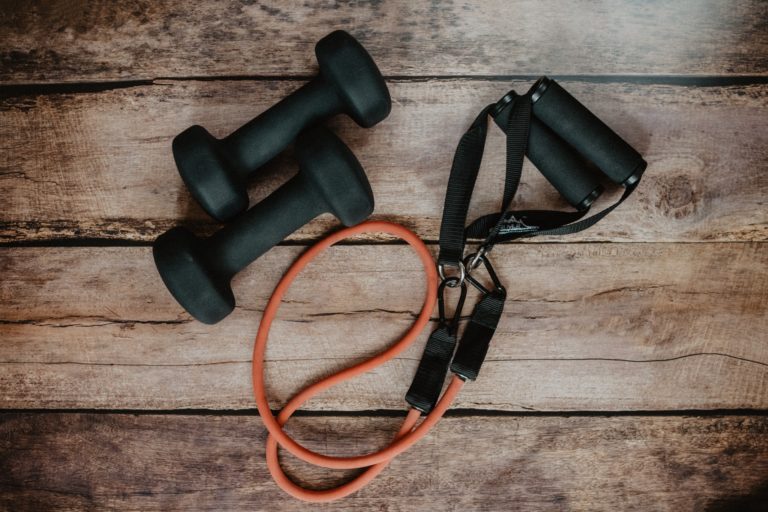
- Strength Training: Lifting weights or using bodyweight exercises (squats, lunges, push-ups) 2-3 times a week builds lean muscle mass. Muscle tissue is more metabolically active than fat, meaning it burns more calories and helps maintain stable blood sugar, which prevents energy dips. Strength training also supports bone health, crucial for women.
- Flexibility and Balance (Yoga, Pilates): These practices improve body awareness, reduce muscle tension, and enhance relaxation, which can significantly reduce fatigue caused by physical and mental stress. Many women find the mindful movement in yoga particularly energizing and grounding.

Actionable Tips for Integrating Movement:
- Start Small, Be Consistent: If you’re new to exercise, begin with short bursts (10-15 minutes) and gradually increase duration and intensity. Consistency is more important than intensity initially.
- Find What You Enjoy: You’re more likely to stick with an activity you genuinely like. Explore different options until you find your fit, whether it’s hiking, dancing, or a team sport.
- Move Throughout the Day: Don’t sit for long periods. Take short walking breaks, stretch, or do some light bodyweight exercises every hour or two.
- Listen to Your Body: Avoid overtraining, which can lead to fatigue. Rest days are crucial for muscle recovery and energy replenishment.
The Art of Rest and Recovery: Beyond Just Sleep
In our go-go-go culture, rest is often seen as a luxury, not a necessity. But for women, who often juggle multiple roles and responsibilities, prioritizing rest and recovery is paramount for sustaining energy. This isn’t just about getting enough sleep; it’s about intentionally carving out time for true mental, emotional, and physical replenishment.
Optimize Your Sleep Environment and Habits:
- Stick to a Schedule: Go to bed and wake up at roughly the same time every day, even on weekends, to regulate your circadian rhythm.
- Create a Relaxing Bedtime Routine: Wind down with activities like a warm bath, reading a book, gentle stretching, or listening to calming music. Avoid screens (phones, tablets, TV) for at least an hour before bed.
- Optimize Your Sleep Sanctuary: Ensure your bedroom is dark, quiet, and cool. Blackout curtains, earplugs, or a white noise machine can be helpful.
- Watch What You Consume: Limit caffeine and alcohol, especially in the afternoon and evening. While alcohol might make you feel sleepy, it disrupts sleep quality.
Integrate Restorative Practices:
True recovery involves more than just sleep. It’s about actively reducing stress and allowing your nervous system to downregulate.
- Mindfulness and Meditation: Even 5-10 minutes of daily mindfulness can significantly reduce stress, improve focus, and enhance your sense of calm. Apps like Calm or Headspace offer guided meditations.
- Deep Breathing Exercises: Simple diaphragmatic breathing can activate your parasympathetic nervous system, promoting relaxation and conserving energy.
- Napping (Wisely): If you need a power boost, a short nap (20-30 minutes) can be incredibly rejuvenating. Avoid long naps, which can make you feel groggy or interfere with nighttime sleep.
- Spend Time in Nature: Research consistently shows that spending time outdoors, known as “forest bathing” or nature therapy, can lower stress hormones, improve mood, and boost energy.
- Hobbies and Creative Outlets: Engage in activities purely for pleasure – painting, gardening, journaling, playing music. These activities provide mental breaks and a sense of flow, which is deeply restorative.
Remember, rest is productive. It allows your body to repair, your mind to process, and your spirit to recharge. Make it a non-negotiable part of your daily life.
Navigating Hormonal Shifts: Energy Through Every Life Stage
Women’s bodies are exquisitely sensitive to hormonal fluctuations, which profoundly impact energy levels. Understanding these shifts and how to support your body through them is key to maintaining vitality at every stage of life.

The Menstrual Cycle:
From menarche to menopause, the ebb and flow of estrogen and progesterone dictate much of a woman’s physiological experience.
- Follicular Phase (Days 1-14, roughly): Estrogen levels rise, often bringing increased energy, focus, and mood. This is a great time for more intense workouts and tackling demanding tasks.
- Luteal Phase (Days 15-28, roughly): Progesterone levels rise, which can have a calming, sometimes sedating, effect. Many women experience a dip in energy, increased fatigue, and PMS symptoms. This is a time to prioritize rest, gentle movement, and nutrient-dense foods. Ensure adequate magnesium and B vitamins to help with PMS symptoms.
- Heavy Periods and Iron: Excessive blood loss can lead to iron deficiency anemia, a significant cause of fatigue. If you experience heavy periods, consult your doctor about iron screening and supplementation.
Pregnancy and Postpartum:
The energy demands of growing a human and then caring for a newborn are immense.
- First Trimester: Hormonal surges, especially progesterone, can cause extreme fatigue. Rest as much as possible, prioritize nutrient-dense foods, and stay hydrated.
- Third Trimester: The physical burden of a growing baby and disrupted sleep can lead to exhaustion. Continue to prioritize rest, gentle movement, and iron-rich foods.
- Postpartum: Sleep deprivation, hormonal shifts, and the physical demands of recovery and newborn care are a perfect storm for fatigue. Ask for help, prioritize sleep whenever possible (nap when the baby naps!), and continue to nourish your body with whole foods. Postpartum thyroiditis can also cause extreme fatigue, so report persistent exhaustion to your doctor.
Perimenopause and Menopause:
The transition to menopause, and menopause itself, brings significant hormonal changes that can manifest as profound fatigue.
- Hot Flashes and Night Sweats: These can severely disrupt sleep, leading to daytime exhaustion. Lifestyle interventions (cool room, layers, avoiding triggers like spicy food, alcohol, caffeine) and sometimes hormone therapy can help.
- Hormonal Imbalance: Fluctuating estrogen can impact energy, mood, and cognitive function. Maintaining a balanced diet, regular exercise, and stress management are crucial.
- Thyroid Health: Women are more prone to thyroid disorders, which can cause extreme fatigue. Perimenopause is a common time for thyroid issues to emerge or worsen. If you suspect a thyroid problem, get tested.
Actionable Tips for Hormonal Support:
- Balance Your Blood Sugar: Eating balanced meals with protein, healthy fats, and fiber helps stabilize blood sugar, which supports hormonal balance throughout the cycle and beyond.
- Prioritize Sleep: Hormonal shifts often disrupt sleep. Doubling down on sleep hygiene is critical.
- Manage Stress: Chronic stress can wreak havoc on your adrenal glands and sex hormones. Stress reduction techniques are not optional; they are essential for hormonal health.
- Consult Your Healthcare Provider: If fatigue is severe or persistent, or if you suspect hormonal imbalances or deficiencies, speak to a doctor or women’s health specialist. They can offer blood tests, discuss hormone replacement therapy (HRT) options, or address underlying conditions.
Mindset and Lifestyle: Cultivating Lasting Energy
While nutrition, movement, and sleep are foundational, your mindset and lifestyle choices profoundly impact your energy reservoirs. Cultivating lasting energy requires a holistic approach that nurtures your mental and emotional well-being as much as your physical health.
Set Boundaries and Say “No”:
Women often feel compelled to say “yes” to every request, leading to overcommitment and burnout. Learning to set healthy boundaries – with work, family, and friends – is not selfish; it’s self-preservation. Saying “no” to things that drain you frees up energy for what truly matters and recharges you.
- Practice Assertiveness: Clearly communicate your limits and needs. You don’t need to over-explain or apologize.
- Prioritize Your Time: Use a planner or calendar to schedule not just appointments, but also dedicated time for self-care, rest, and personal projects.
Manage Your Mental Load:
As discussed earlier, the invisible mental load can be incredibly draining.
- Delegate and Share: Look for opportunities to delegate tasks at home or work. Involve family members in household responsibilities.
- Externalize Your Thoughts: Write down to-do lists, use shared calendars, or create systems to get things out of your head. This frees up mental energy.
- Practice Mindful Breaks: Step away from the constant planning and problem-solving. Engage in activities that allow your mind to wander or simply be present.
Cultivate Joy and Connection:
Joy, laughter, and meaningful social connections are powerful energy boosters. They reduce stress hormones and release feel-good chemicals like oxytocin and endorphins.
- Nurture Relationships: Spend time with people who uplift you and make you feel good.
- Engage in Hobbies: Rediscover passions that bring you joy, whether it’s reading, gardening, crafting, or playing music.
- Practice Gratitude: Regularly reflecting on things you’re grateful for can shift your perspective, reduce stress, and cultivate a more positive outlook, which translates to more energy.
Limit Energy Vampires:
Identify what or who drains your energy and find ways to minimize their impact. This could be toxic relationships, excessive screen time, negative self-talk, or environments that don’t support your well-being.
- Digital Detox: Regularly step away from social media and news cycles that can be overwhelming and draining.
- Positive Self-Talk: Challenge negative thought patterns. Replace self-criticism with self-compassion.
By consciously making choices that align with your energy needs and values, you build resilience and create a sustainable foundation for a vibrant, energetic life.
Frequently Asked Questions
How long does it take to see improvements in my energy levels?▾
Are energy drinks a good solution for low energy?▾
When should I see a doctor about my fatigue?▾
Can stress really impact my energy that much?▾
What’s the single most important thing I can do to boost my energy?▾
Conclusion: Embrace Your Energetic Self
Feeling perpetually tired is not an inevitable part of being a woman, nor is it a badge of honor. It’s a signal from your body and mind that something needs attention, a gentle nudge to prioritize your well-being. By understanding the unique challenges women face and adopting a holistic, evidence-based approach to nutrition, movement, rest, hormonal balance, and mindset, you have the power to transform your energy levels and reclaim your radiant vitality.
This journey isn’t about perfection; it’s about progress, self-compassion, and making consistent, loving choices for yourself. Start small, be kind to yourself, and celebrate every step forward. You deserve to wake up feeling refreshed, vibrant, and ready to embrace each day with the energy and enthusiasm that allows you to live your most fulfilling life. At Veralyn Media, we’re here to support you every step of the way as you unlock your lasting energy and shine brightly.